I’ve wanted to visit the New Zealand and Australian Subantarctic Islands since around 2010. At the time, it was well beyond my means. I applied for an Enderby Trust Scholarship once or twice at the time but was unsuccessful. I had kept it on my bucket list ever since, and finally decided to commit around 18 months out. I looked at the three companies that offered itineraries in the region: Heritage Expeditions, Ponant and Aurora Expeditions.
Remote, tightly managed, and surrounded by cold Southern Ocean, places like The Snares, the Auckland Islands, Macquarie Island and Campbell Island and are famous for seabirds, penguins, and dramatic coastal landscapes. They are also difficult and expensive to reach, with strict rules about where you can go and how long you can stay.
Ultimately I settled on the Galapagos of the Southern Ocean: New Zealand and Australia's Subantarctic Islands itinerary with Heritage Expeditions based on my monetary and time budgets. This itinerary skipped the Antipodes, Bounty Islands and Chatham Islands, but at the time another shorter cruise was offered visiting these, and it's possible to fly to the Chatham Islands, so I figured that stuff could wait until a different trip in the future. The Ponant boat had twice as many passengers so I didn't think it'd go so well with the landing person count restrictions and the Aurora boat only did an Antarctic expedition that was substantially more expensive.
As always for me it was a photography trip and I spent a lot of time beforehand trying to do my homework and make decisions before being in the field with time pressure. In some respects this was easier than tropical birding trips - the species list to try and memorise was much shorter and actually not that many distinct locations would be visited on foot. I was also reasonably familiar with the seabirds that would be on offer. Preparation consisted of a island / landing specific notes: likely species, gear choices, a rough shot list, which excursion option I should pick and so on. I didn't have to worry about logistics at all - pretty much I paid my money, hoped for weather which permitted landings and showed up.
Fiordland: Dipping on some dipped targets!
I flew into Queenstown a day early as insurance against missed connections. I did not book my accommodation for the night of the 30th of December until approximately a month before. This was a mistake. The town was packed with young adventure tourism types for new years eve and the only available accommodation was a bunk in a youth hostel for $650 NZD/night.
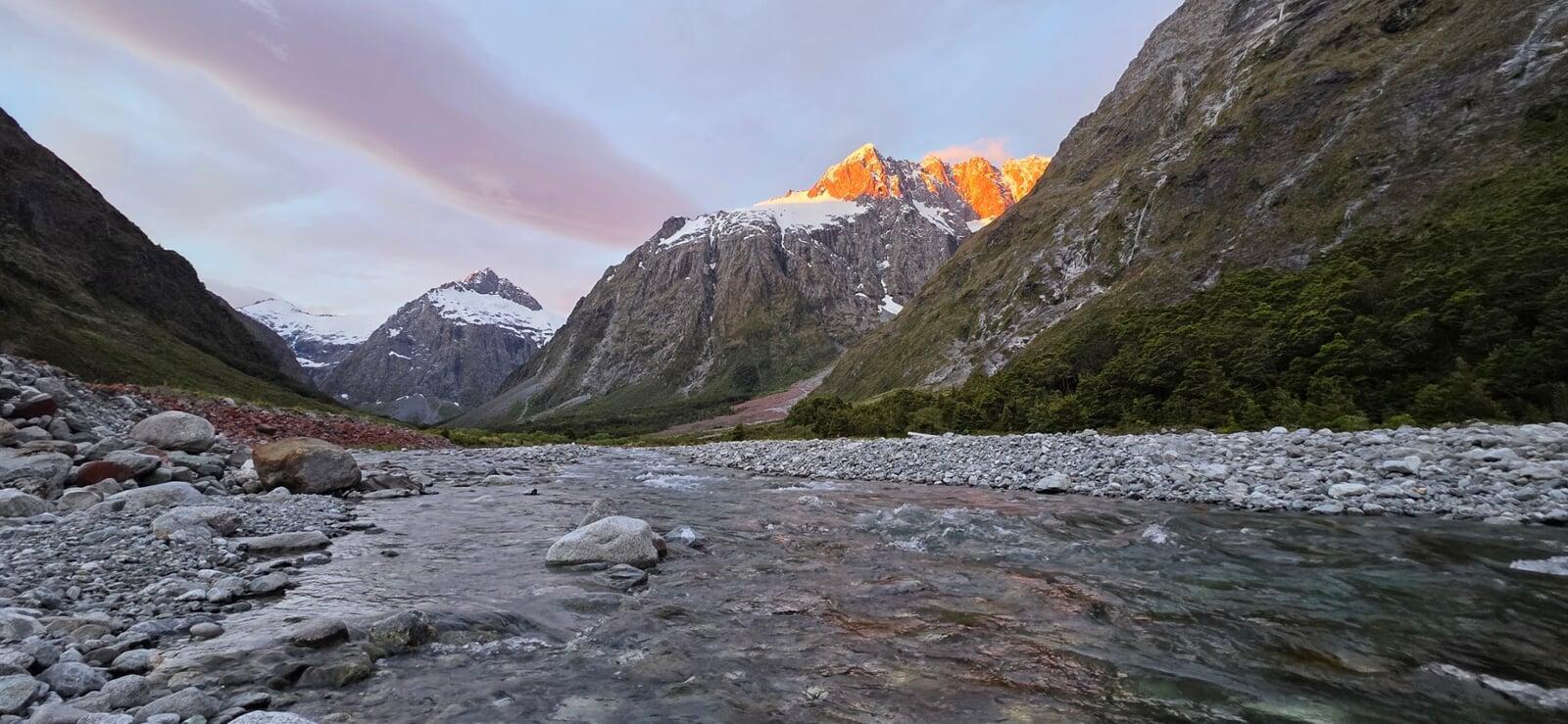
I instead hired a car and opted to head back to Fiordland to try for a few targets that I dipped on photographically on a previous trip. The afternoon of arrival I went to Homer Tunnel and spent several hours looking for Rock Wren, but didn't get any good photos to show for it. In the last hour of daylight I returned to the car and checked many spots along the river for Blue Duck, including near Monkey Creek. Although I found some birds none were photographable. A pair of Paradise Shelduck were actually following my car as I went from spot to spot down the river. I think they were hoping to be fed.
I didn't pack any sleeping bag or sleeping mat. This was deliberate - I didn't have the bag weight or space and I figured one night of discomfort would be fine. I just slept in my thermals and a synthetic jacket. Perhaps unsurprisingly I woke at 2am feeling cold, and after caffeination in the form of a no-doz tablet, I decided to spend more time looking for Kiwis. This time I drove to the trailhead of the Kepler track and started walking in the dark, listening, and looking with my thermal. There were many deer and quite a few Brush-tailed Possum. I could also hear Morepork. A sign early on in the track mentioning Kiwis also gave me some hope.
At maybe 4:30am I decided to turn around and start returning to the car, walking more briskly than the walk in - I wanted to have another go for Rock Wren. It was at this stage that I spotted a Kiwi on the track, but it quickly moved into vegetation and became hard to see. I observed it for a bit with some red light and the thermal and then eventually lost it in the ferns. A little disappointed I returned to the car, slightly bewildered by the number of introduced blackbirds and song thrush and headed back to the Homer Tunnel site where I searched again unsuccessfully for the Rock Wren until the light was bad.
After the light turned I returned to Queenstown. The traffic was terrible and I spent quite a bit of time bumper to bumper. I checked in to the hotel and with the cruise company and sourced a beanie and garbage bags - two items I had left at home. The next 24 hours was boring. We didn't leave on tour buses to Bluff until the afternoon and had several meals at the hotel. I think probably the cruise company did this to build in a buffer for delayed flights etc, and probably because 12 days looks like better value than 10 on an itinerary.
At Sea: Settling Into the Southern Ocean
At Sea: Settling Into the Southern Ocean
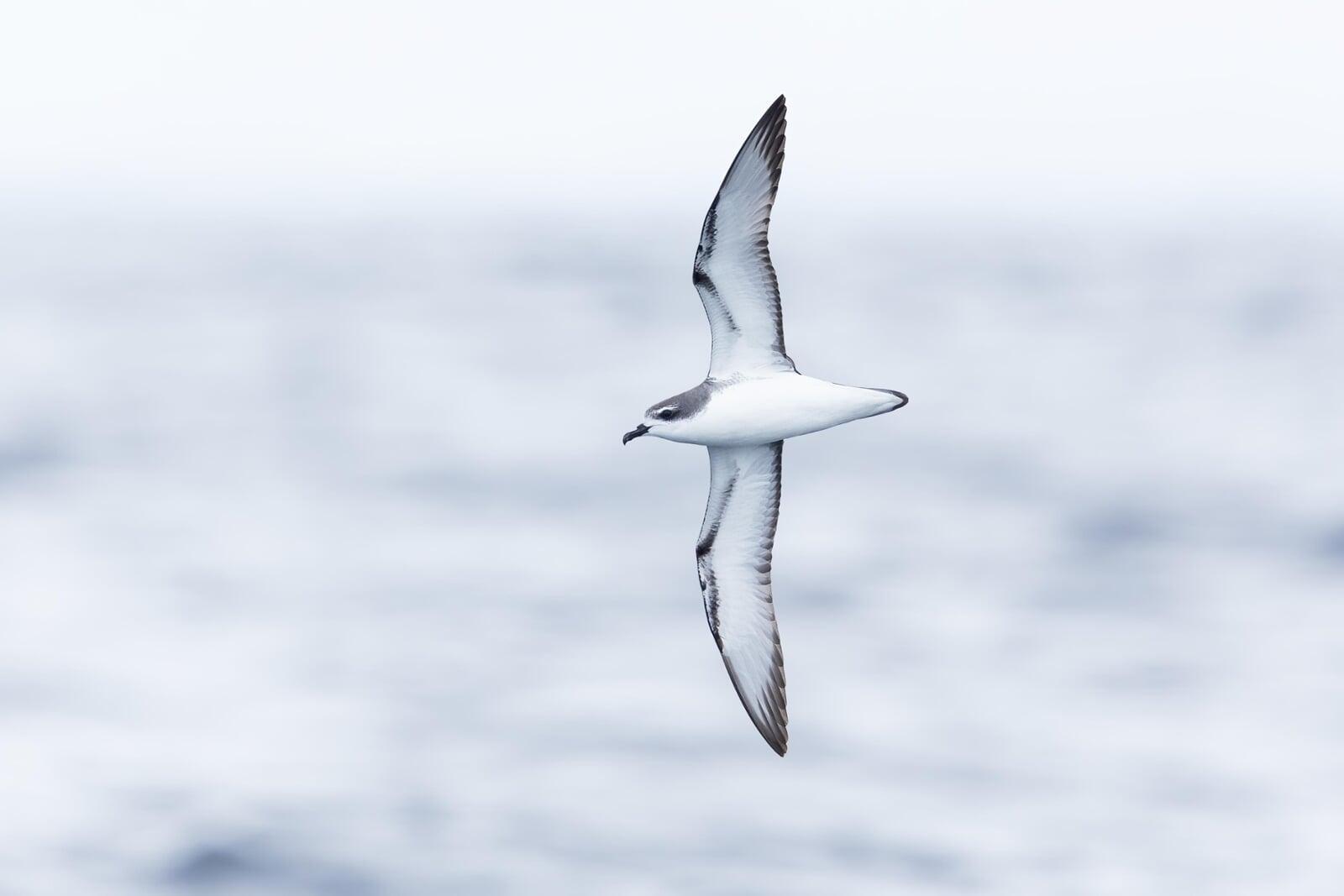
After boarding the boat we were kept a little busy with customs and briefings and the like, but I used the time in the afternoon and evening to sit at the back of the boat and look for seabirds. As we approached Stewart Island the highlight was many Cook's Petrels and a few Mottled Petrels, plus Fairy Prions and albatrosses. I mostly used a 400 mm f/2.8 on deck, waiting for birds to come close. The light was very flat and overcast and I didn't end up with any of my favourite pictures that afternoon.
The Snares
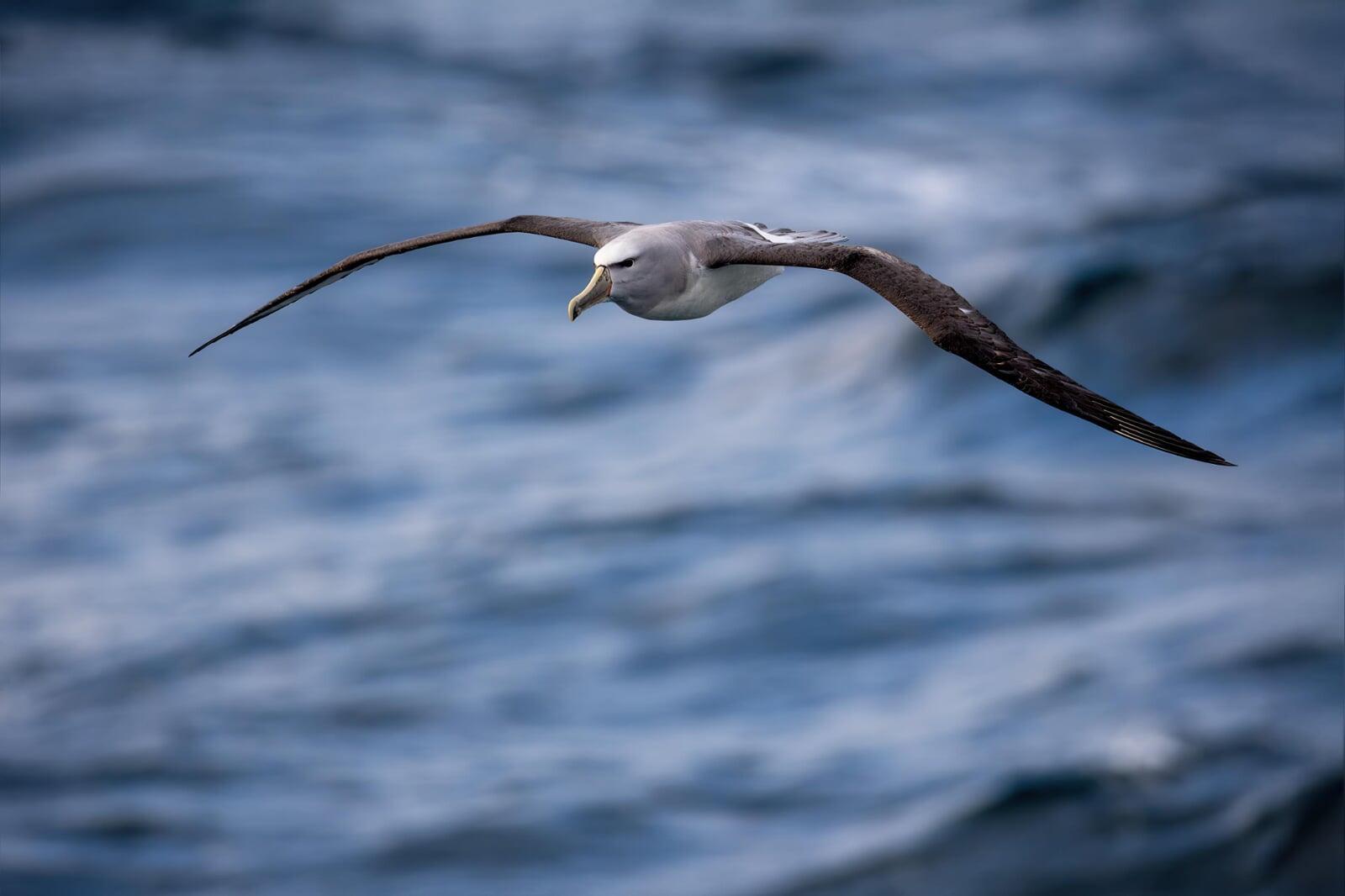
Because it was quite windy and there was some swell, the conditions were a little marginal and the company decided to send out the Zodiacs without passengers to test the conditions. This meant that everyone was to go to the lecture whilst they decide what to do. A bit rudely, I decided to walk out of the lecture when the "how to identify a Cape Petrel" slide came up - it didn't seem to be covering useful material from my point of view and I felt I'd rather be on the deck photographing the seabirds. At the time watching a slideshow inside over enjoying the place I was paying a substantial hourly rate to visit didn't make sense to me!
Backgrounds were often compromised by boat position and timing. I tried for a mix of portraits, environmental frames with kelp, and in-water behaviour. Some came together; others didn’t. Light shifted from flat to harsh as the late start pushed us toward midday. Pity about the delayed start. I also attempted to get some porpoising shots and got close but my shots were out of focus.
Enderby Island
Enderby Island
Enderby Island was a morning landing. I chose the full circuit walk because it covered all habitats and offered the best chance for Subantarctic Snipe. The passengers that did the circuit walk also got to land first and spend the most time on the island. I'm confident that this option was the best choice for photography having covered the ground permitted on the other options.
I was on the first Zodiac out. We landed at the research huts, changed to hiking shoes and waited for the other groups. We had previously been briefed on the animals and told that knowingly approaching within 50 meters of Yellow-eyed Penguin was not permitted. This resulted in us waiting on the beach for around an hour and a half watching a group of them repeatedly approach the beach and retreat in response to the slightest movement by a Sea Lion.
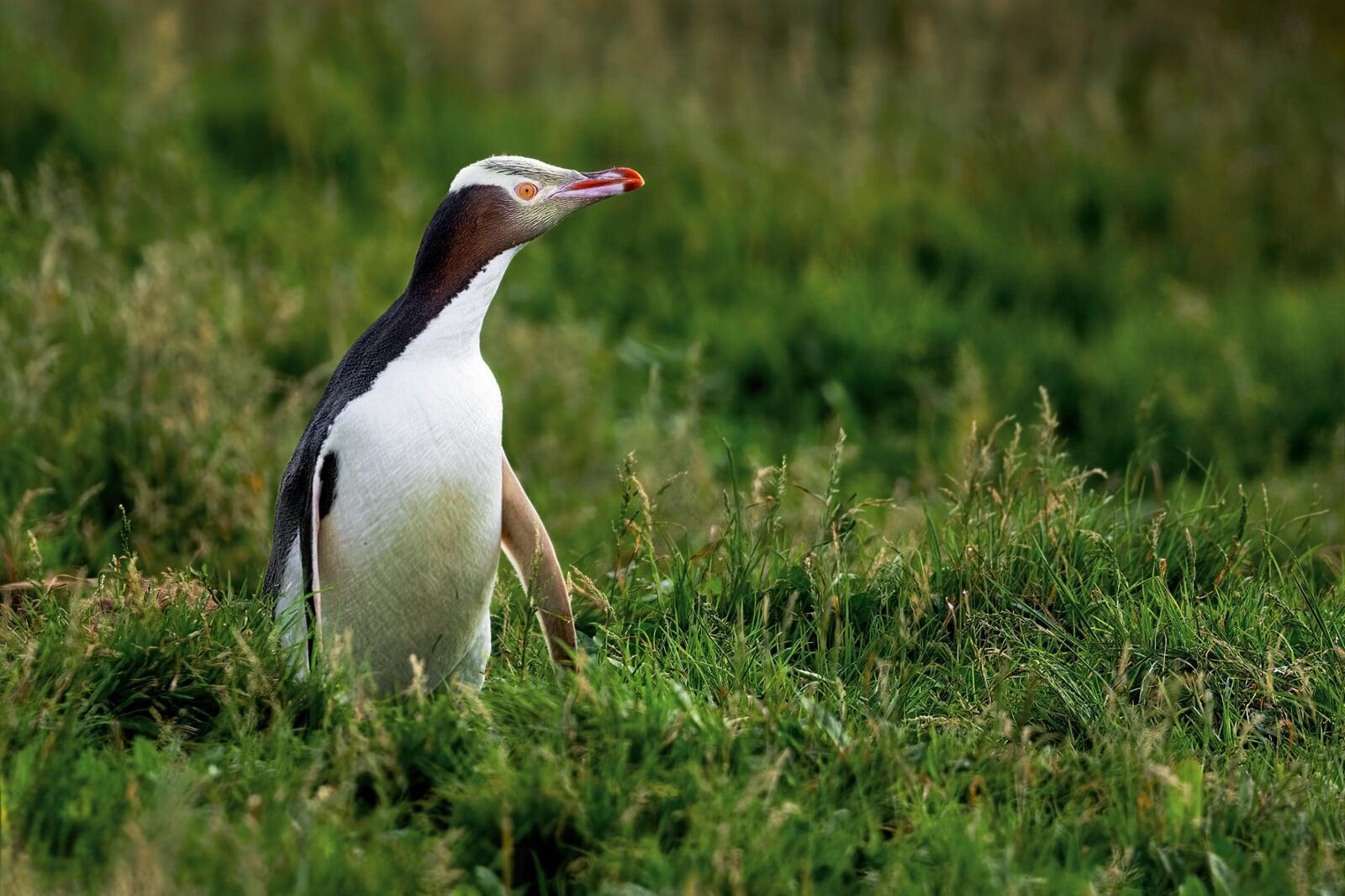
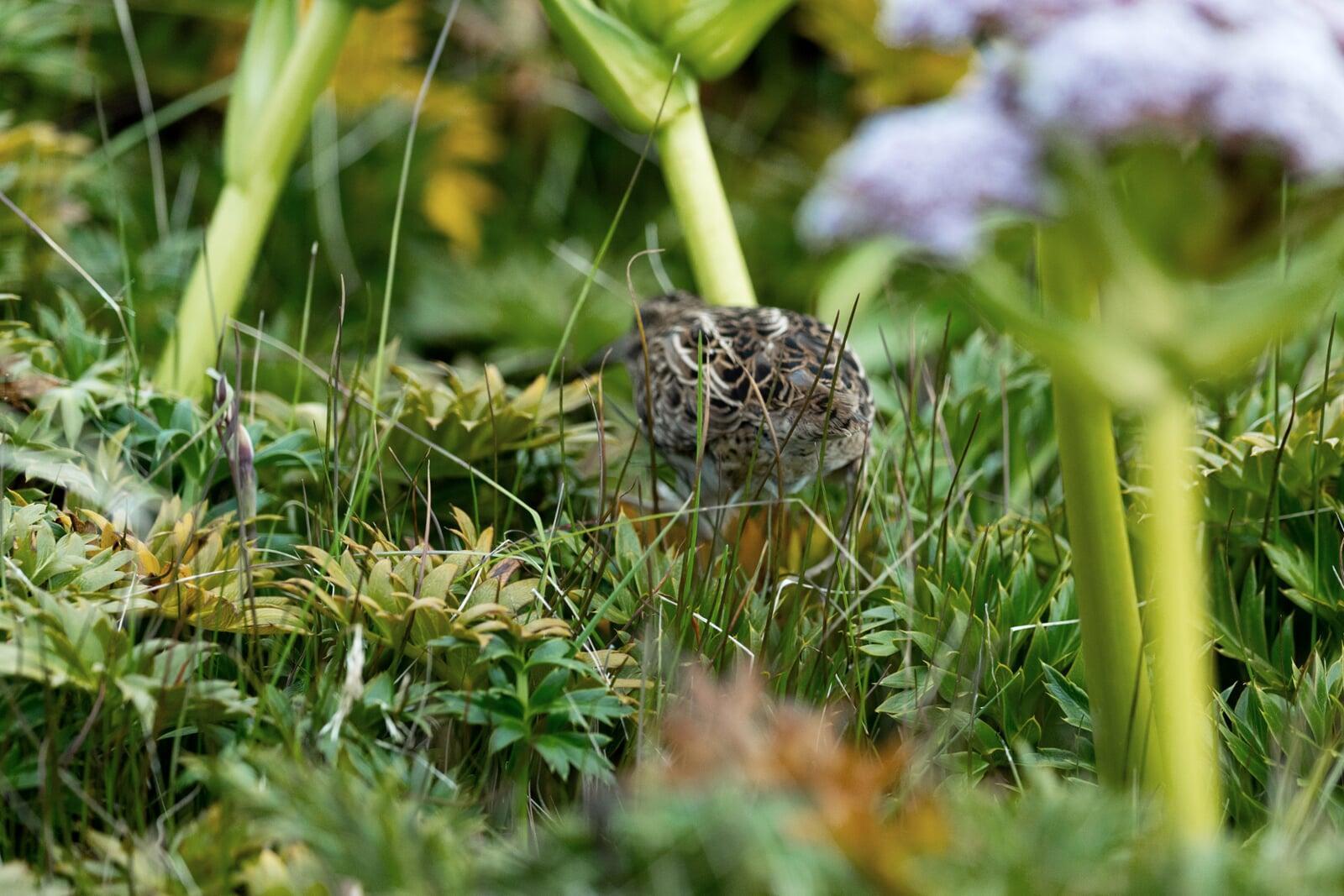
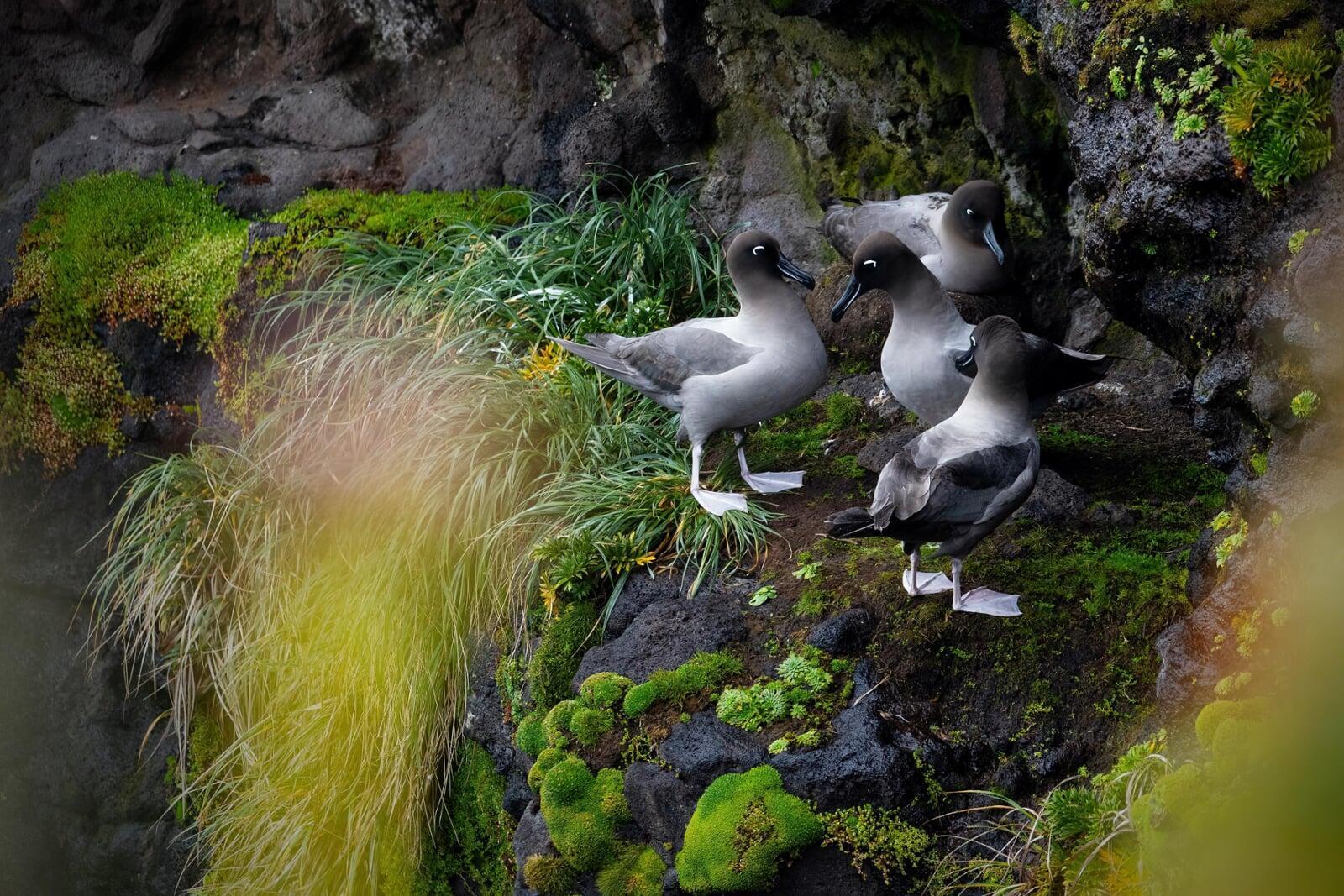
The walk on the northern side of the island was really the highlight overall. Seeing courting and nesting Light-mantled Sooty Albatross was amazing and despite the group dynamics there were lots of photo opportunities, including nesting Brown Skua, Auckland Island Teal, Spotted Shag and more Yellow-eyed Penguin.
As we proceeded around the island, we ended up walking in tussock grass. Some of the guests struggled with this and a few fell over or went very slowly so our pace dwindled somewhat. At this point it also became sunny and I felt a bit overdressed! Once we reached the eastern side of the islands we stopped for lunch where a Pacific Swift was flying overhead. I was later asked to submit a rarities report for this observation.
The last part of the island had more of the same in terms of species, but the light wasn't amazing so I didn't fuss about most stuff, mainly just snapping some Auckland Islands Shag shots. The last part of the walk was a little longer than anticipated - we had to skip a section of Southern Rata forest due to nesting giant petrels, and make some penguin-related diversions as well.
Carnley Harbour
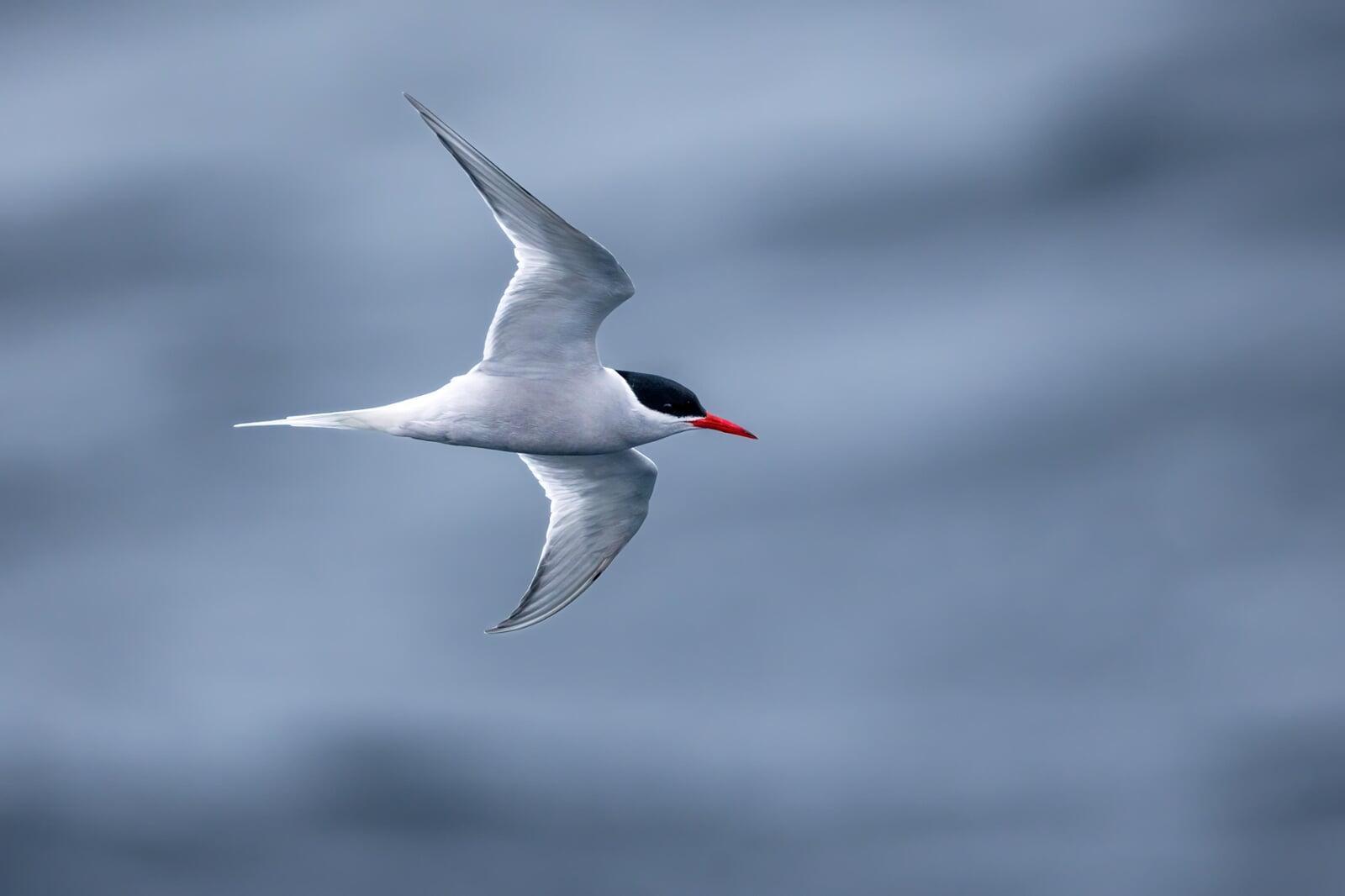
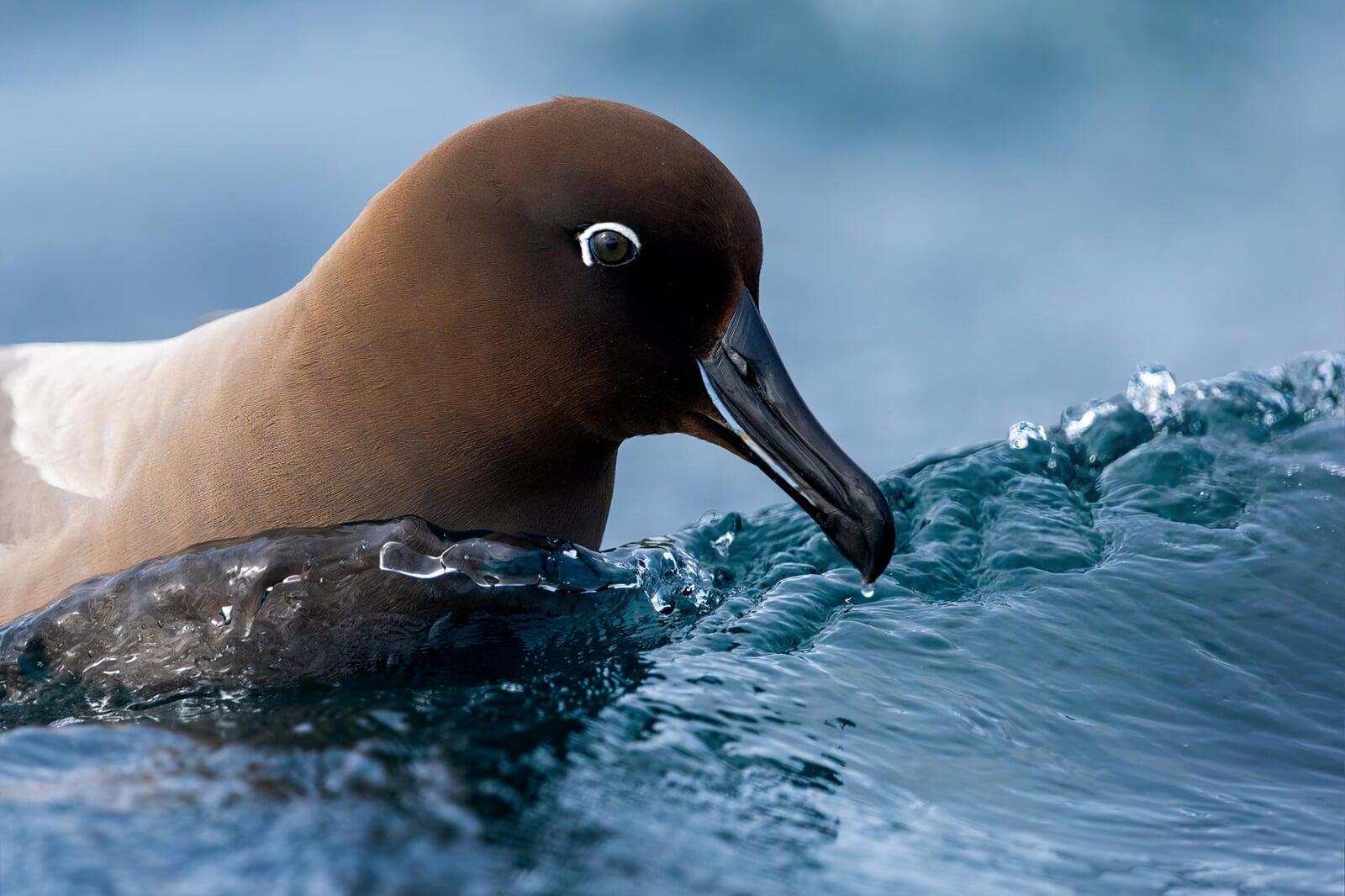
Carnley Harbour offered two zodiac cruises, the first departing early enough that the light was a genuine improvement on the previous day at the Snares. We entered through the eastern passage, flanked by tussock-covered cliffs, and headed first to a cave area on the northern wall where Auckland Island Shags were nesting on ledge formations. Antarctic Terns also perched on the exposed rock nearby. The light was flat but even, and with the 300 mm f/2.8, sometimes extended to 420 mm with a 1.4× converter, conditions were calm. A Light-mantled Sooty Albatross appeared close on the water at one point, it was great to be down at eye level in the zodiac.
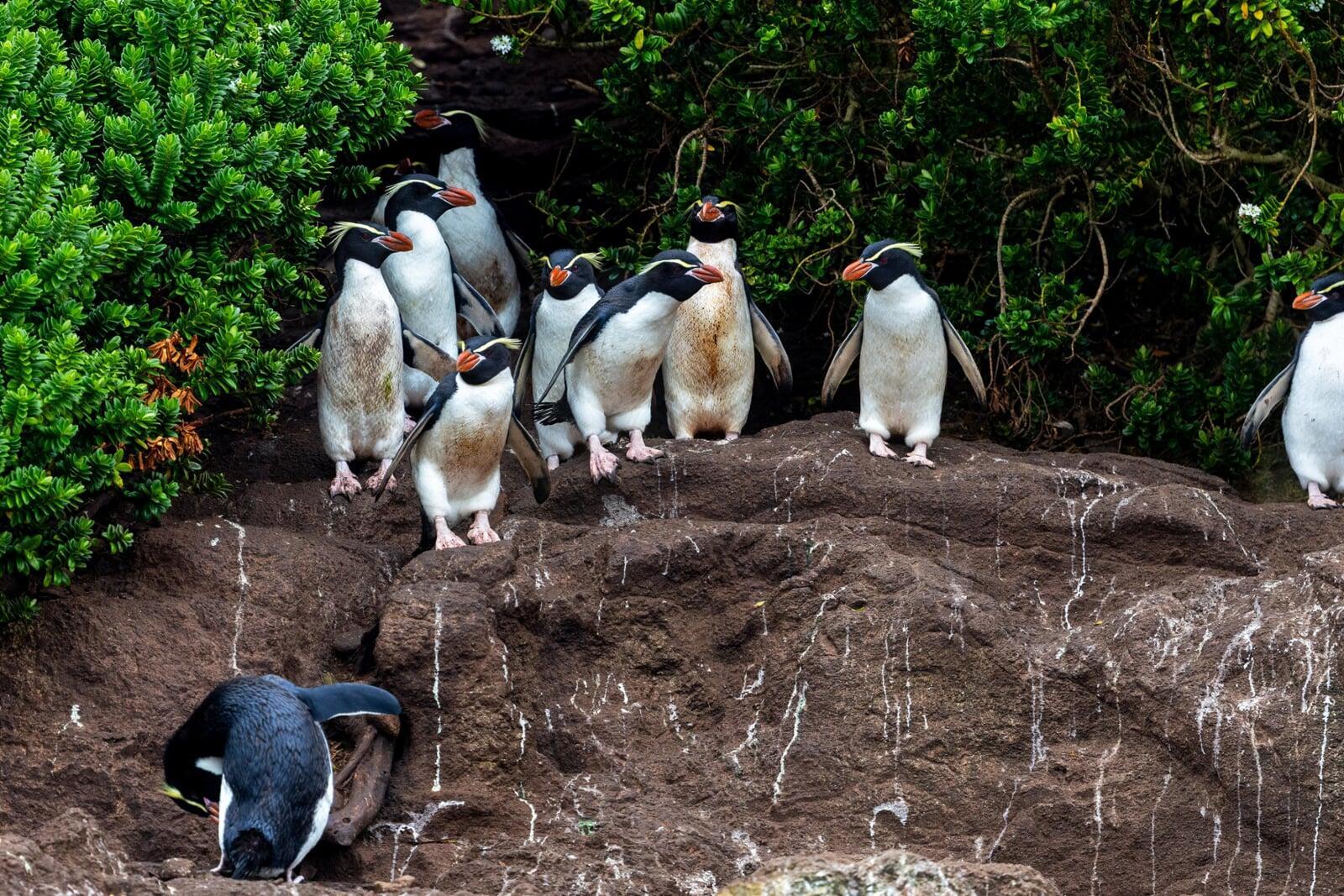
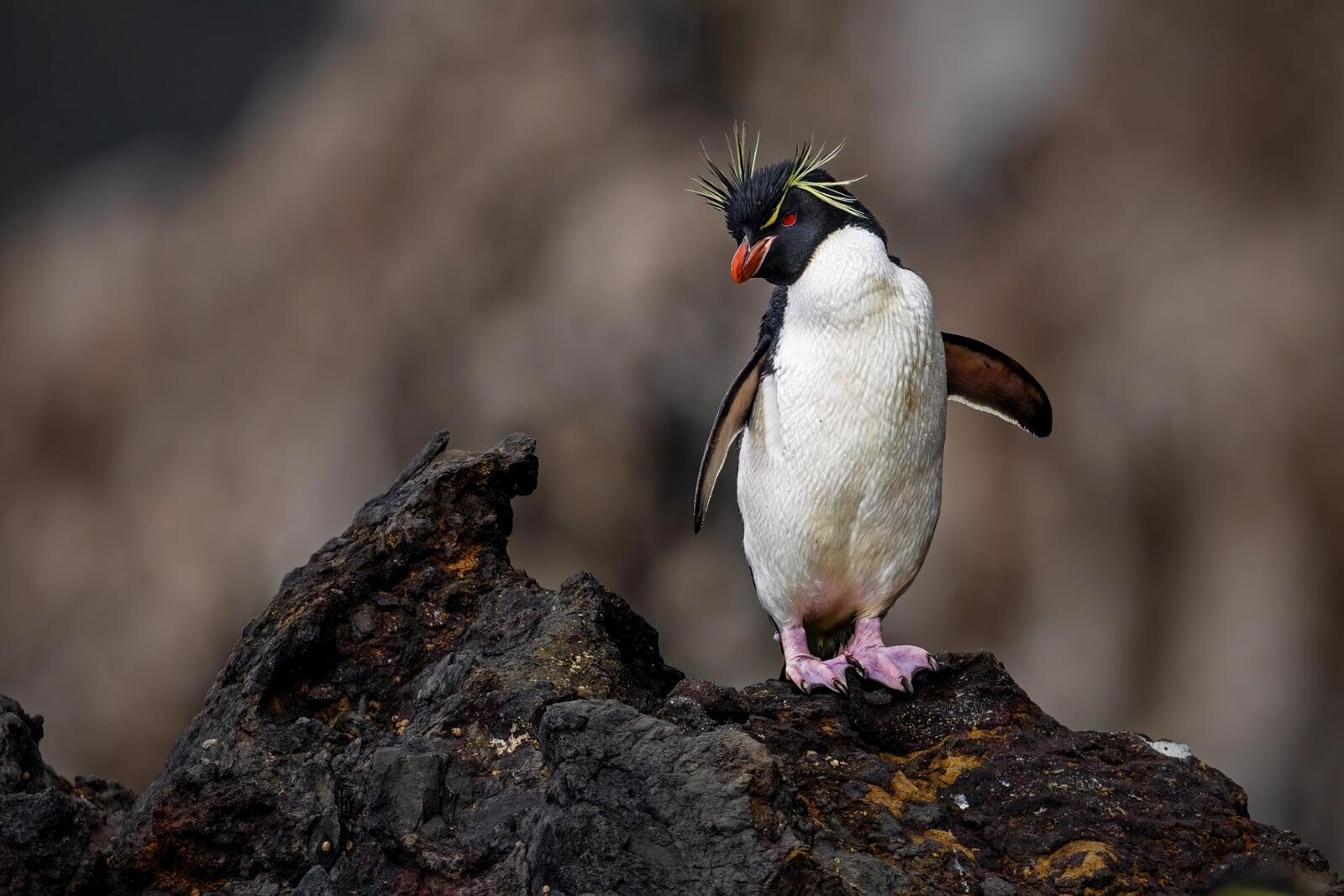
The more significant sighting was a loose colony of Eastern Rockhopper Penguins on a rocky slope near the shore, some at water level, others picked out against vegetation higher up. Sooty Shearwaters were moving in numbers through the harbour entrance too, most likely accessing nest burrows in the steep ground above.
Macquarie Island
The first landing at Macquarie was at the Australian Antarctic Division research station at Buckles Bay - about an hour onshore, a guided march only, no access into the base itself. The wind was stronger than at the Auckland Islands but the lee of the island reduced the worst of it. A brief stop at a Gentoo Penguin colony offered a few minutes of shooting before the group was marched uphill to a lookout and then back to the zodiacs within the one hour time limit.
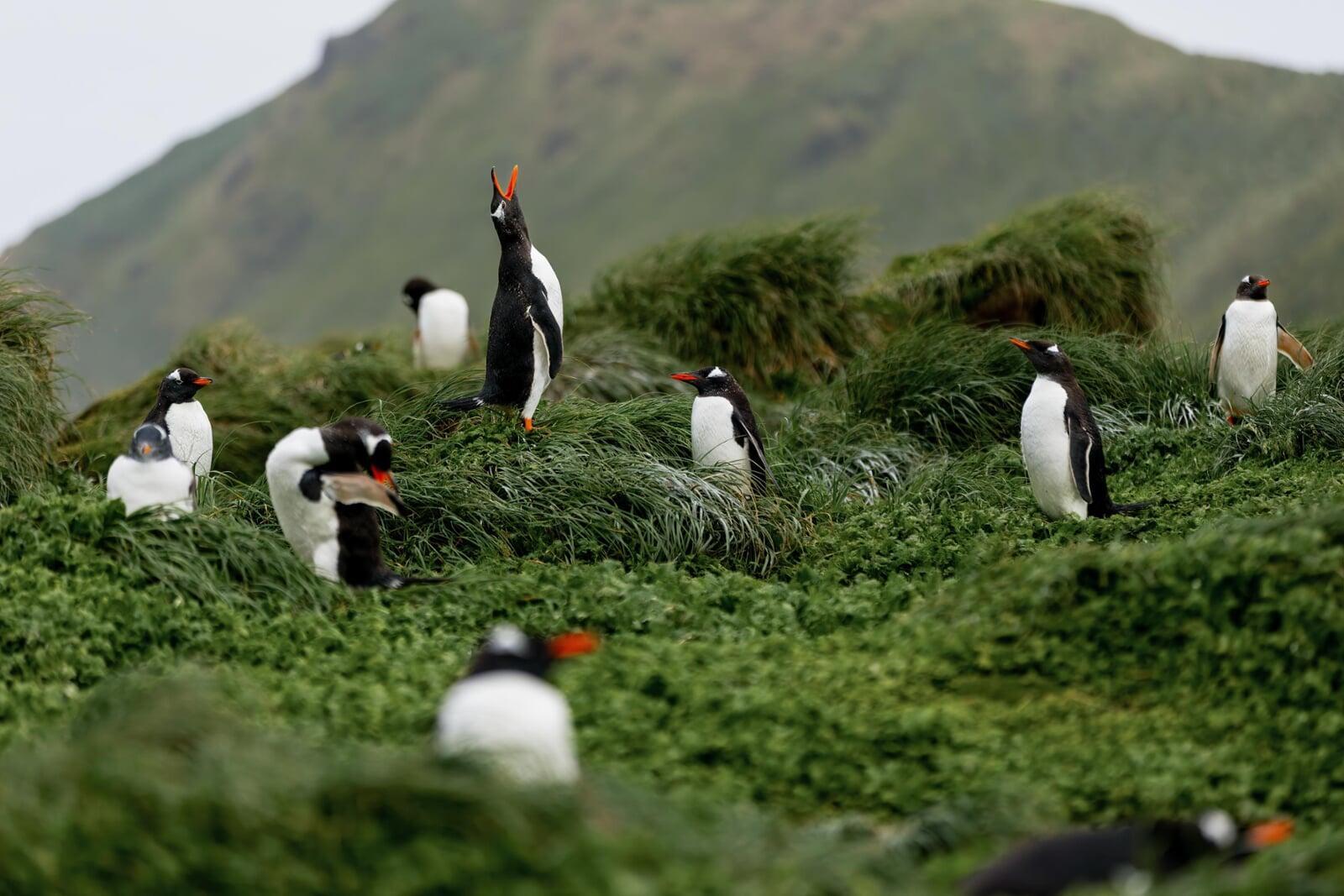
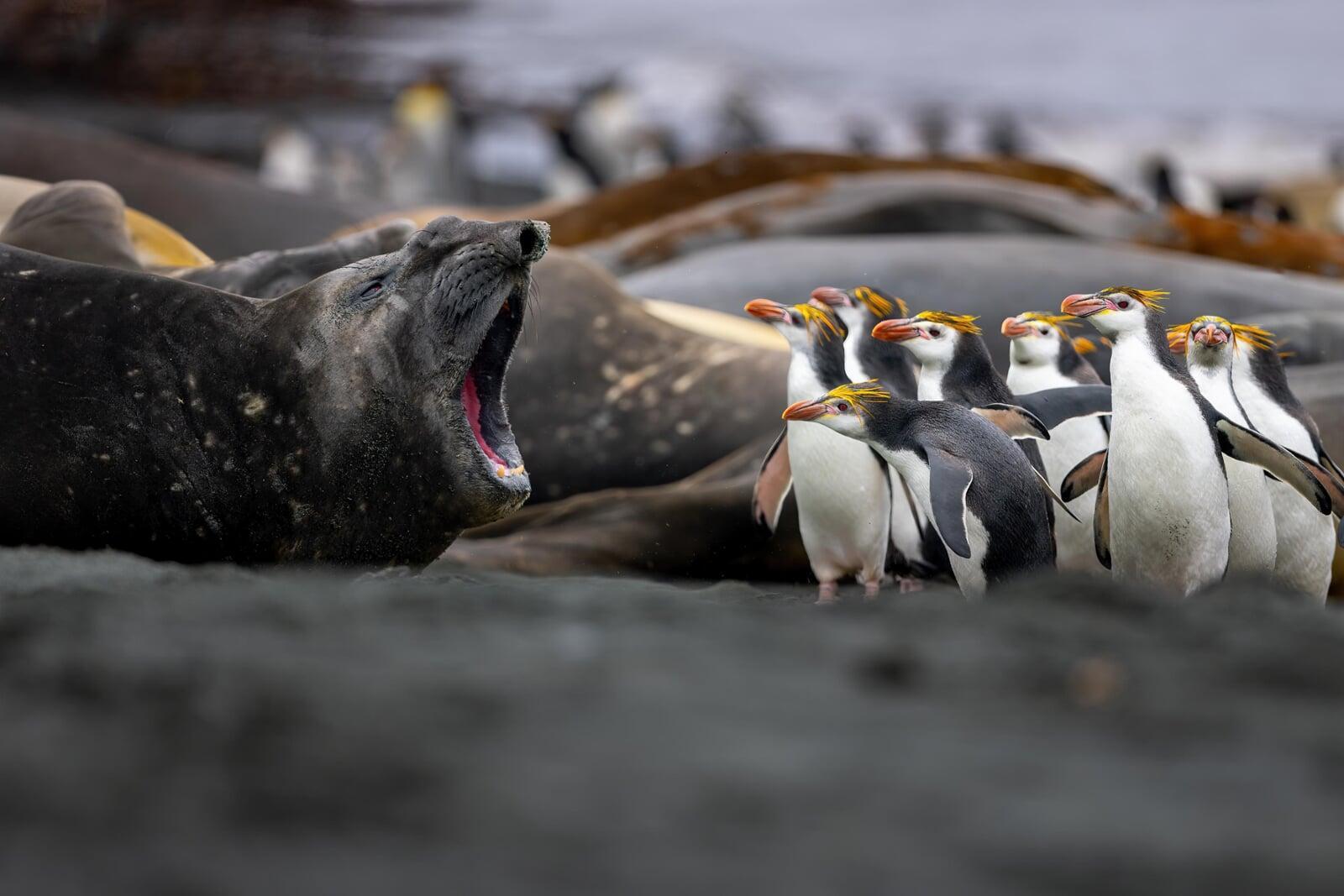
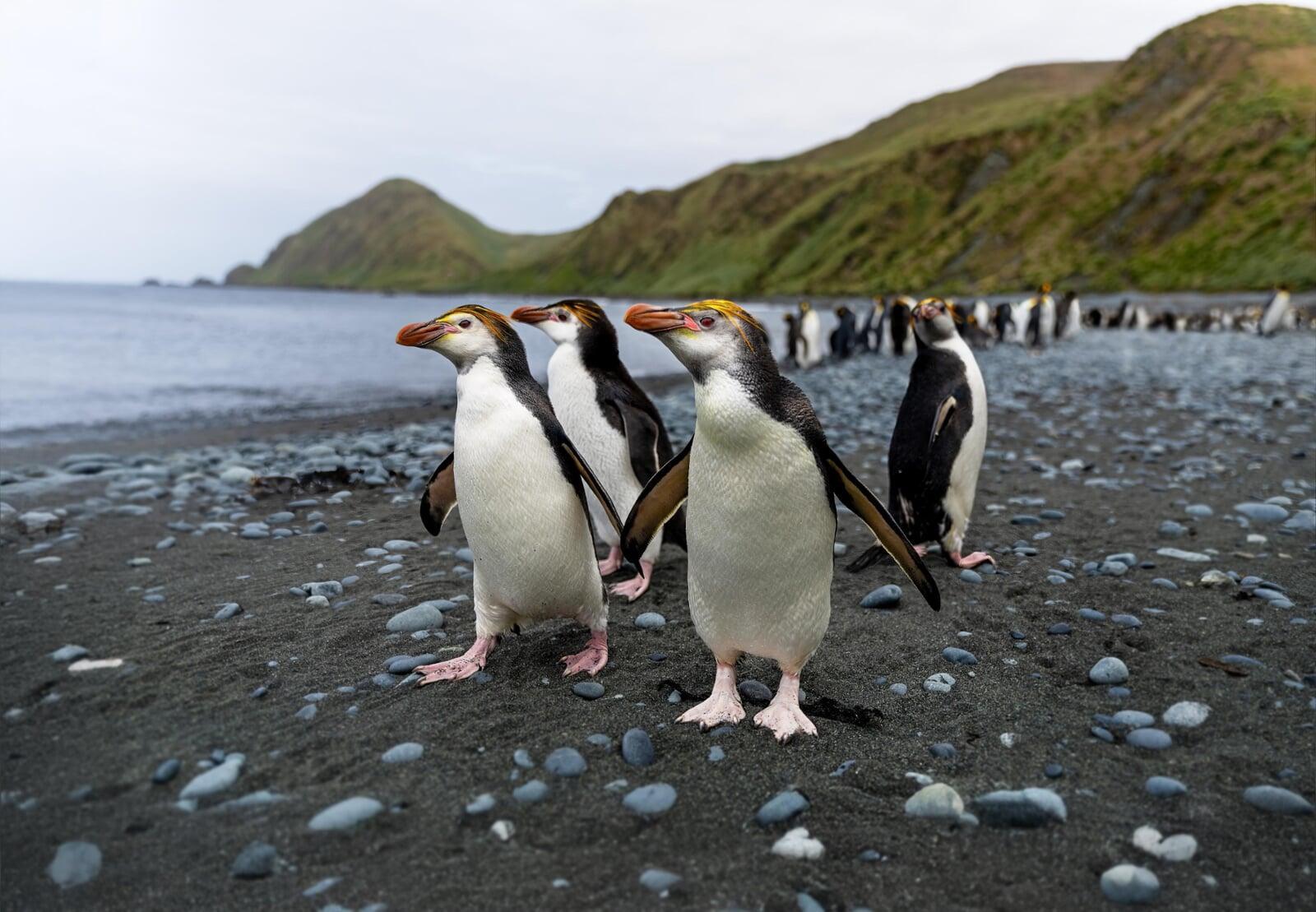
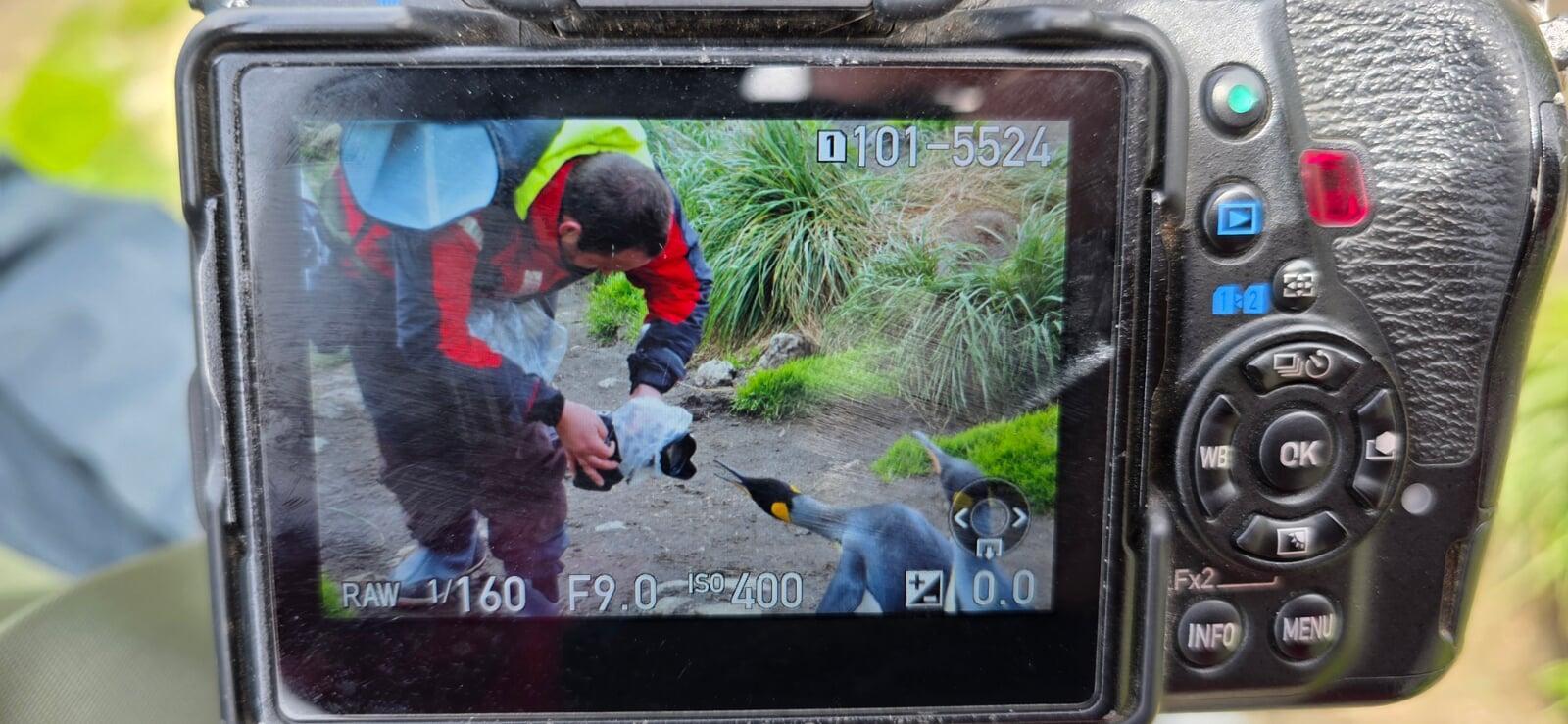
Sandy Bay was different. We had two landings there - one in the afternoon and one the following morning - with more freedom to roam. The first time I focused on the southern end of the beach, where King and Royal Penguins mixed near elephant seals. A larger Royal Penguin colony uphill was off limits due to a nesting Southern Giant-Petrel. I position myself strategically to allow some wide angle shots from passing penguins without breaching the 5 meter approach rule. They were curious overall and would come very close as long as you stayed still.
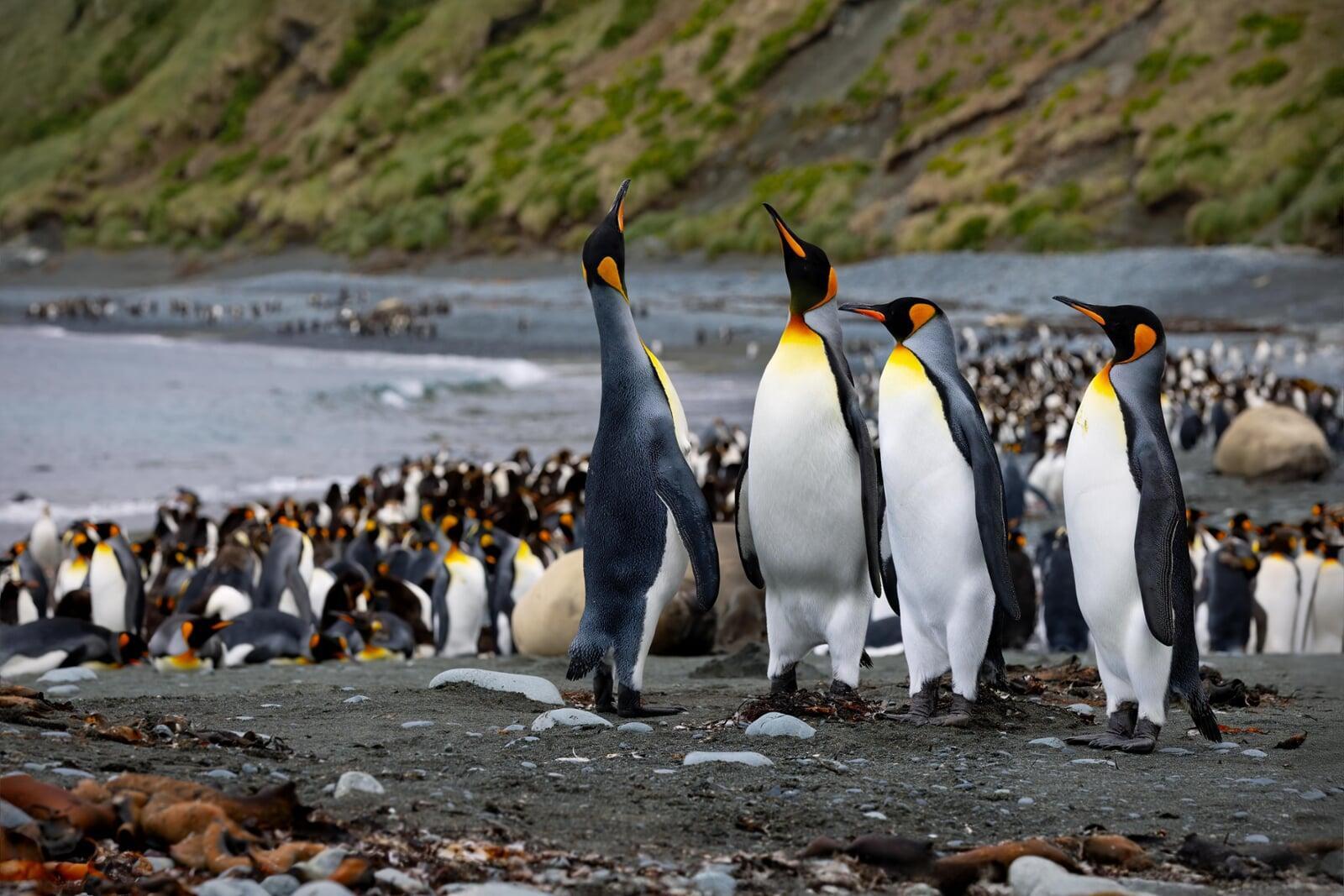
On the second landing I focussed on the King Penguin colony. It was interesting to observe the Voronoi-like structure of the nesting sites - the birds on eggs would peck at anything in range, and it was amusing watching birds occasionally running the gauntlet.
After visiting Sandy Bay on the second day the weather deteriorated somewhat, so we cruised down to Lusitania Bay to see the very big colony there and the southern tip of Macquarie Island before turning around and heading to our next destination.
At Sea: Light Finally Cooperates
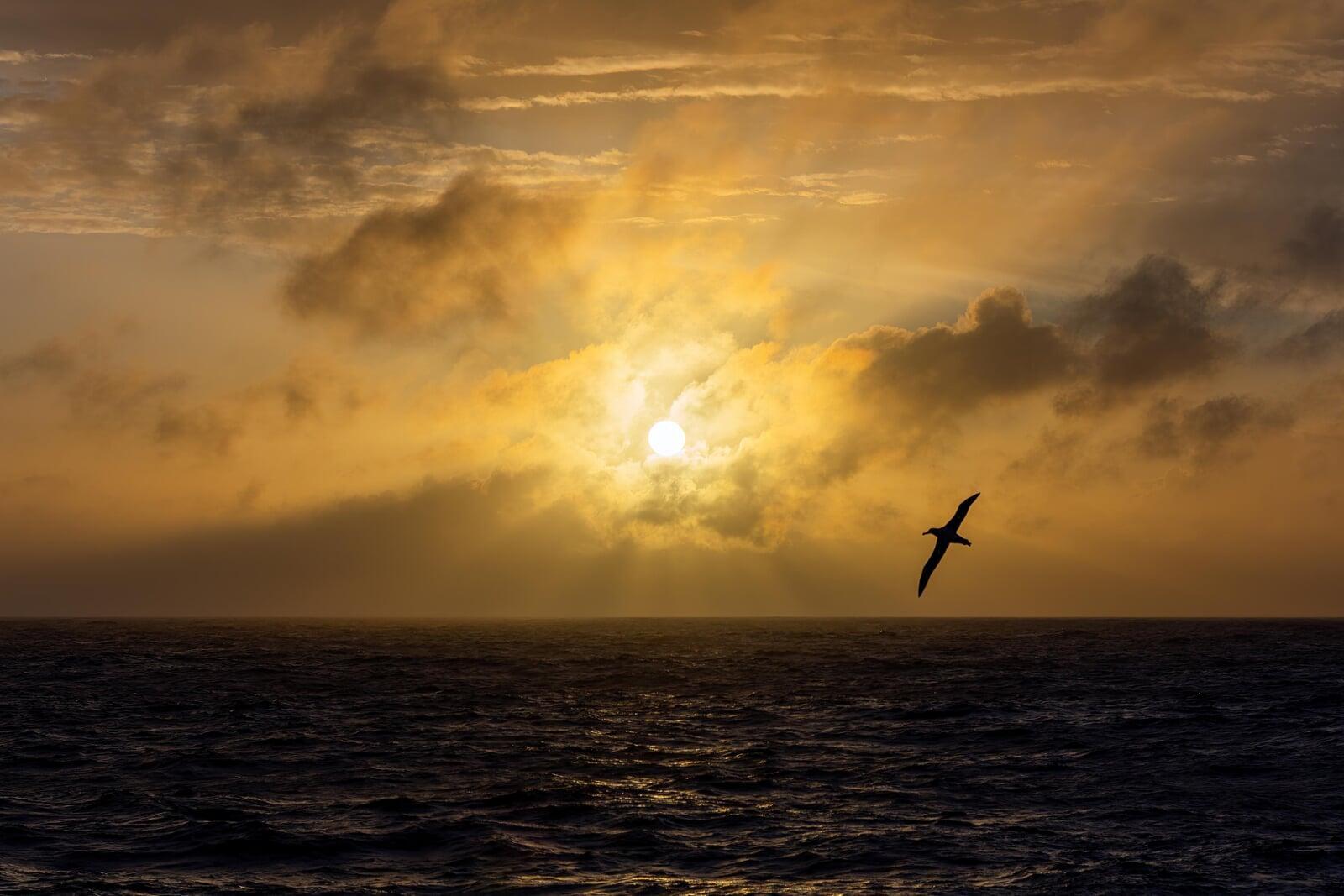
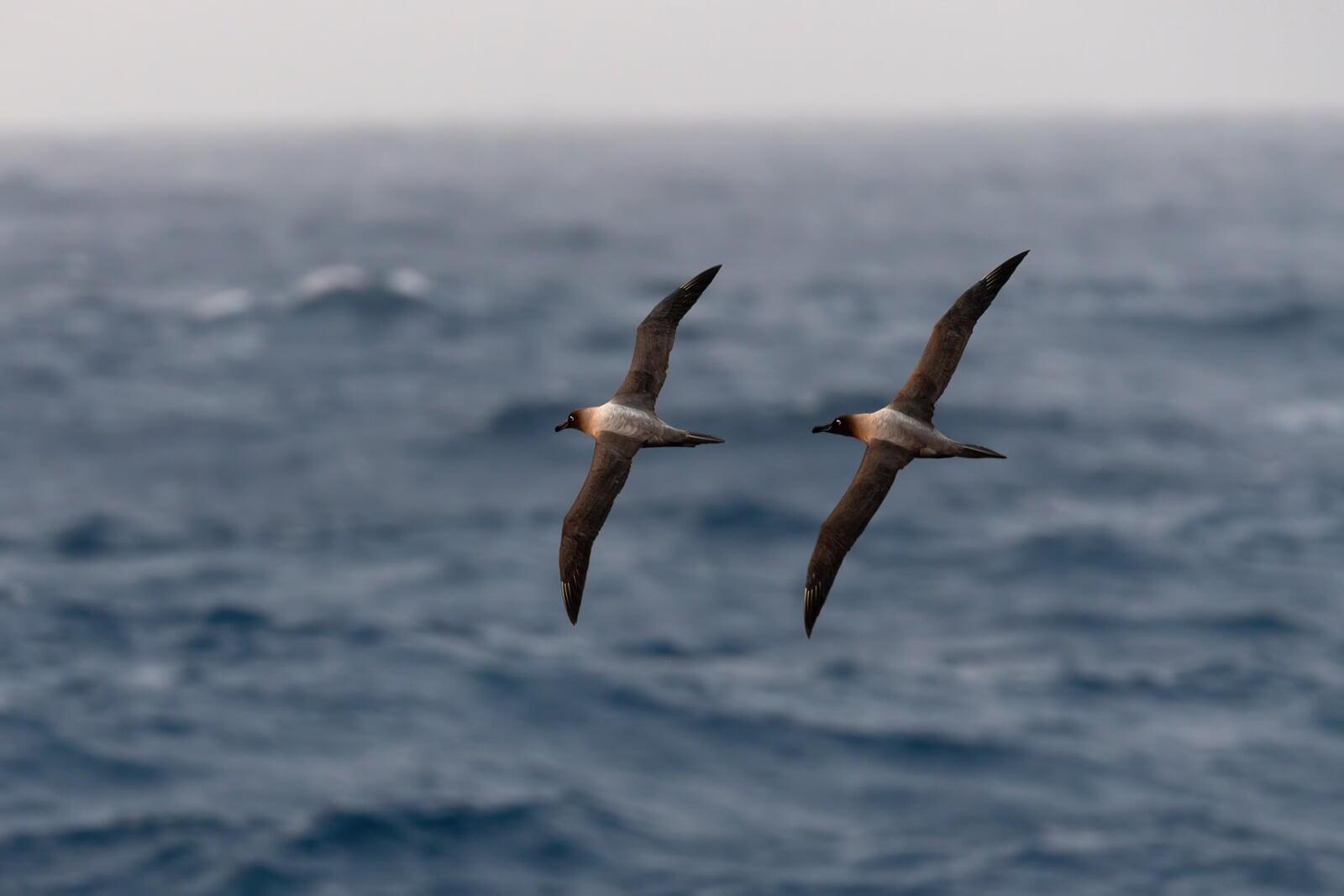
The transit days between islands were seabirding days. I was on deck early and stayed late most days waiting for birds to pass within workable range. Most mornings were overcast and the light was unremarkable, but the days leaving Macquarie Island were different. Two evenings in succession brought clear skies and broken cloud at the horizon, and for the first time on the trip sunset light aligned with birds close to the ship.
Campbell Island: Mt Honey
Campbell Island was the final landing of the trip. The choices on offer included a boardwalk circuit and a zodiac-and-walk option to find Campbell Island Teal. I took the Mt Honey walk. Heritage staff had framed the walk as demanding during the briefing, but really I think moderate to easy would be a better description for an experienced walker - roughly seven kilometres return, with four creek crossings each way and a few hundred metres of elevation gain. Half of it was off track on tussock. I also went one knee in mud on the way back, but the waterproofs kept the mud out of my boots so that was fine.
The reasoning for choosing the walk was straightforward: the warnings about difficulty would thin numbers, the creek crossings offered genuine snipe habitat, and the elevation would give access to nesting and courting Southern Royal Albatross in open tussock with views behind rather than on boardwalk-adjacent scraps of ground.
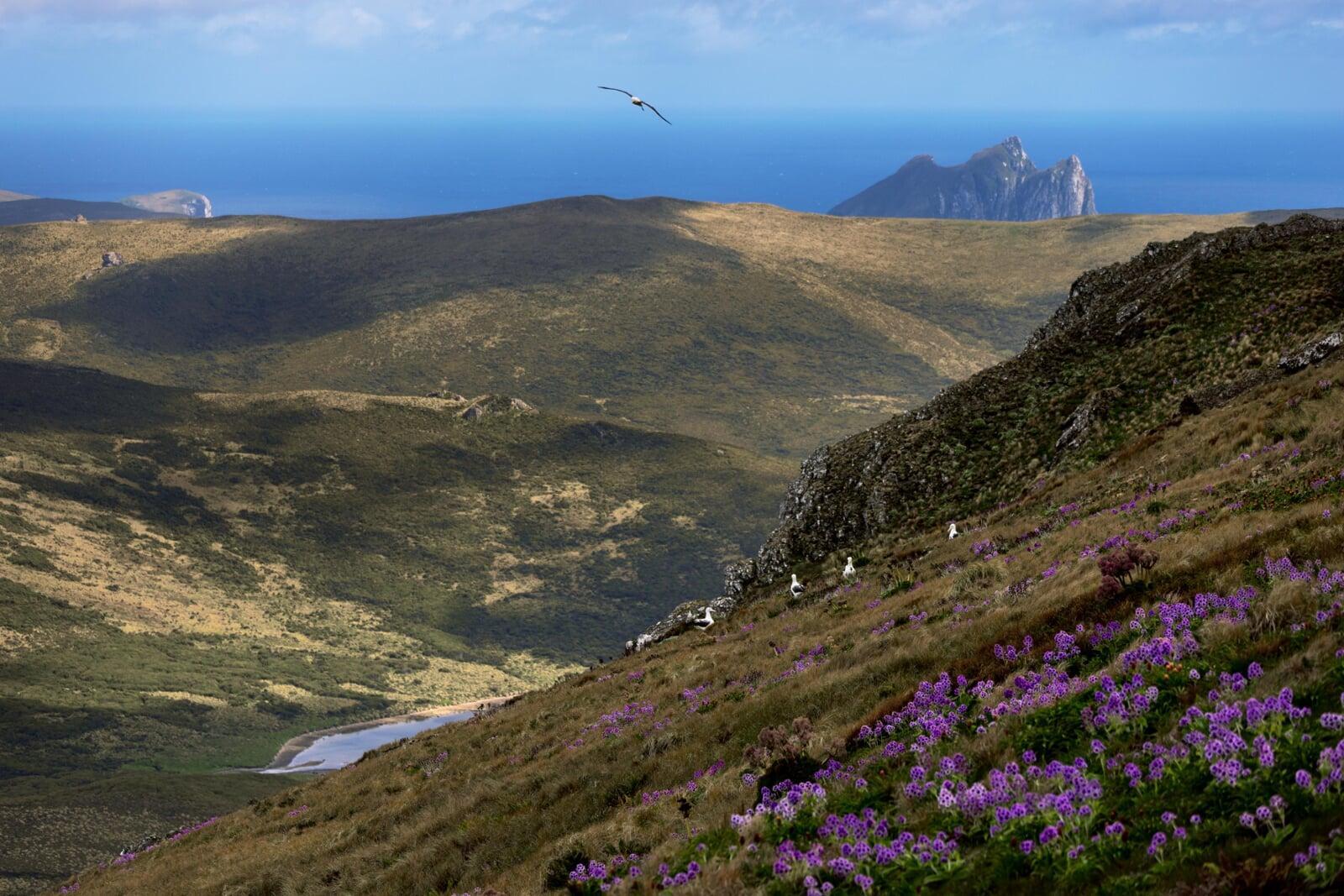
Megaherbs were in full flower across the slope - the spectacle that the botanist Joseph Hooker called second to none outside the tropics, and the description holds. The vegetation was denser and more varied in colour than anything seen at Enderby Island or on the approach to Mt Honey's mid-slopes.
Southern Royal Albatross were nesting almost immediately once we cleared the lower tussock, and further up, groups of four or five birds were engaged in courtship, calling and spreading their wings, lifting into the wind above the ridge. They climbed to considerable height, then swept back down in slow arcs over the sea. I stayed approximately 100 to 150 metres below the summit, choosing to spend the time working compositions - landscape framings with the bay visible below, closer portraits of nesting birds, and the courtship groups in flight - rather than continuing to the top.
On the return we paused at the feral Sitka Spruce, reportedly one of the most isolated trees in the world and a notable artefact of the island's pastoral history, and briefly observed a Campbell Island Teal that had been spotted near the meteorology buildings. Campbell Island Shags were passed at pace on the zodiac return and not photographed, but missing any photographs of those was an acceptable trade for the great time I had on the hill.
Gear and Packing Notes
I spent a considerable amount of time planning what gear to bring for this trip. I wasn’t operating from direct Subantarctic experience, so I relied on research reading trip reports, analysing other photographers’ images. The conditions were more mild than winter in Tasmania, so I used that as a reference point for clothing.
From a photography gear perspective, it is useful to think in terms of four operational modes:
1. Photography from the Ship
There were always pelagic birds around the vessel, both offshore and near land, but they didn’t always approach closely. The largest lens you can comfortably handhold is the right choice here. I used my 400mm f/2.8 most of the time; it was my bread and butter. A 100-500mm or 200-600mm would also have been fine.
Wider focal lengths were occasionally useful. I made some “bird in landscape” frames with a 70–200mm, particularly when birds passed nearer the hull in good light. The fast aperture of my lenses was nice at sunrise and sunset.
2. Photography from the Zodiac
In zodiacs you’re often relatively close to the action, but not always - sometimes something interesting is a bit distant. I most frequently used a 300mm f/2.8, sometimes with 1.4× or 2× converters (420mm or 600mm equivalent). That combination worked well for individual portraits and small group compositions. Probably a zoom lens like a 100-500 would be easier to handle.
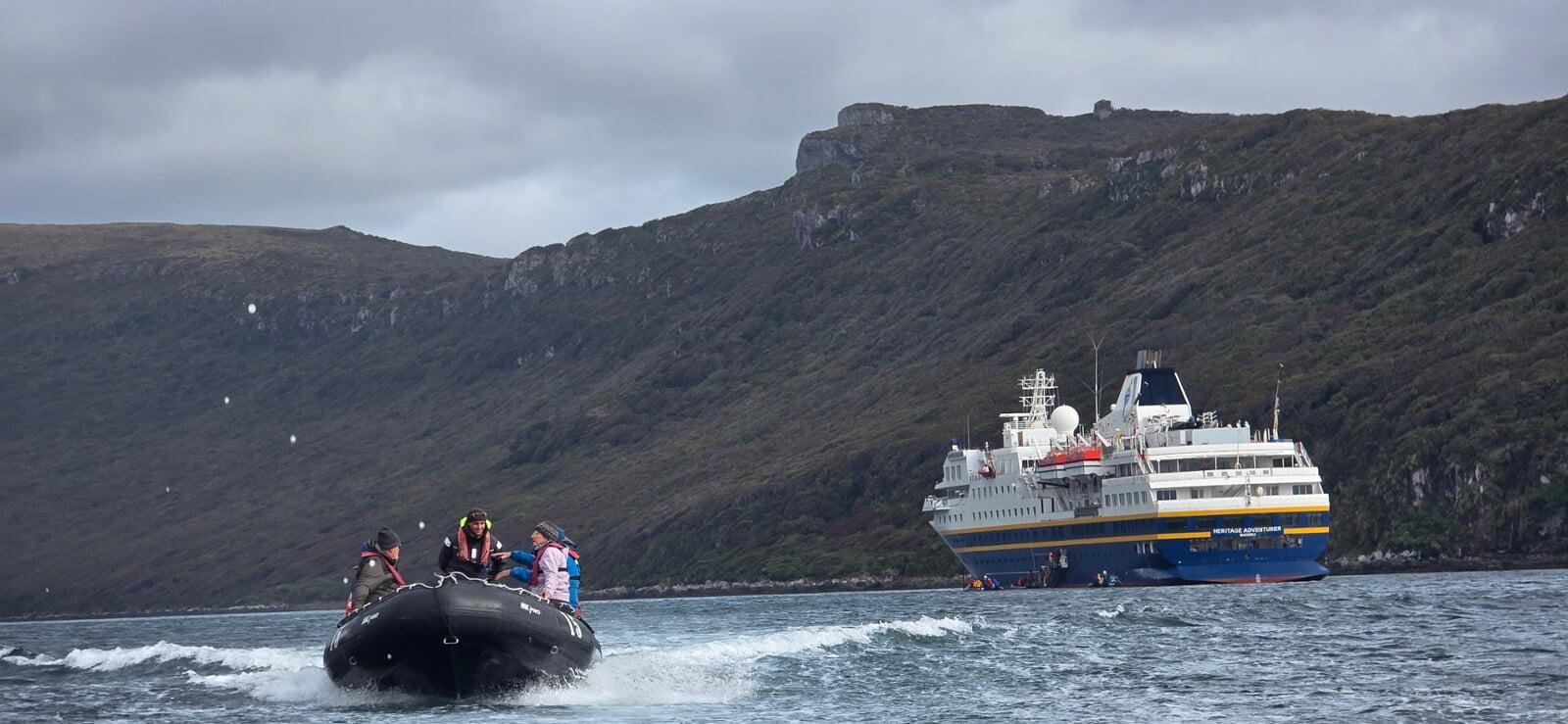
A selfie stick with a GoPro isn’t a bad idea, as penguins frequently porpoise close to the boat. I attempted this but didn’t succeed with any usable swimming shots. If you intend to carry multiple lenses, a second body is highly recommended - it's faster and less risk than changing lenses.
3. Photography on Guided Walks
Some landings involved structured group walks where stopping for extended periods wasn’t practical. For these I carried my 400mm f/2.8, as the reach allowed me to make images quickly without repositioning.
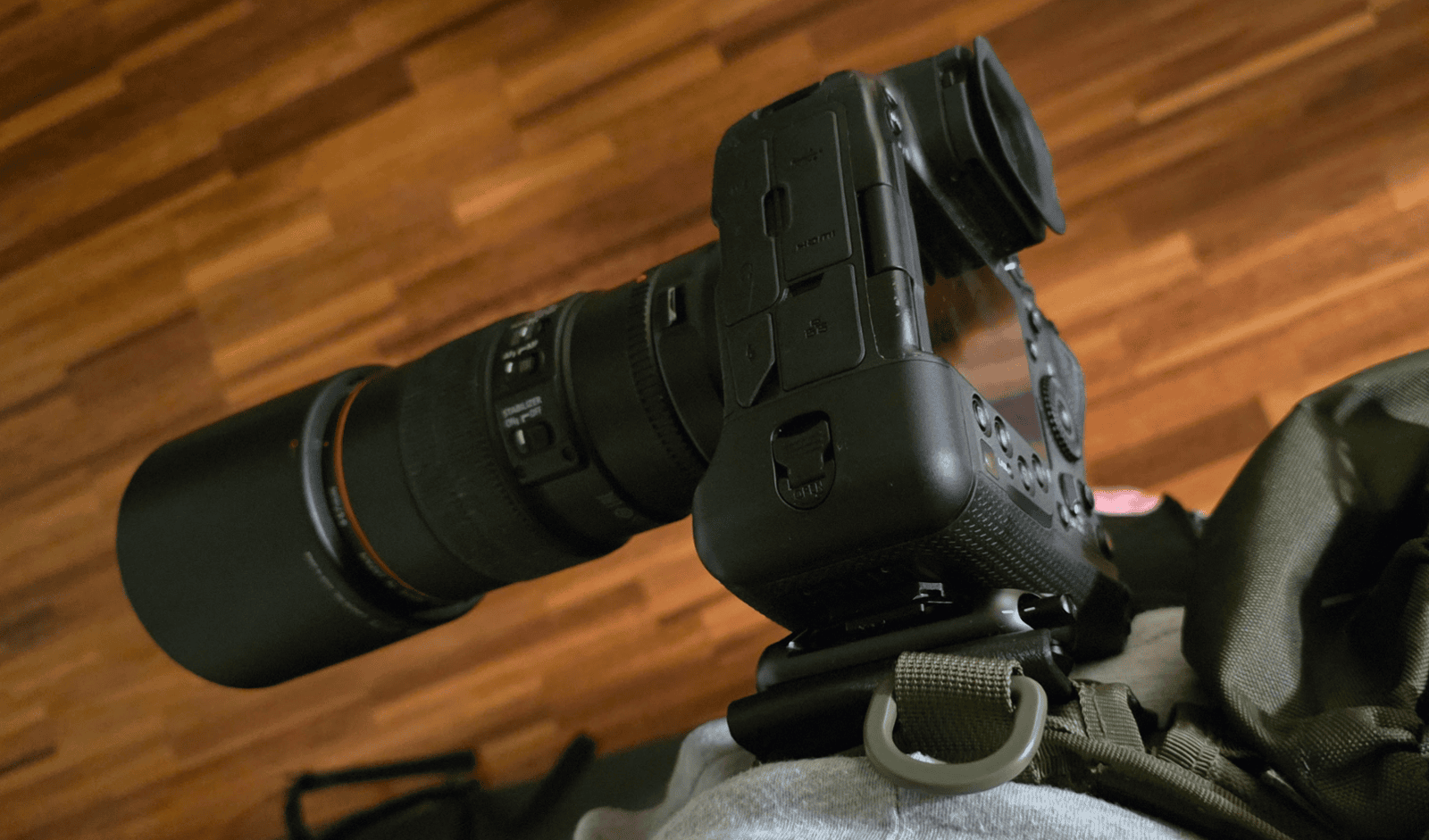
I also carried a 24–70mm and/or 70–200mm on a battle belt for rapid lens changes. To manage weight, I generally carried only one camera body on walking days. A workable system was one body with the long lens mounted and a second wide lens.
4. Photography on Self-Directed Landings
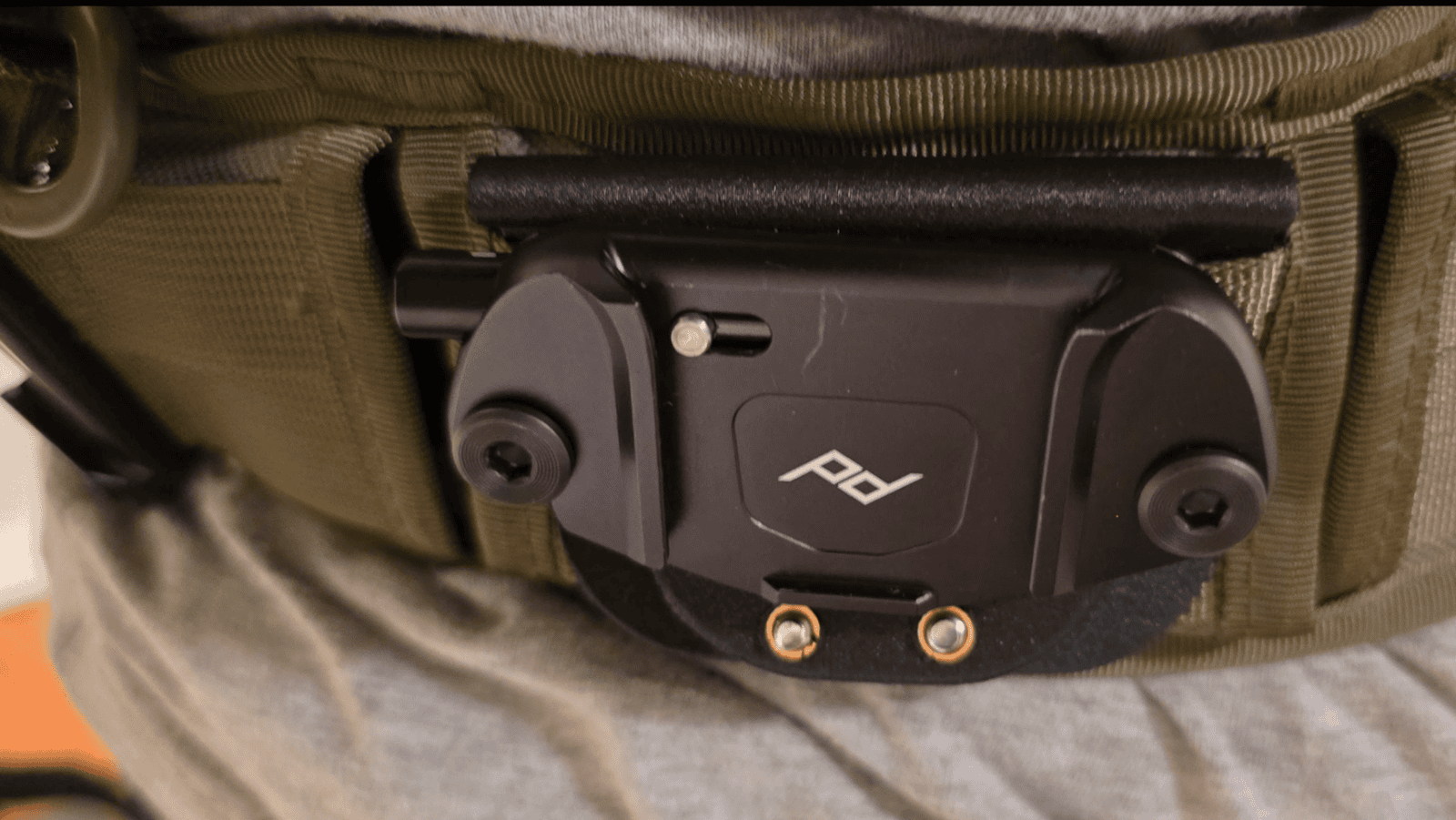
For the two Sandy Bay landings on Macquarie Island, I carried a 300mm f/2.8, 24–70mm, 70–200mm, and converters, along with two bodies. I used a molle battle belt, peak design clips and custom 3D printed carbon fibre nylon brackets to hold my gear and allow rapid switching. Honestly a third camera would have been good here (or a lens with a wider zoom range). I also used the battle belt to hold a spare lens on the hikes. For most photographers, a telephoto zoom and a wide zoom would suffice.
Improvised Weather Protection
For additional protection I used garbage bags and hair ties, cutting a hole for the front element and stretching the plastic over the lens before taping it in place with electrical tape. A second hole allowed access to the viewfinder.
There were no commercial covers available at the time that fit my R1 and R3 properly, and I’ve used this method on pelagics for years. Ultimately, I didn’t need the extra protection due to relatively kind weather - but it only takes one rogue wave or heavy rain to create corrosion issues later.
Clothing
I wore offshore sailing gear (Gill OS/2) as an outer layer while on deck or off the boat. If buying specifically for this type of trip, I’d favour items with plastic zips - metal corrodes quickly in salt environments. Salopettes with shoulder straps were useful on hikes, as they stayed in place and didn’t require adjustment. Lighter bushwalking gear may be better in terms of bulk and weight travelling, but be aware of the corrosion issue. I run warm, and the interior of the ship was warmer than I prefer. Shorts and T-shirts were useful in the cabin and dining room and another passenger commented wishing they'd packed some too! Laundry turnaround was efficient, generally 24 hours rather than the 48 I had anticipated. As a result, packing excessive thermals and spare layers wasn’t necessary.
Conclusion
Overall, the experience was exceptional. Seeing nesting seabirds and a slice of the Southern Ocean in this context was deeply rewarding. Bird photography on a Subantarctic cruise is a constrained optimisation problem - limited access, imperfect light, crowd dynamics, and permit restrictions all shape what is possible. Despite those constraints, there were many moments that will remain vivid for years, and I’m very glad I made the trip.
For a bird list see my eBird trip report.