I recently spent ten days away from my home in Sydney travelling to Timor and Sumba in Indonesia via Bali. These are two islands in Nusa Tenggara in Indonesia (the eastern part of Timor is independent from Indonesia) and represented a part 2 for this region after a short stay in Lombok earlier in the year. I used Daris Pradikatama to organise the trip. He engaged a local guide on Timor and drivers in both locations. This blog post covers the Timor part of the trip - my intent is to publish separate posts covering Lombok and Sumba.
Most days in Timor were spent birding without large amounts of time stuck in a car. The weather was generally pleasant - a little cooler and a little less humid than many other locations in Indonesia. The birds showed some wariness (with more in the lowlands), but overall they were not as difficult as Papua, though still noticeably harder than Australia.
Timor
31 October - Kupang to Soe: First Night in the Forest
After flying Sydney to Denpasar the night before, I slept at the airport hotel in Bali and took a daytime flight to Kupang where I met Daris. We immediately drove towards Soe. The roads were good and there seemed to be various shiny government buildings, but the locals themselves didn't appear to be particularly wealthy compared to other parts of Indonesia.
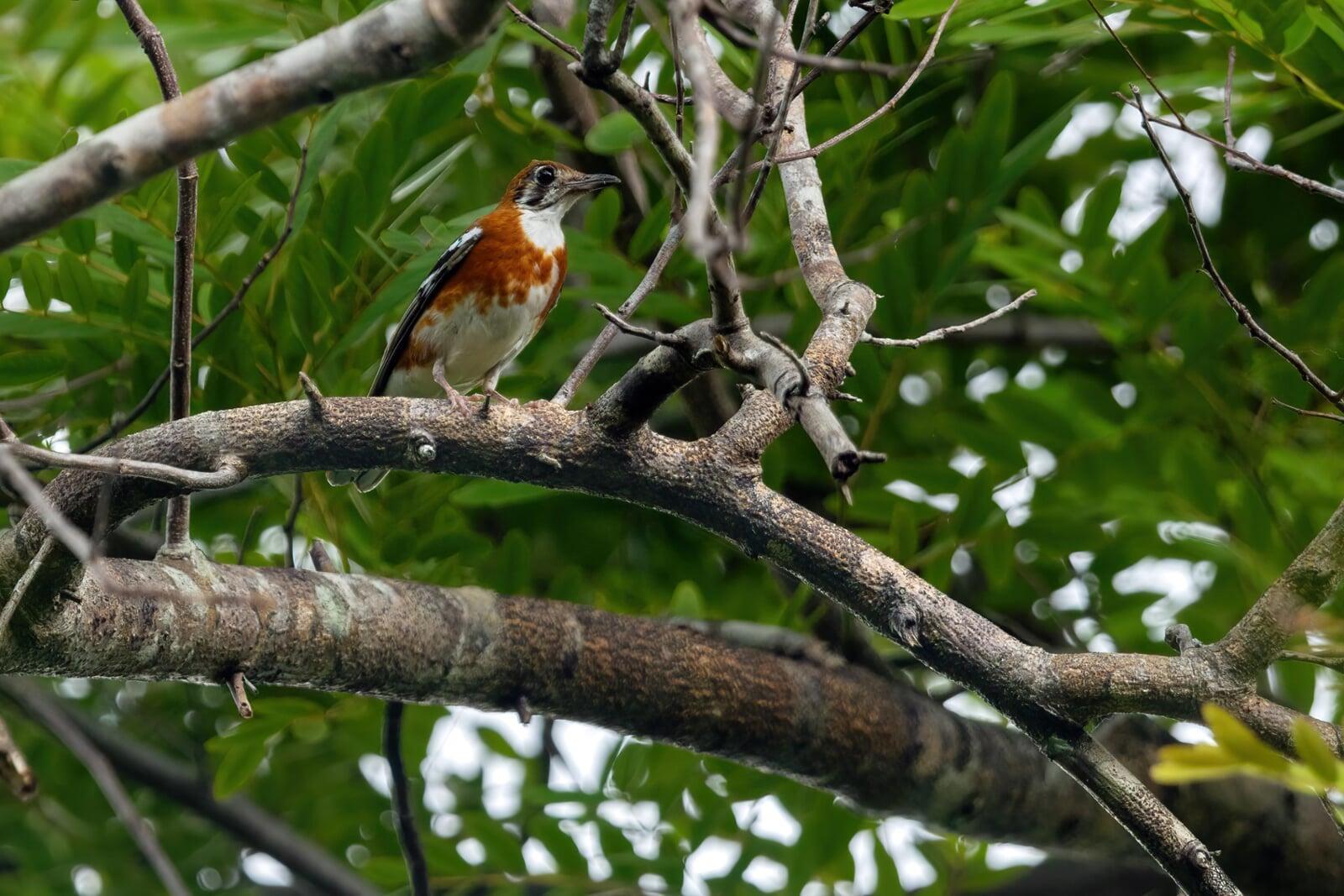
The first birding site was Mollo Selatan, working a small patch of forest for the Timor near endemic Orange-banded Thrush. The lighting was really poor because an afternoon thunderstorm was building. We saw the thrush and a few other things like Fawn-breasted Whistler and Supertramp Fantail. I took some photos but nothing amazing - the thrush mostly stayed pretty high up in the trees.
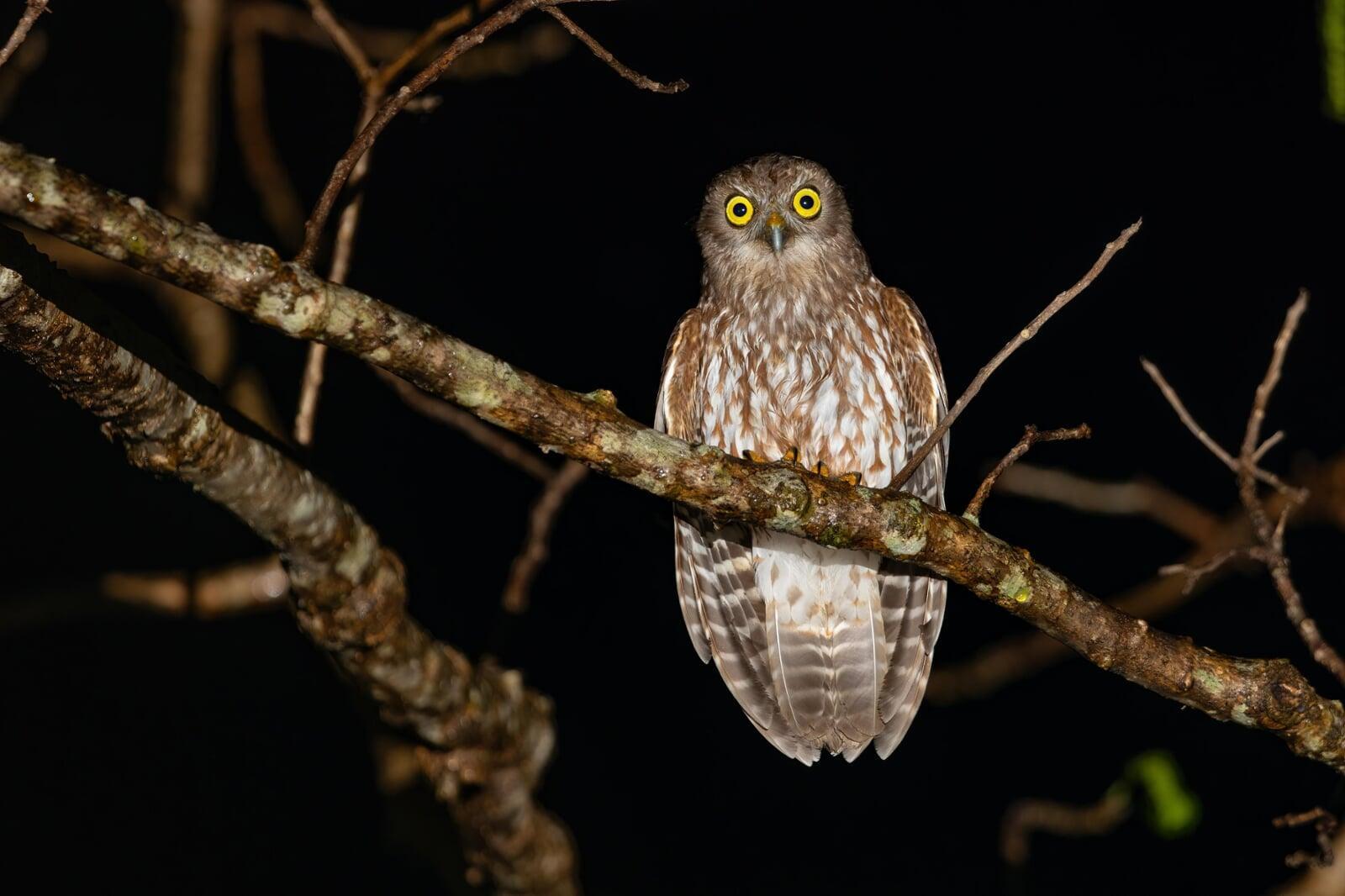
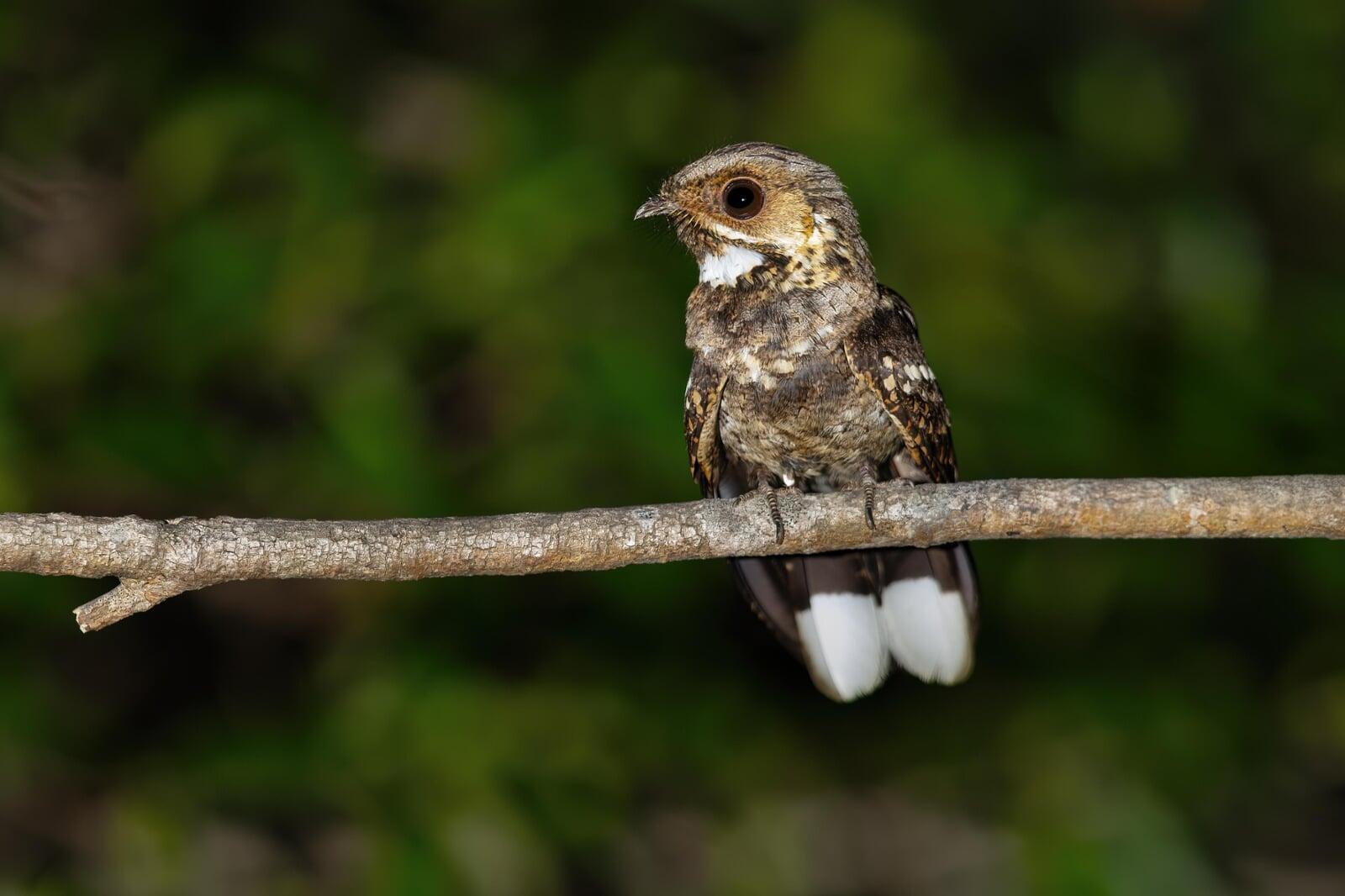
We called it a day when the thunderstorm started and went and checked into a hotel in Soe and had dinner. After dinner we returned to a nearby site on private land for some nocturnal work. Timor Boobook was straightforward and we heard several calling after a short walk into the forest. I had some initial success with photos and we also heard Timor Nightjar, so we switched to focussing on that pretty quicky. We successfully got quite close with the lights off using the thermal but when we turned on the lights it was occluded by vegetation and flushed immediately.
1 November - Fatumnasi: Ridge Forest, Camo, and a Rare Flycatcher
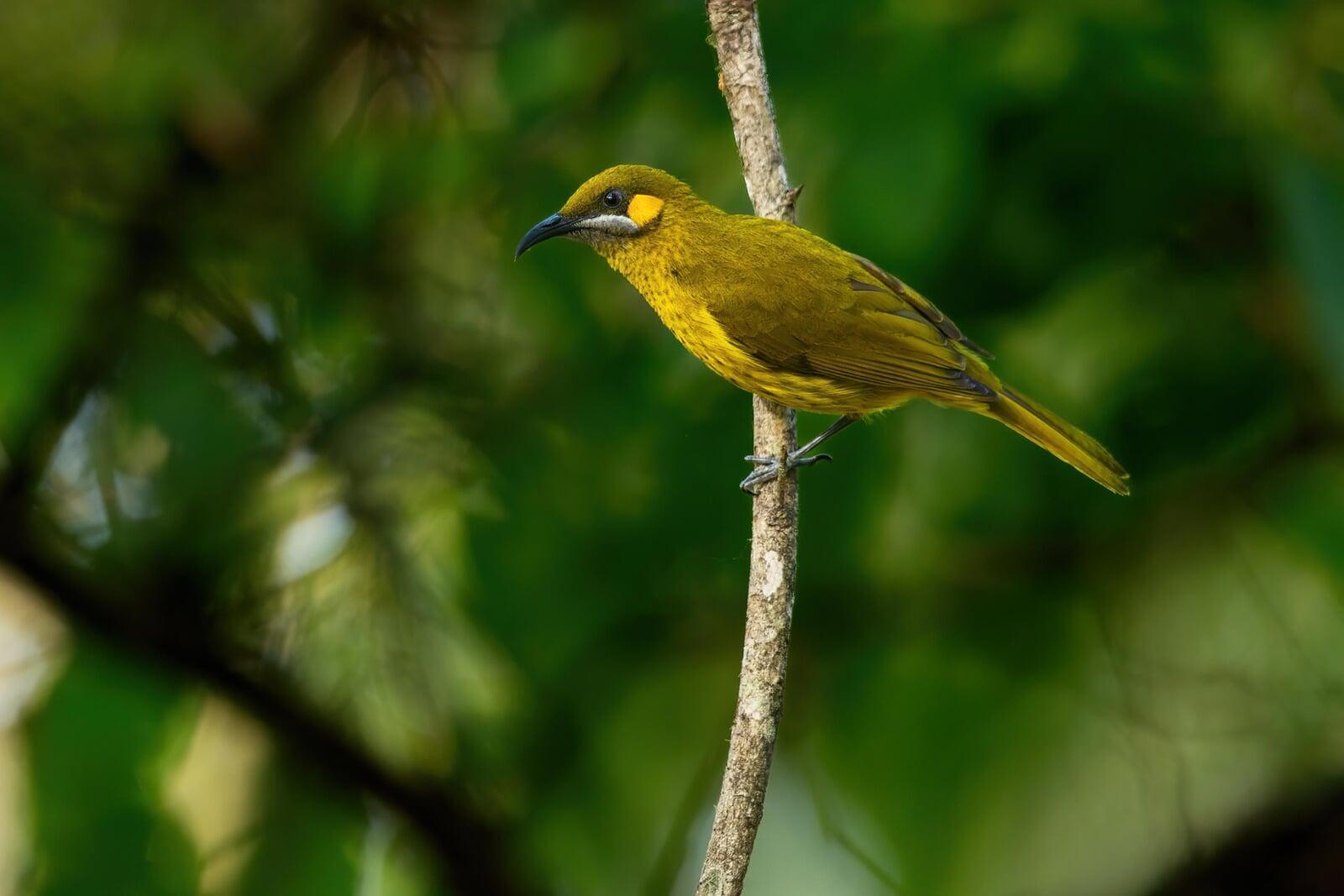
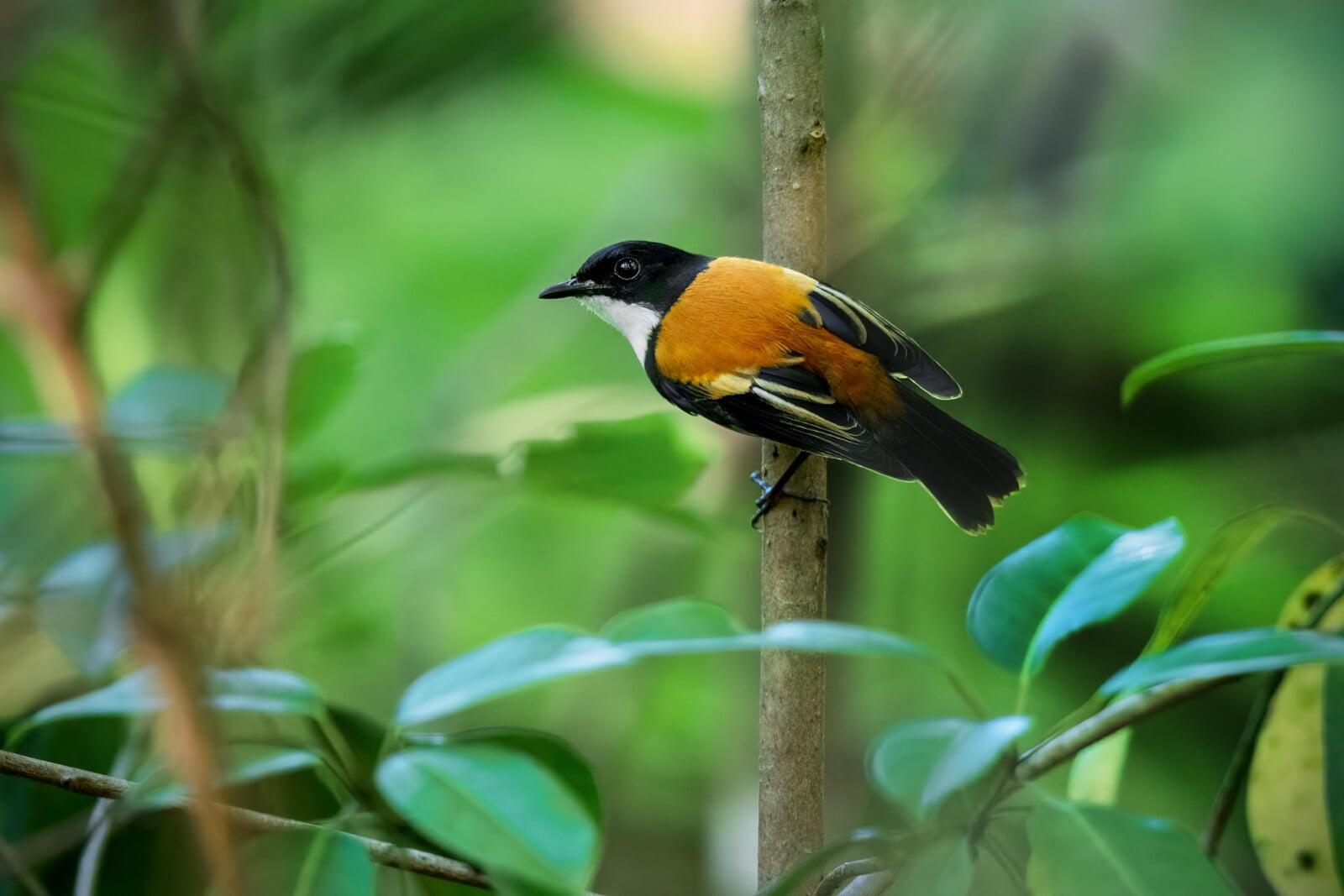
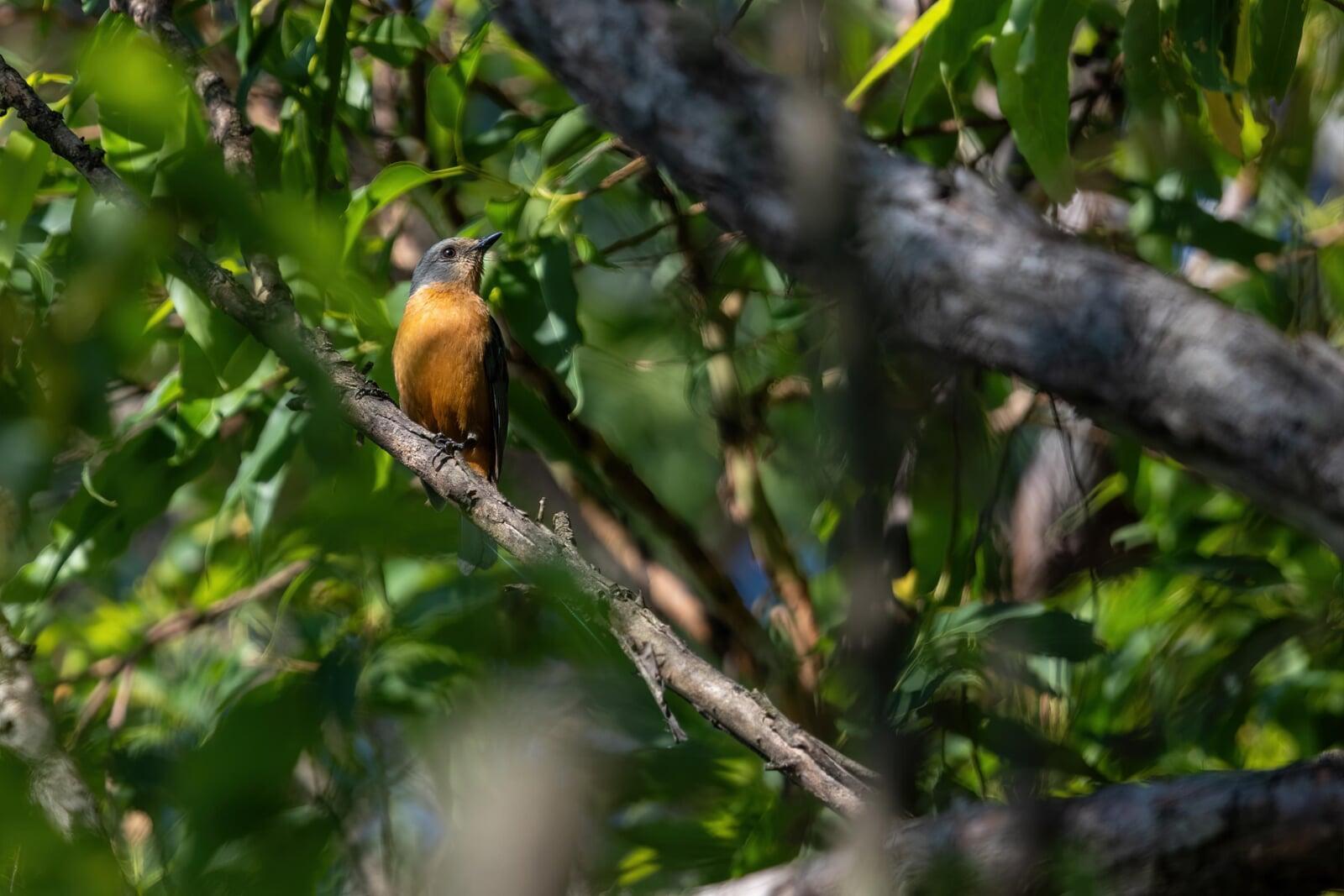
I spent approximately half the day laying prone under my camo hoping for Mount Mutis Parrotfinch - an undescribed form with only scattered records. This resulted in a sighting of two birds and quite a few Scaly-Breasted Munia, but I was not so lucky as to be able to take a photograph!
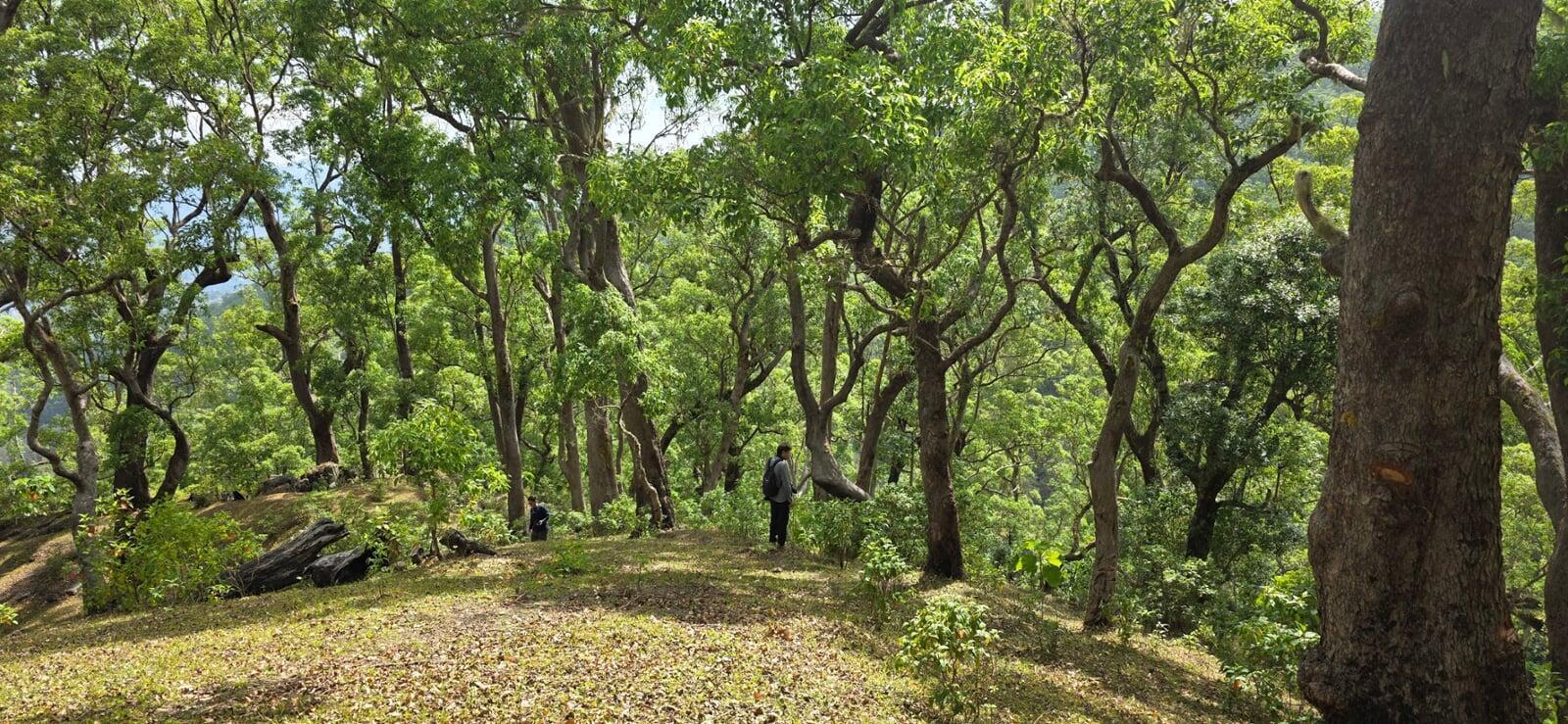
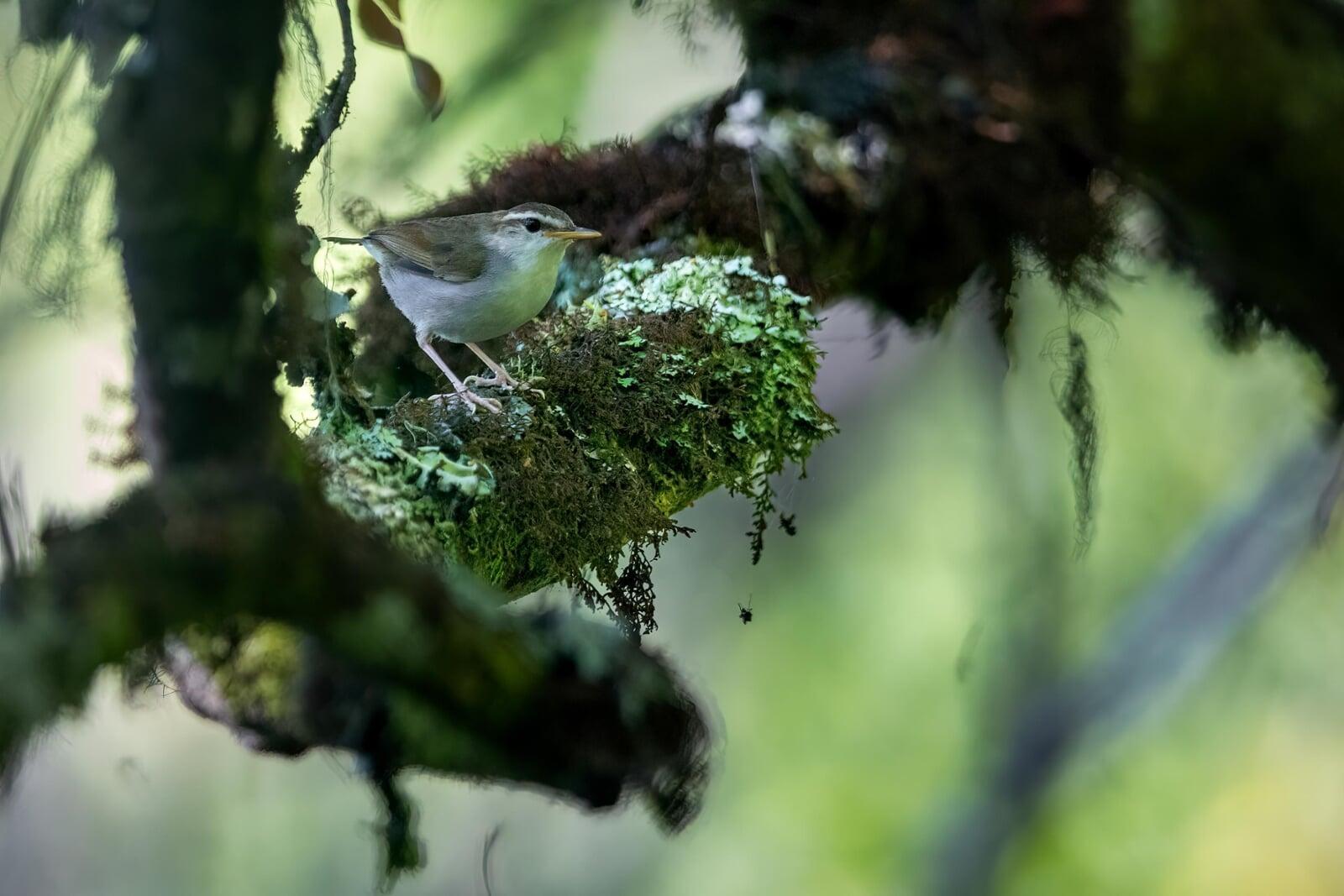
Other photographic highlights from this site included Timor Blue Flycatcher, Timor Stubtail, Plain Gerygone, Cinnamon-banded Kingfisher, Black-breasted Myzomela, Timor Leaf Warbler and some fairly average photos of quite a few other things. I think with an extra day and a bit less time trying for the Parrotfinch I certainly could have walked away with more photographs as it was a productive location.
In the late afternoon we headed back towards Soe and the site where we had seen the Timor Nightjar. We camped out the previous perch in the hopes that it would return and instead I saw it hawking for insects along the trail. We followed it for a bit but it was moving pretty quickly. It then proceeded to start calling somewhere deep in the forest. So we decided to wait back at the perch. After significant patience it returned, we lined everything up in the dark with the thermal, turned on the light and got the shot. Daris held my Canon EL-5 using a BeamMount Pro to hold the torch and flash in alignment.
2 November - Jalan Batu Putih and Bipolo: Lowland Targets
Dawn at Jalan Batu Putih was spent trying for species of drier open forest: Timor Friarbird, Timor Cuckoo-Dove, and others typical of the foothills. Very little came close but I scored quite a few lifers!
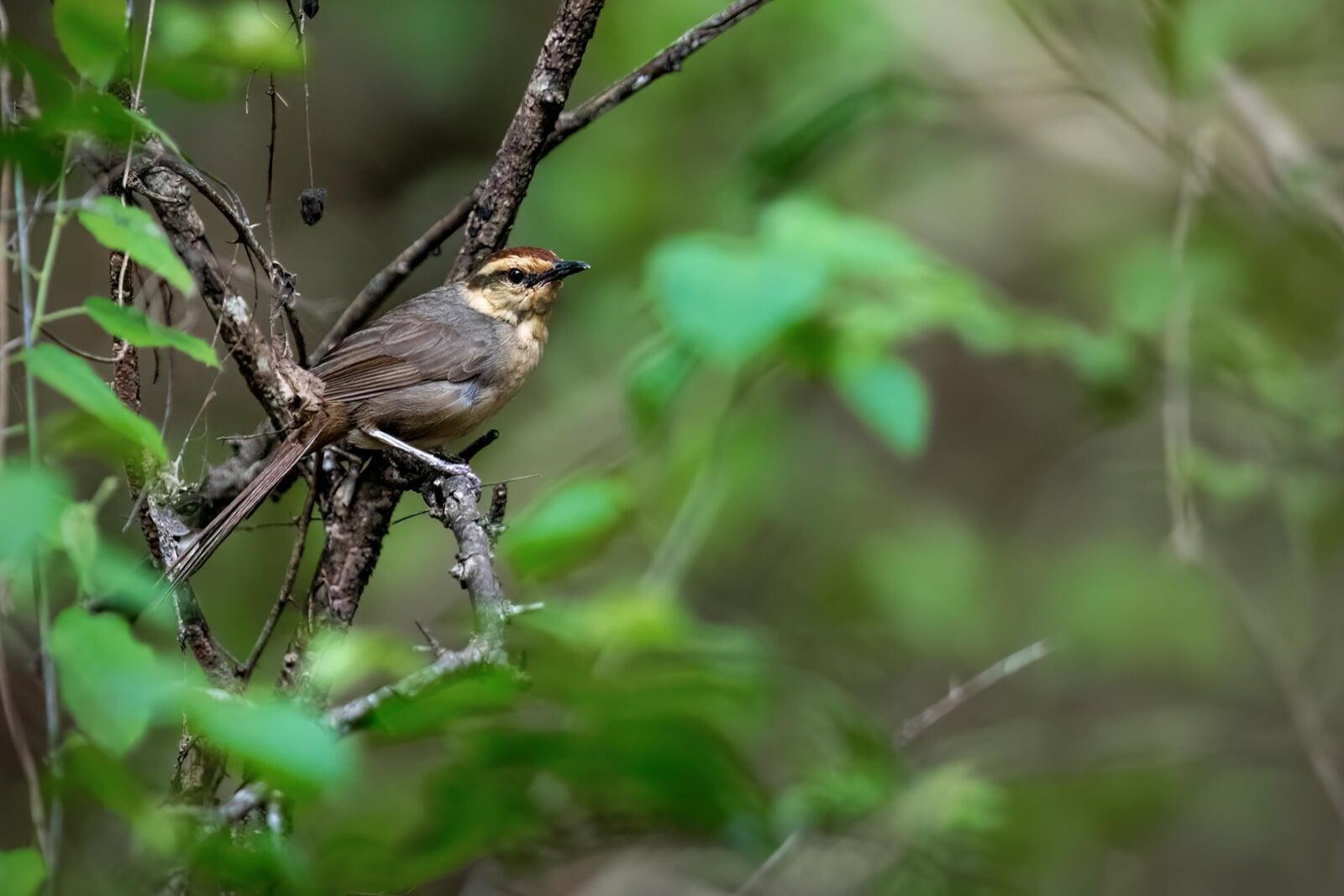
Later in the day we went to Bipolo Forest. This location was hotter than the highlands and more altered - large trees and tracts cleared, teak being processed at roadside sawmills on the way in, and extensive rice paddies which had replaced woodland in the decades prior. The rice paddies did result in Timor Sparrow and Five-coloured Munia though, and we spent some time there after unsuccessful Flame-breasted Sunbird, Orange-banded Thrush photographic attempts.
3 November - Noelbaki and Flight to Sumba
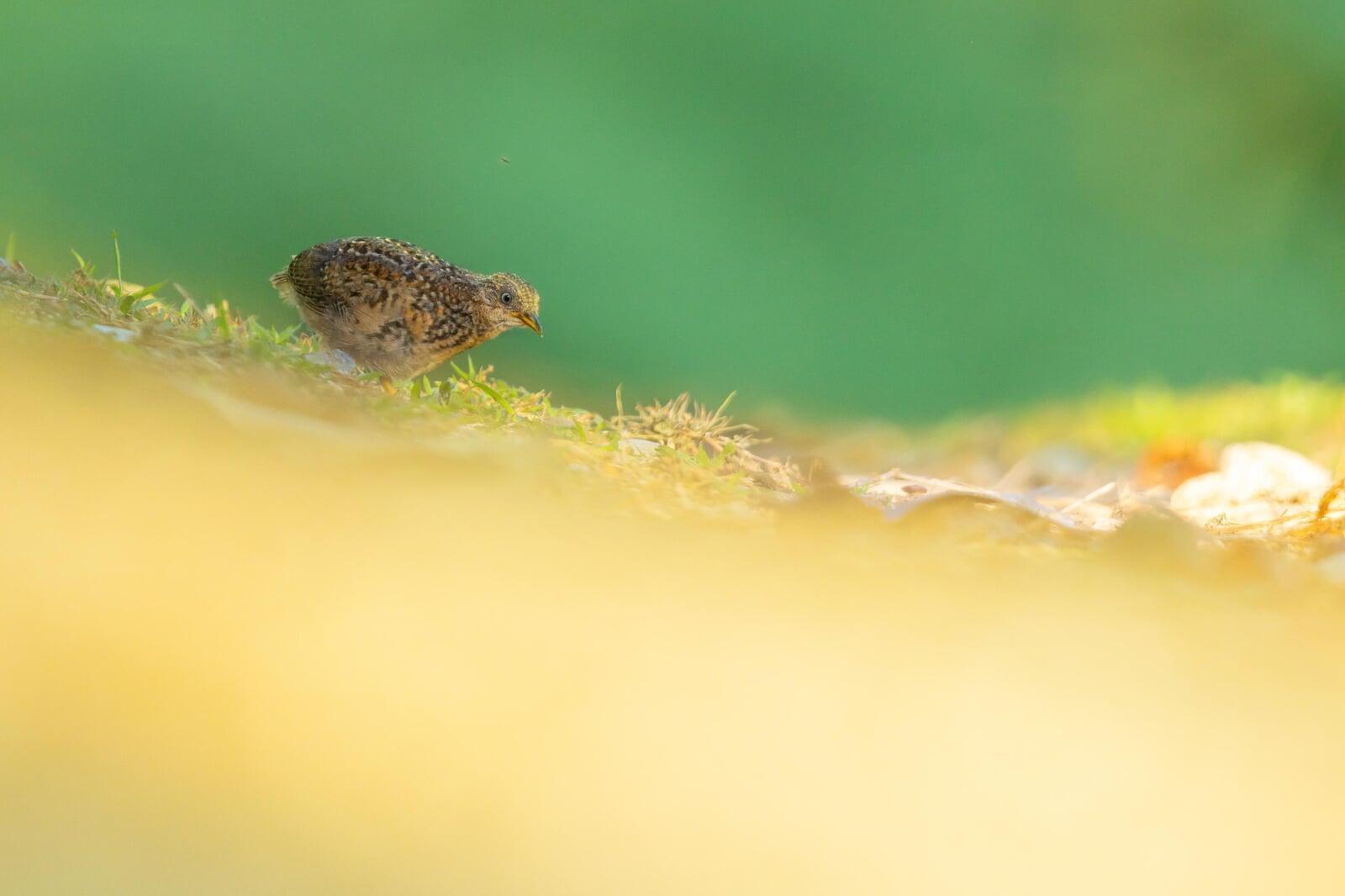
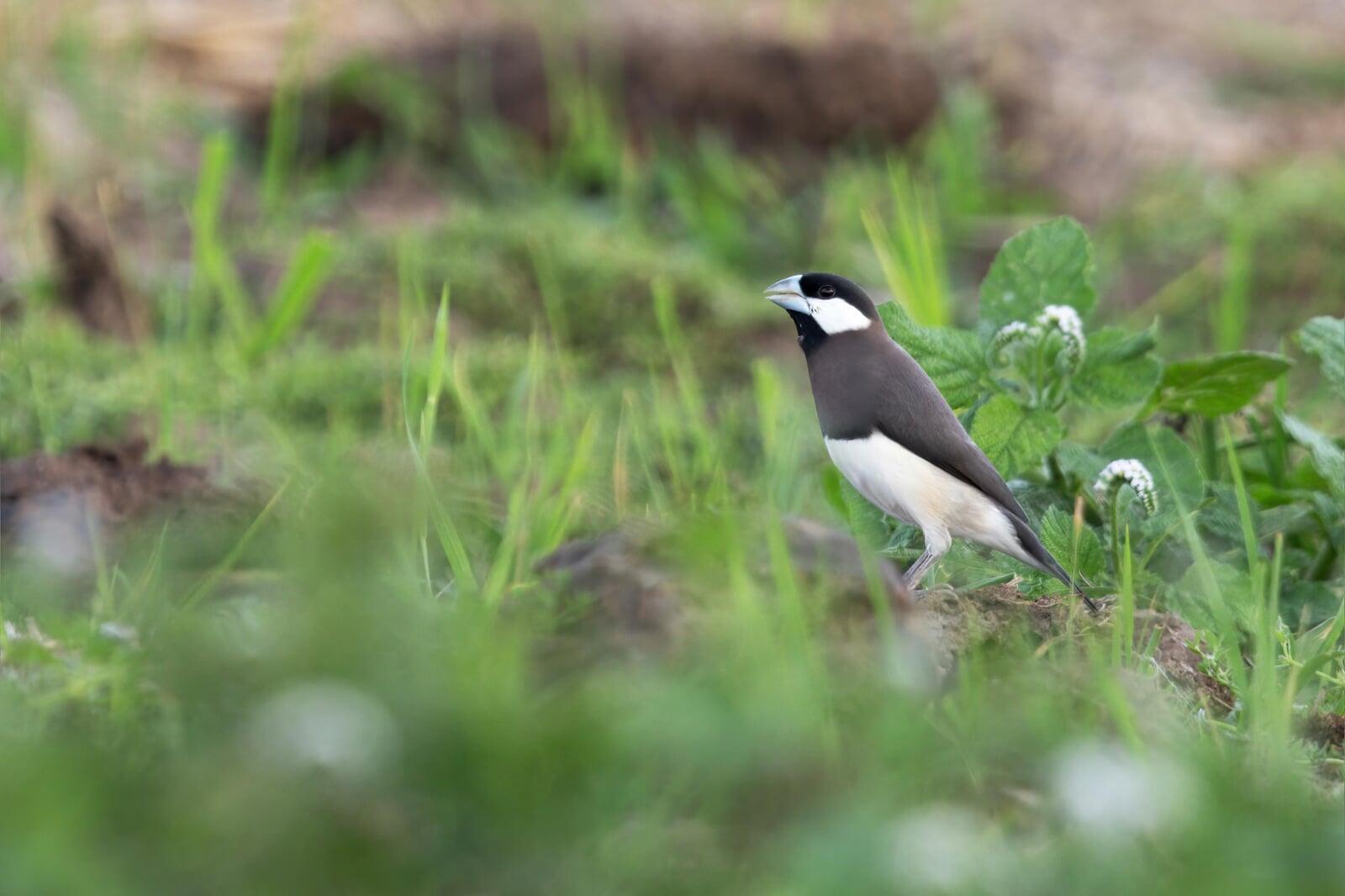
Our final Timor morning at Noelbaki focused on Flame-breasted Sunbird, but although we located the birds, none allowed close photography. I did photograph a Pale-headed Munia and had some luck photographing a Red-backed Buttonquail.