
In September 2026, my wife and I spent a three days birding around Johannesburg on our way to Madagascar. There are no direct flights from Australia to Madagascar, so we had to stop somewhere, and South Africa seemed like an obvious choice - I have never birded in Africa before. Although we looked at transiting to e.g. Cape Town or Kruger National Park, we ultimately decided to avoid burning days and instead bird some reserves within driving distance of Johannesburg.
Trying to balance things like leave budgets and cost, we ended up with three full days available. We hired a Toyota Yaris Cross and stayed near O.R. Tambo International Airport, which gave us reasonable access to the reserves south, east and north of the city. We visited Marievale Bird Sanctuary, Suikerbosrand Nature Reserve, Rietvlei Nature Reserve and Dinokeng Game Reserve. Across the three days we recorded 119 species, of which 104 were lifers. Not a bad result for a short stopover!
One of the more interesting aspects of birding in South Africa was how familiar much of it felt. The wetlands, grasslands, blue skies and even some of the birds reminded me of Australia. Having never birded in Africa before, new bird families such as francolins, widowbirds and weavers were particularly interesting, as were all of the mammal species that we saw.
Marievale Bird Sanctuary
Our first morning was spent at Marievale Bird Sanctuary, a wetland reserve southeast of Johannesburg. The reedbeds and shallow wetlands were similar to those found in Australia. We arrived shortly before the advertised opening time and were able to enter a few minutes early - the staff at the gate advised we should just pay on the way out. Being the first vehicle through the gate was worthwhile, with birds including Common Waxbill and Swainson's Spurfowl feeding close to and on the road on the way in.
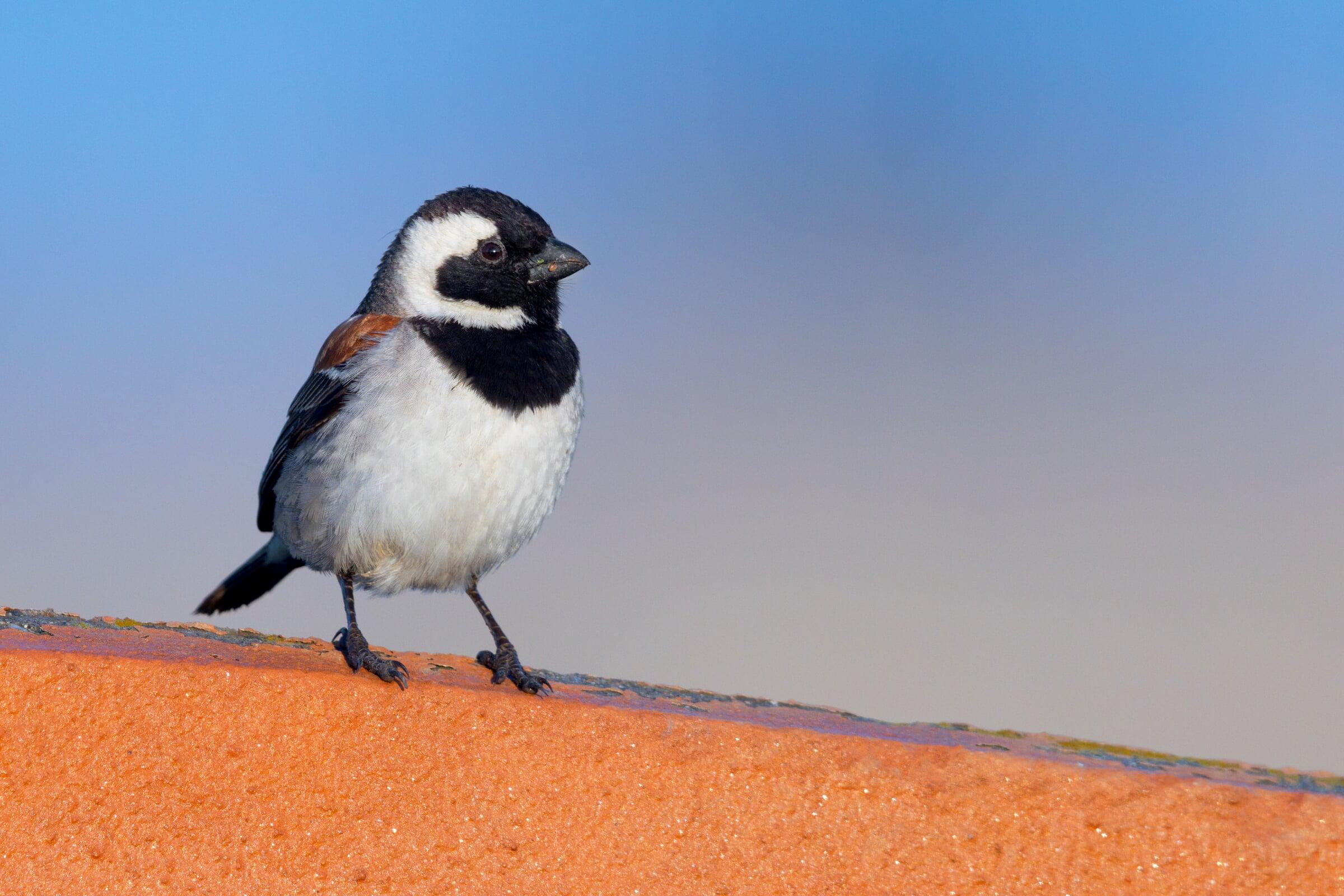
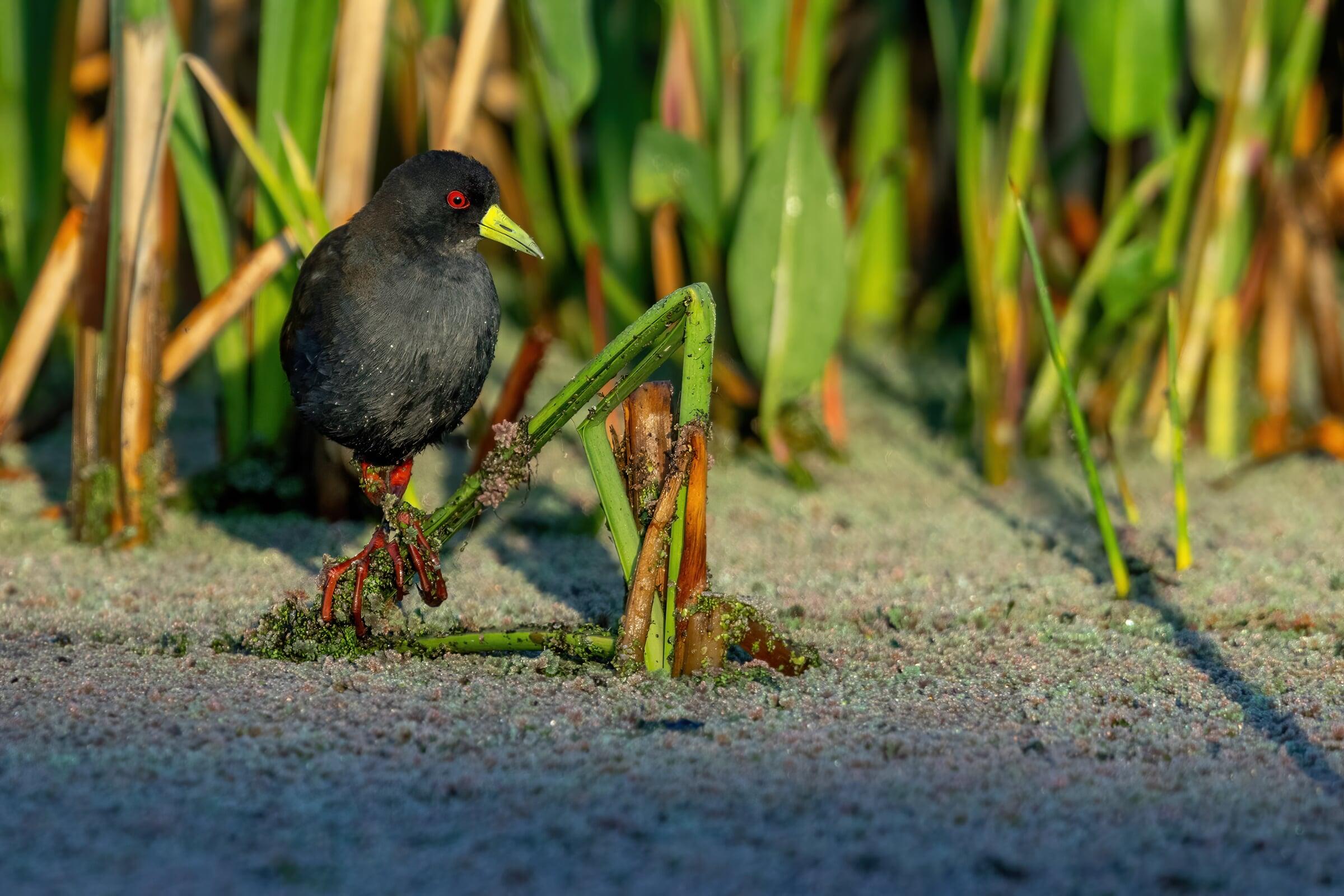
We started at Haneda Hide, which was well oriented for photography in the morning light. I quickly racked up photos of quite a few new-to-me species including Black Crake, White-throated Swallow, African Swamphen, Blacksmith Lapwing and a Cape Sparrow on the fence outside the hide.
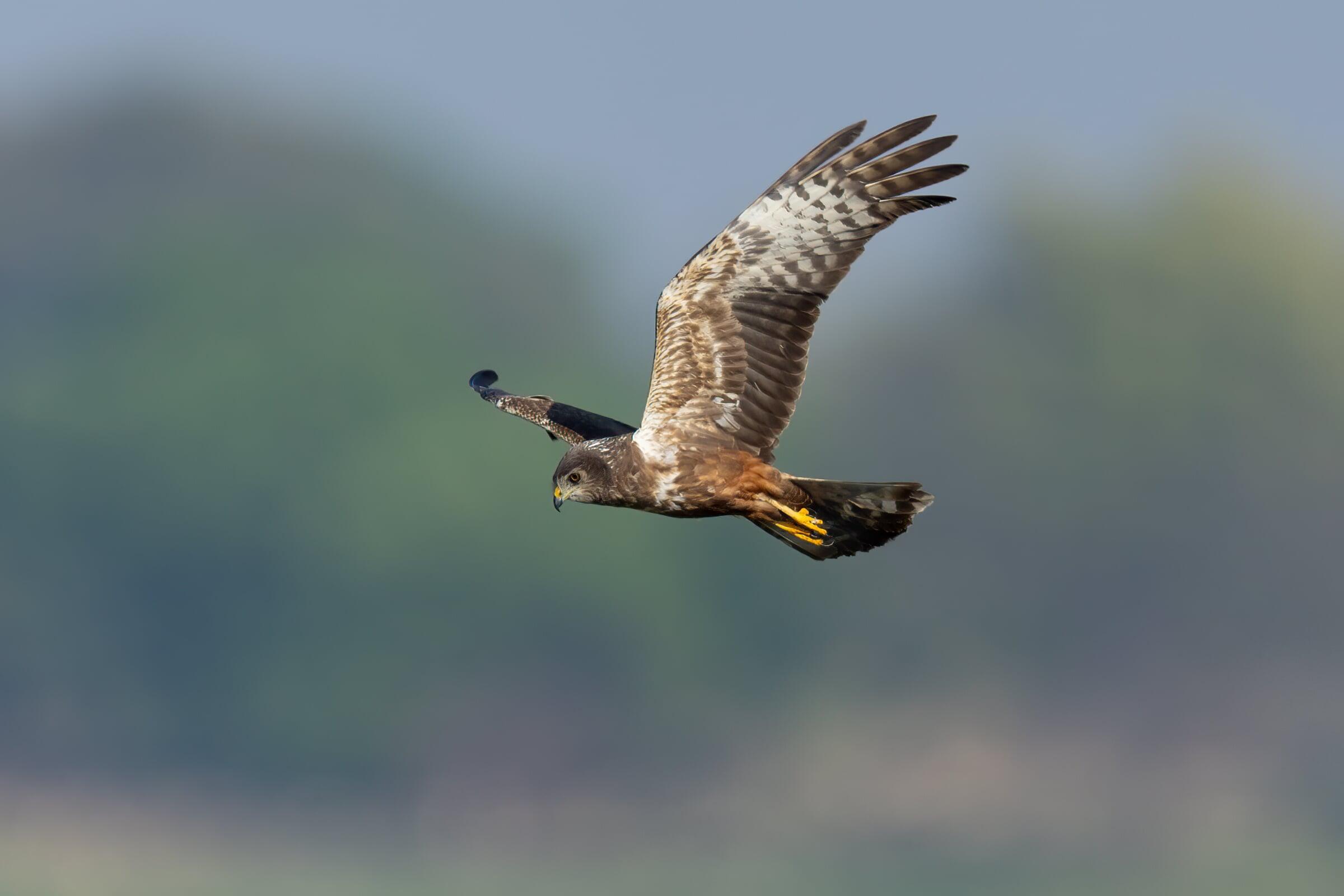
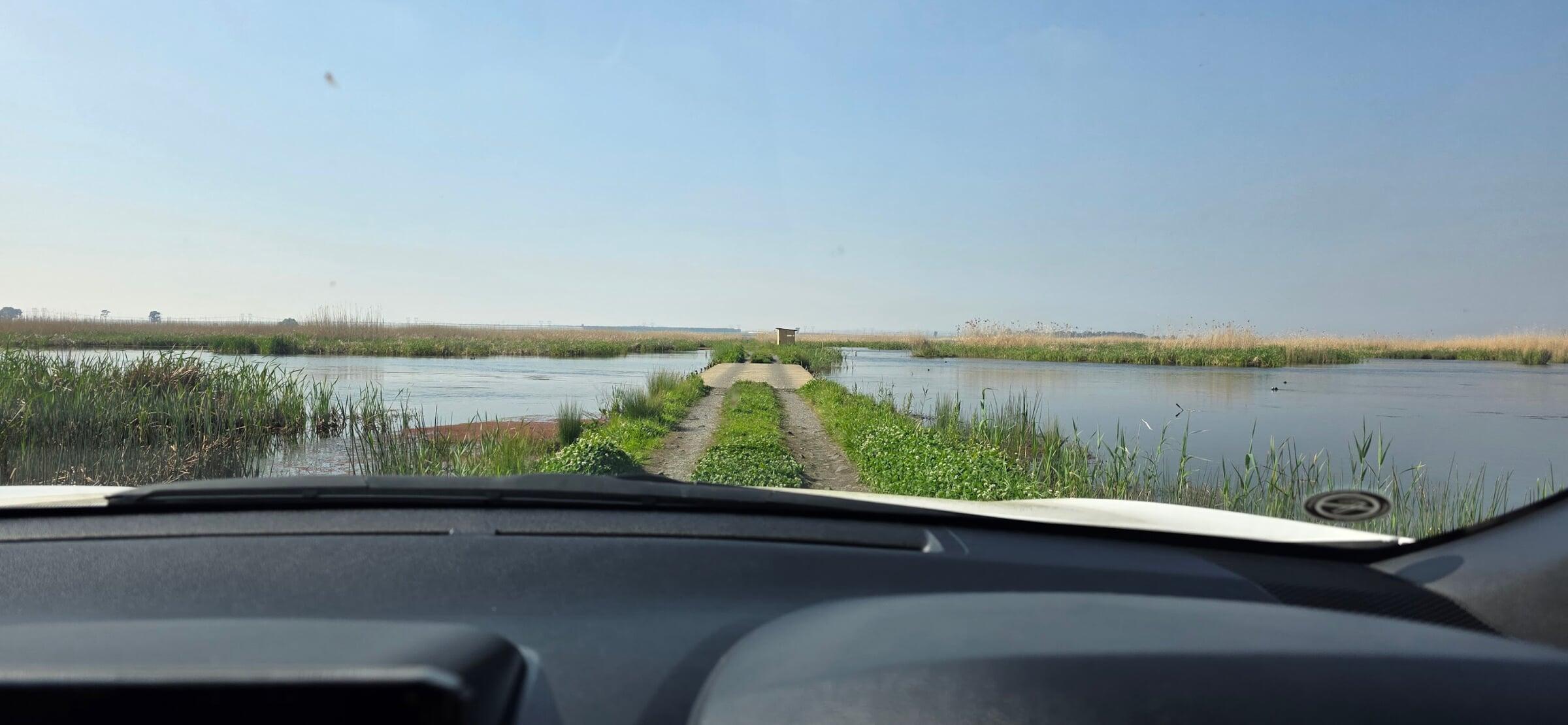
The next stop was Otter Hide. We drove there slowly and took photographs from the car seeing species including Cape Shoveler, Little Grebe, Black-headed Heron, Cape Wagtail, African Marsh Harrier, Egyptian Goose and many others.
By around 10am we decided to head back to the hotel and nap for a few hours. We were both pretty fatigued having woken up at about midnight local time due to jet lag.
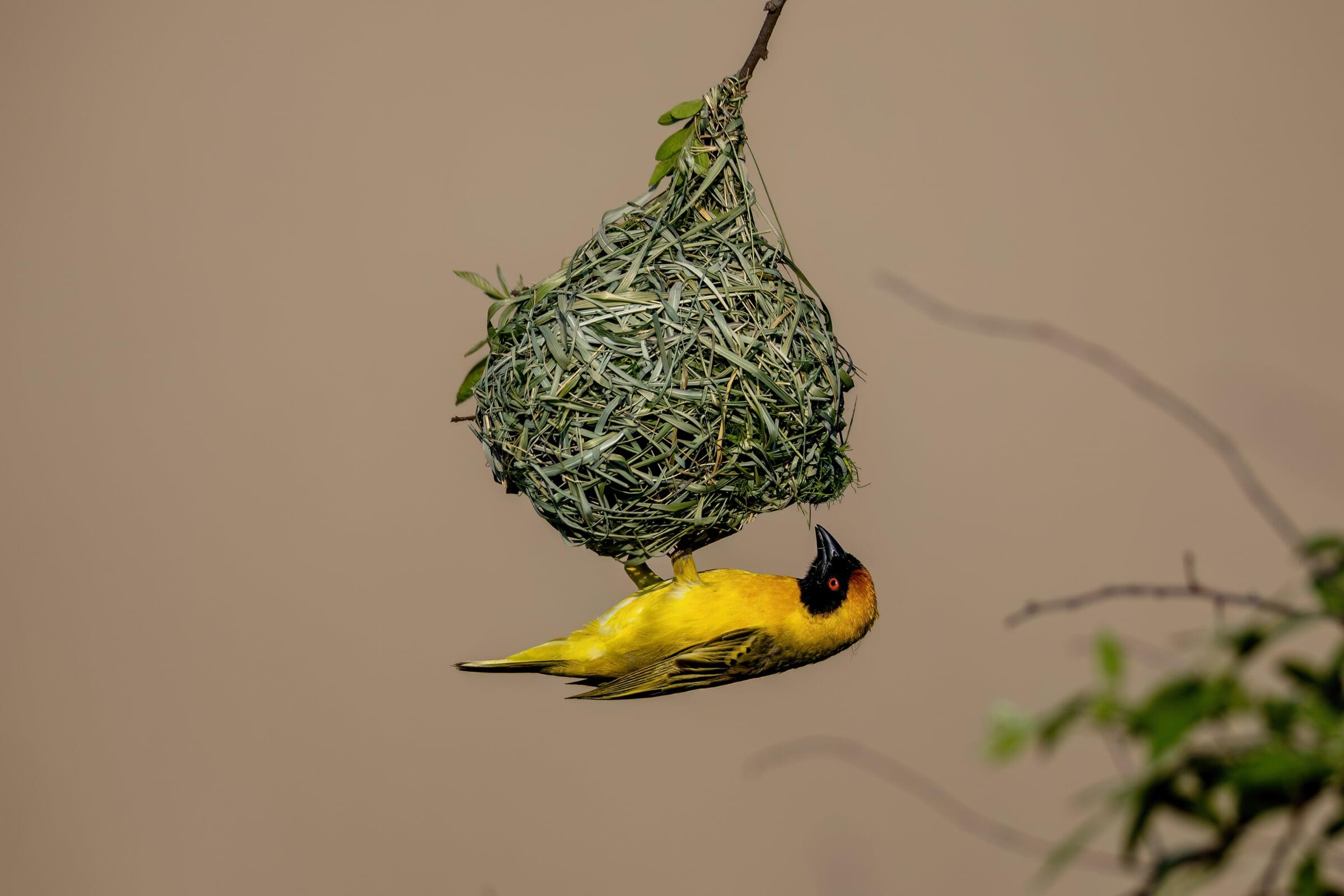
I used the Canon EF 600mm f/4L IS II for most of the morning, occasionally adding teleconverters for more distant subjects. The relatively open habitat and opportunities to photograph from fixed positions made the longer lens a good choice. The Yaris Cross wasn't exactly spacious, particularly with large camera equipment, but it was adequate for the reserve ground clearance wise.
It would have been amazing to spend a few days here taking shots with the camera low on the water with a floating hide, but leaving the vehicle wasn't permitted except at the stationary hides, and all the flights and transfers would not have been fun with the additional equipment!
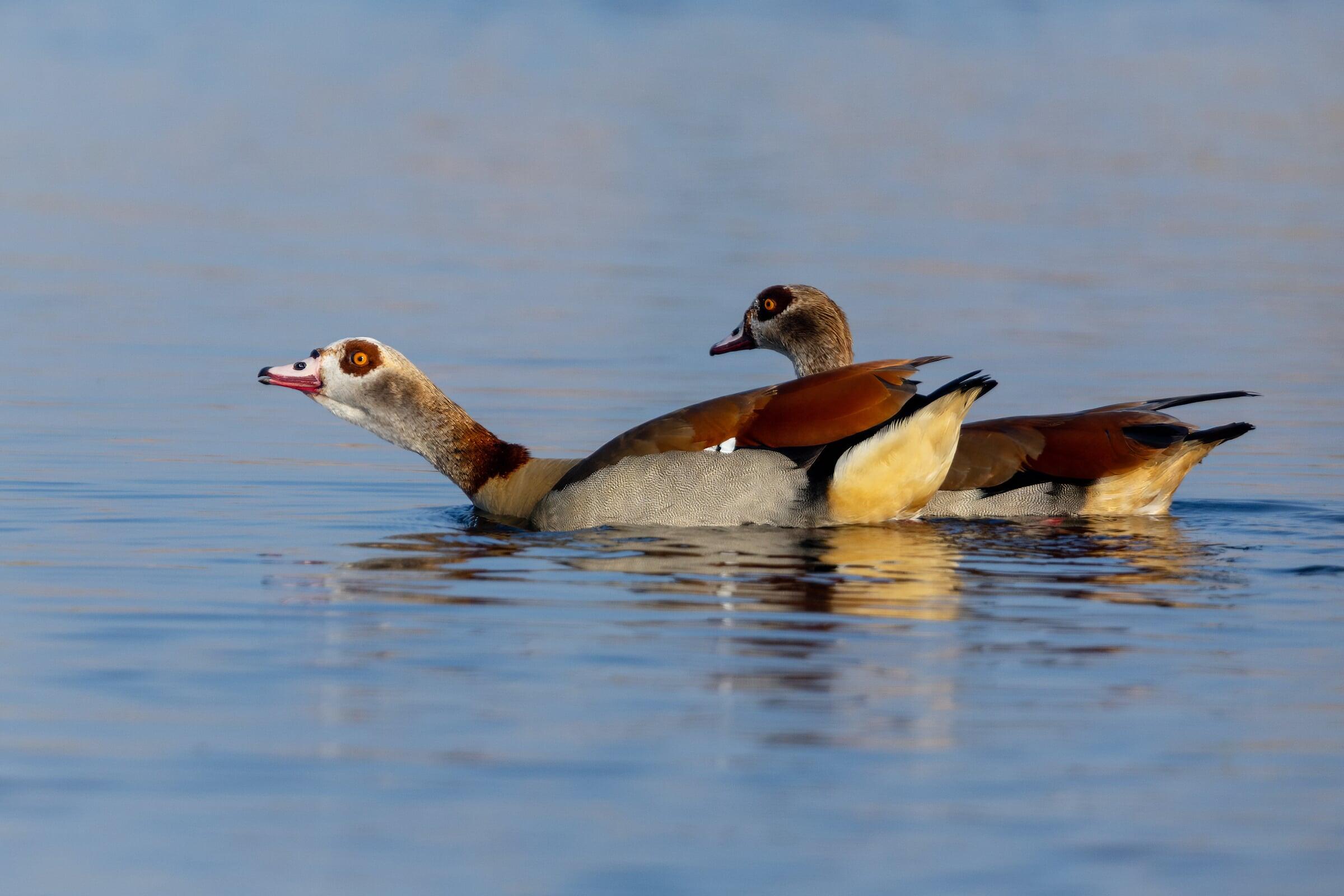
We recorded 51 bird species during the morning. For someone visiting southern Africa for the first time, Marievale was an excellent introduction to the region's wetland birds.
Suikerbosrand Nature Reserve
Rietvlei Nature Reserve
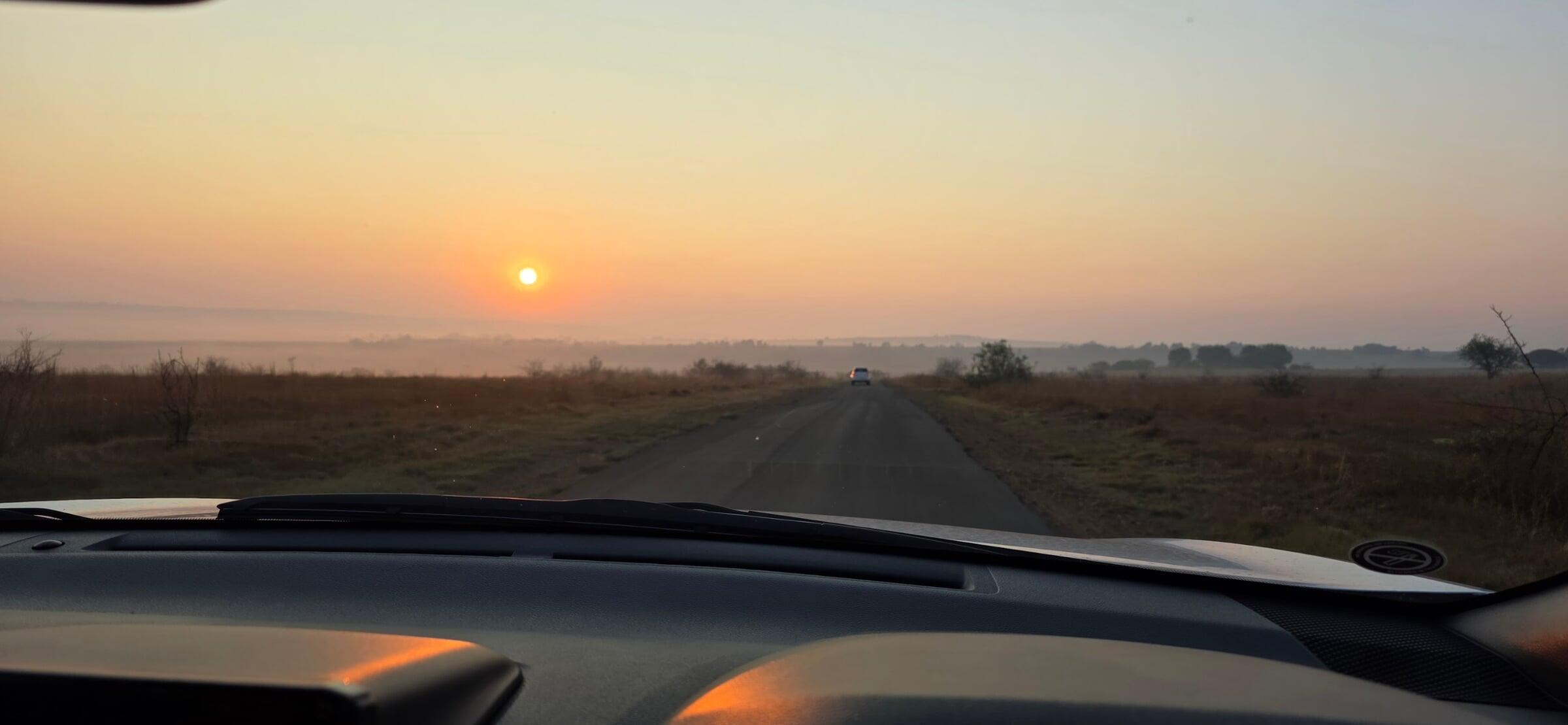
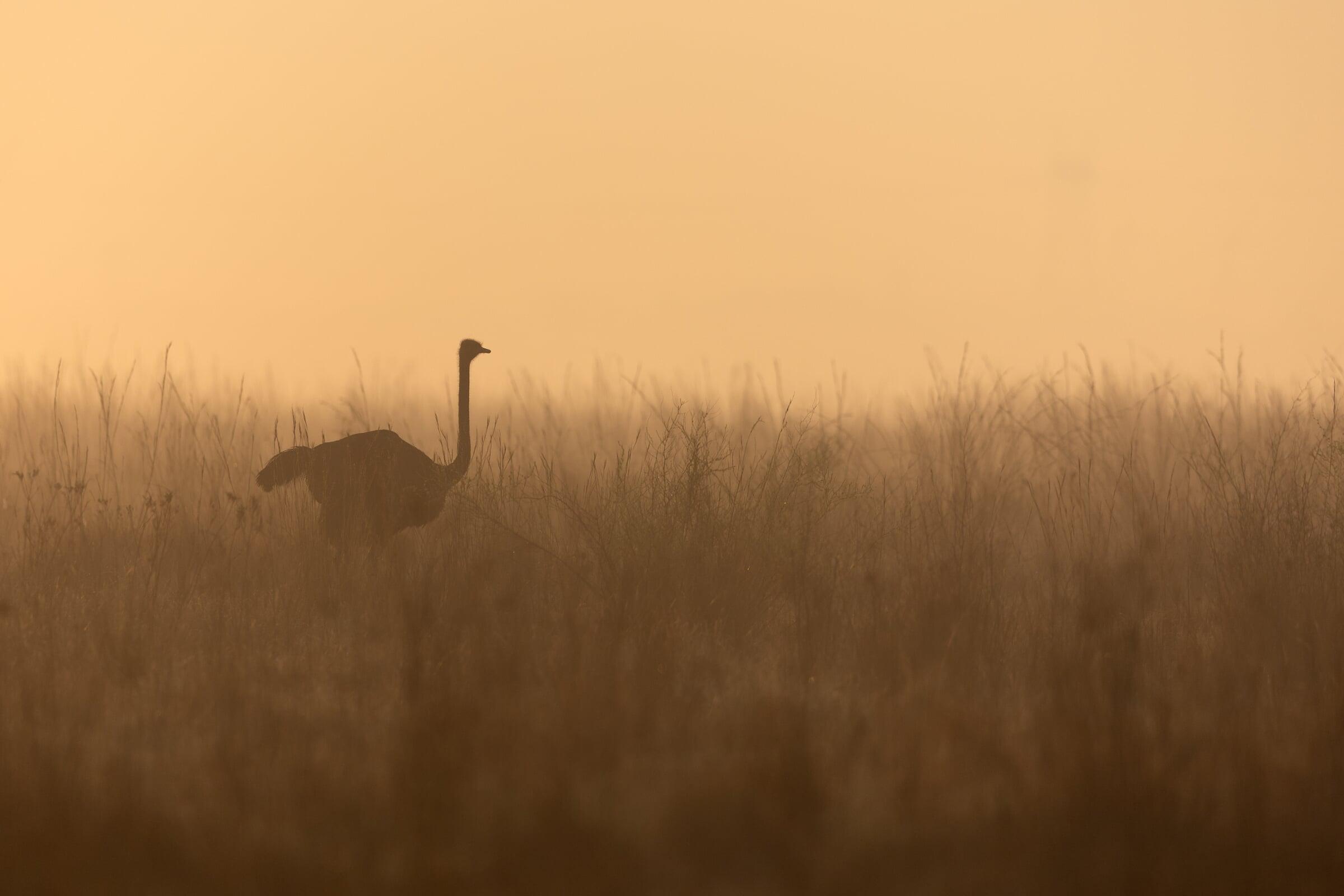
There was pretty quickly some excitement from mammals and ostriches, and I tried to take advantage of the foggy dawn light, trying to work quickly to avoid wasting it!
After some time driving we tried to stop at the coffee shop to stretch our legs, but it wasn't open. So we continued along the road and got out at Marais Dam instead. At the dam there was almost immediately activity in the car park, including Arrow-marked Babbler and Fiscal Flycatcher. The dam itself was also busy with various species as well. I heard a few Kurrichane Thrush too, but it was hard to get good views. We also tried to look for common hippopotamus, which we could hear but not see, and I took the time to record a few common species with my TalonFab 300 parabolic microphone, testing out a new mount for a Clippy EM-272 in the process.
On the face of things bird photography and recording audio compete for time and attention. But I've found the optimal times for each vary. For example, recording is unaffected by poor light later in the morning, and a dawn chorus can make it harder to isolate the call of any particular species even though the light is often nice then.
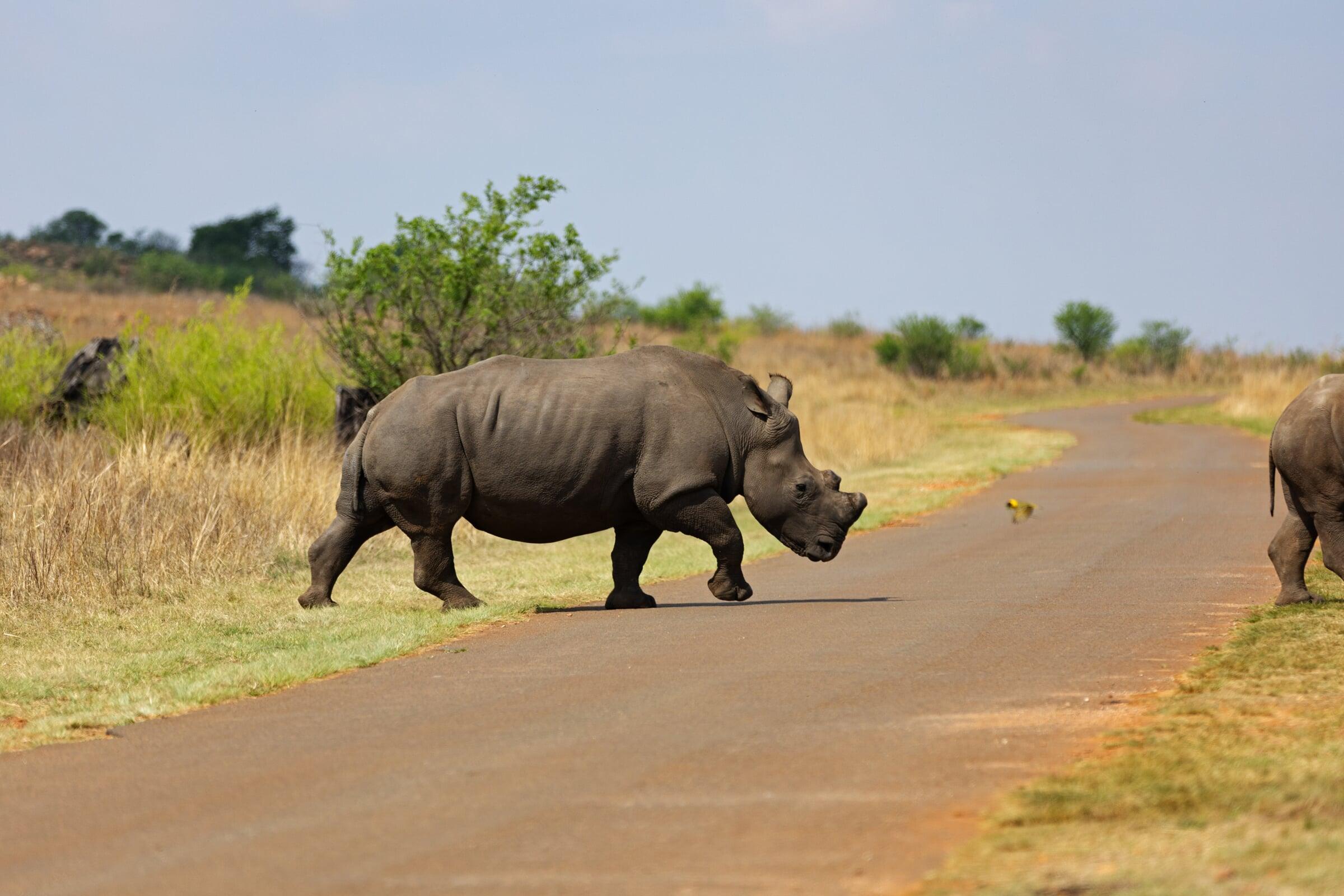
After breaking outside the reserve at Irene Village Mall for lunch, we returned and I noticed a pair of White Rhinoceros near the coffee shop. They were obscured by vegetation but I was able to successfully predict their movements and get a photo of one crossing the road.
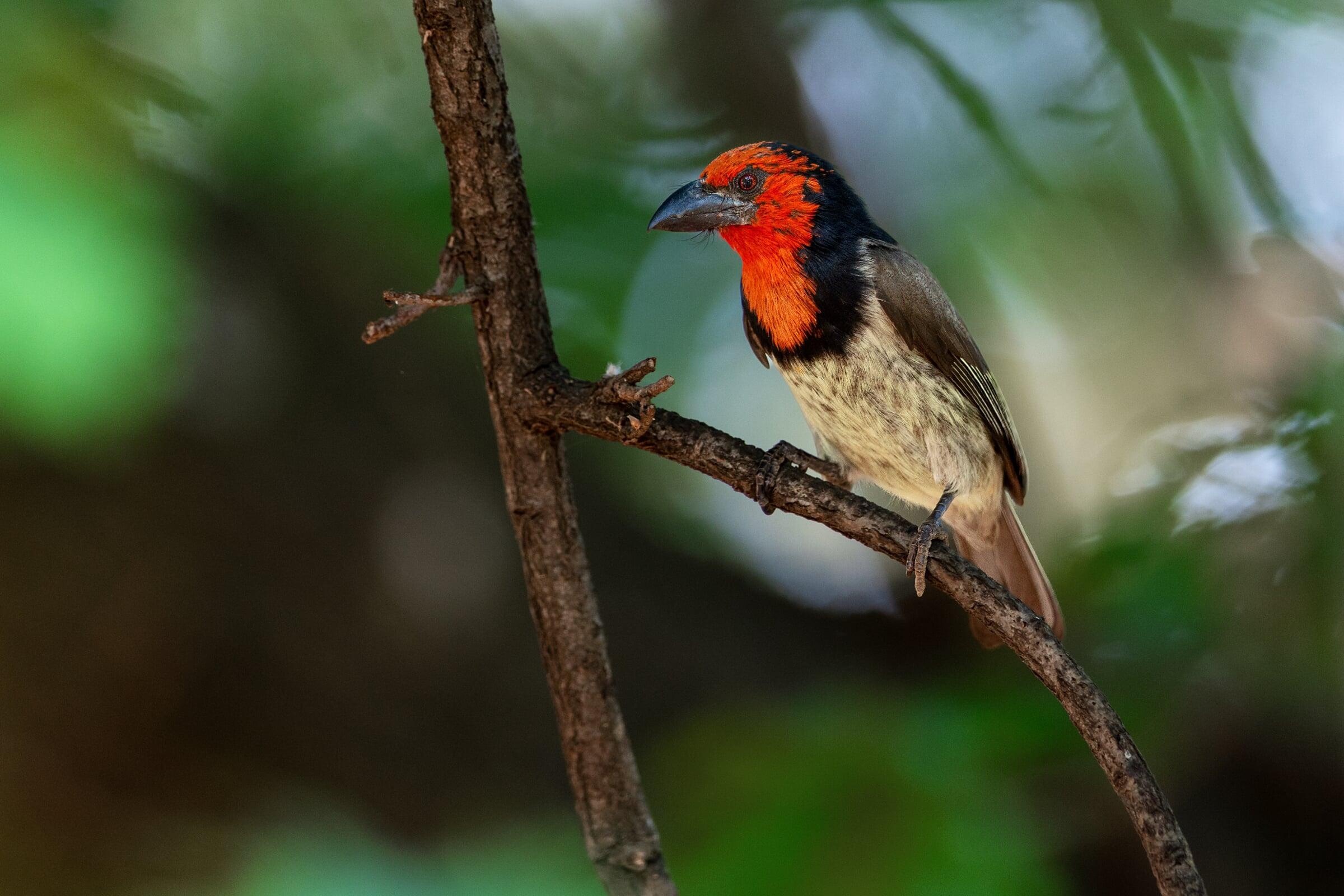
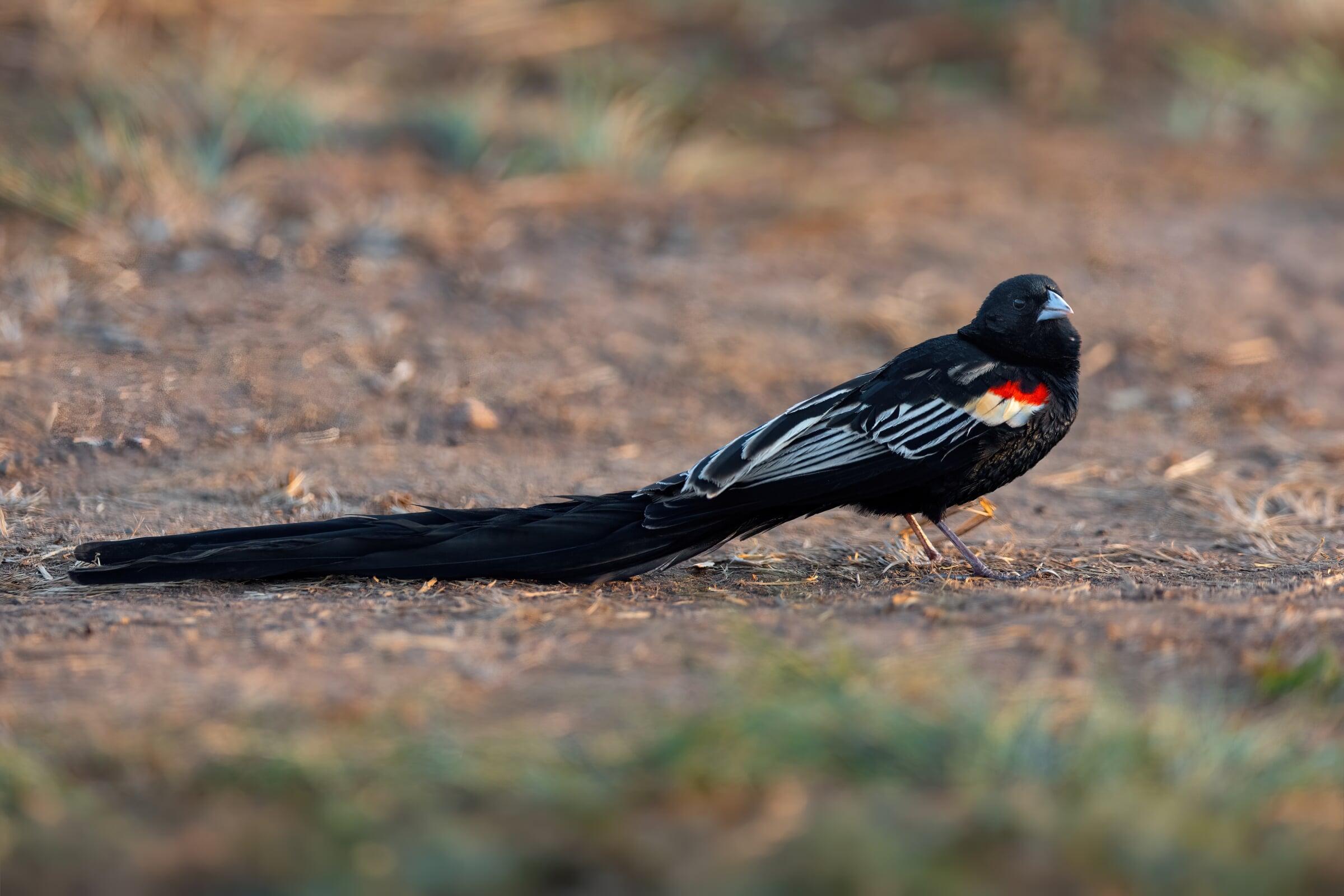
After the coffee shop we started driving slowly towards Marais dam again, spotting two distant Rhinoceros again in the distance and photographing species including Cape Robin-Chat, Southern Red Bishop, Rufous-naped Lark, Long-tailed Widowbird and Orange-throated Longclaw on the way. After this we kept driving around the reserve, and eventually had a break at the Island View Hide. Here a confiding Cape Wagtail was flying in to the hide with us to capture insects, and I took some time to record and photograph a Lesser Swamp Warbler which was active feeding close to the hide.
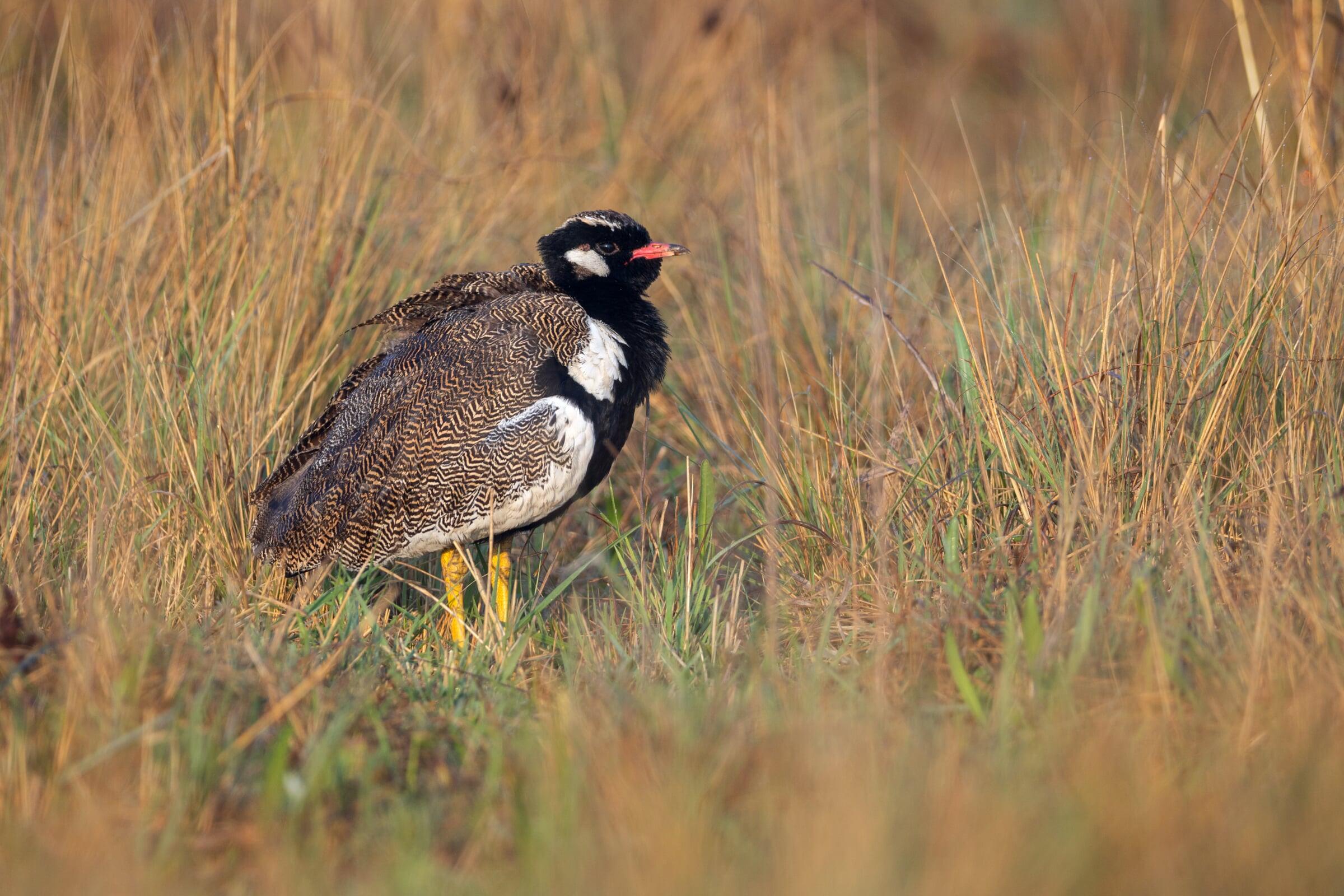
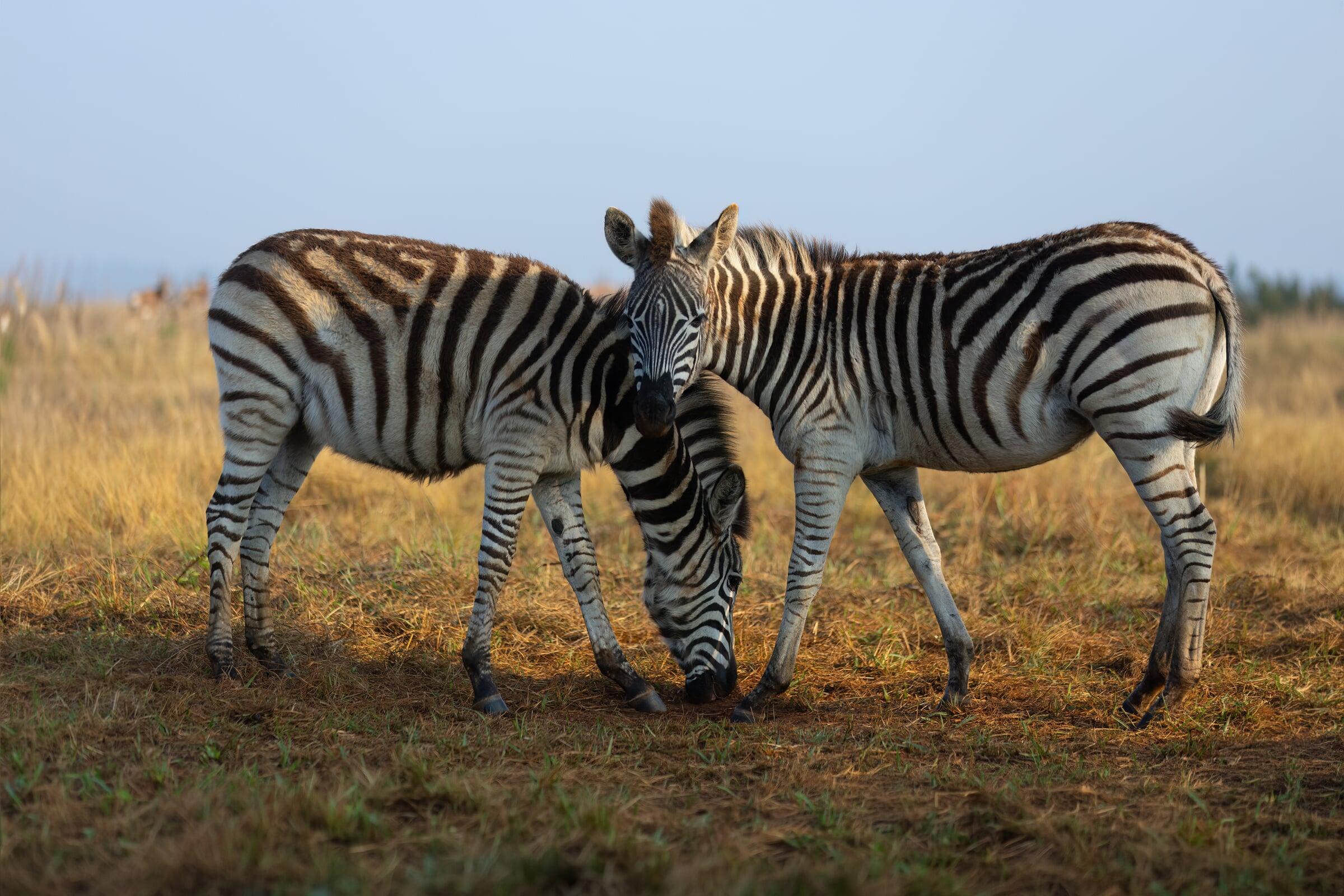
In the last part of the day we returned to the White-quilled Bustard area, locating another bird, but further from the road than in the morning. We saw Spotted Thick-knee sitting in the grass which was cool, but it wasn't really possible to photograph it well since getting out of the car was prohibited. The last part of the day was spent taking more mammal shots, including Burchell's Zebra, Blesbok, Red Hartebeest, Black Wildebeest and Springbok. We were quietly hoping to see the resident Cheetah but this did not eventuate!
Dinokeng Game Reserve
Our final full day was spent at Dinokeng Game Reserve, north of Pretoria. This was a slightly longer drive from the airport than the other locations, but still very manageable and under an hour and a half either way.
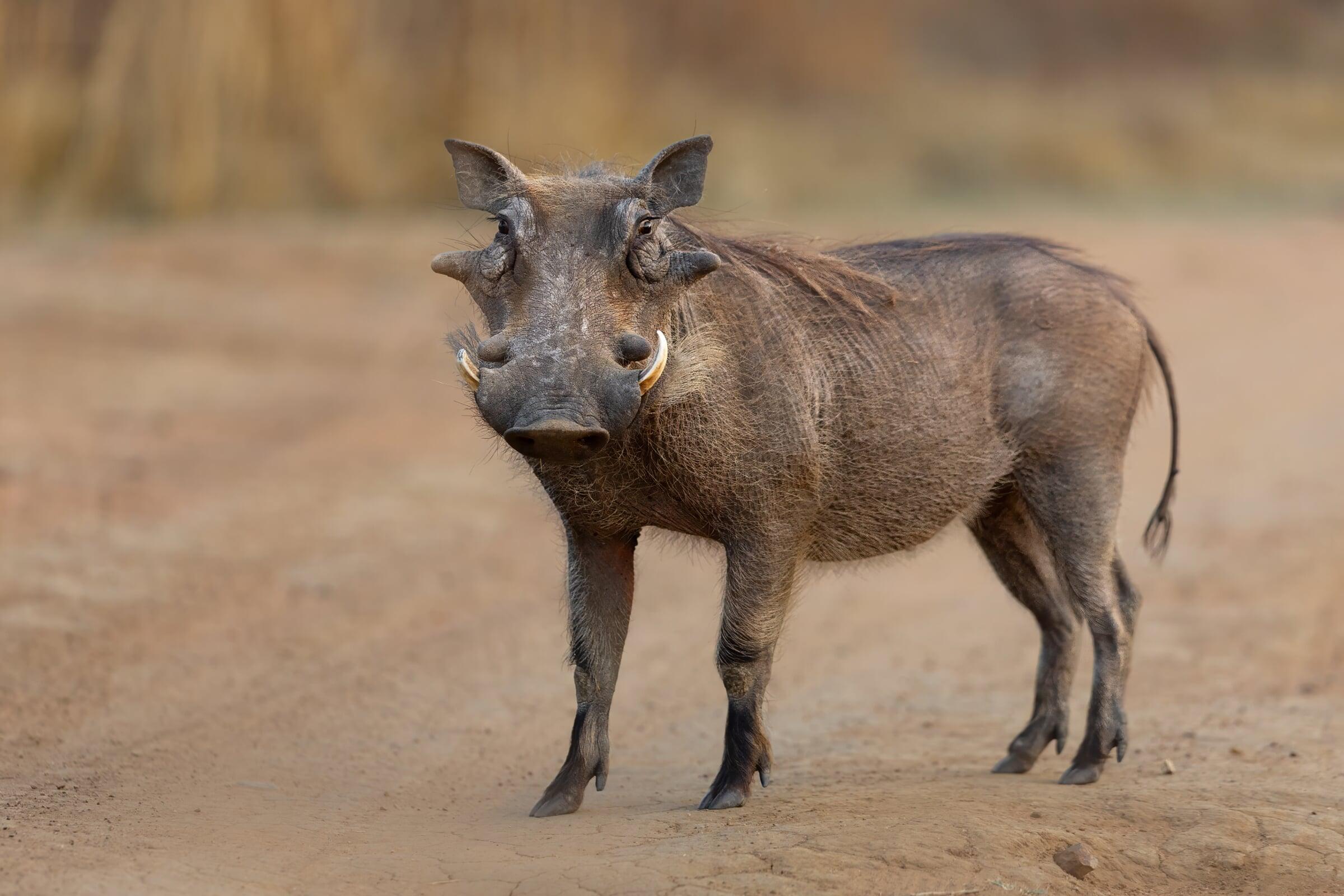
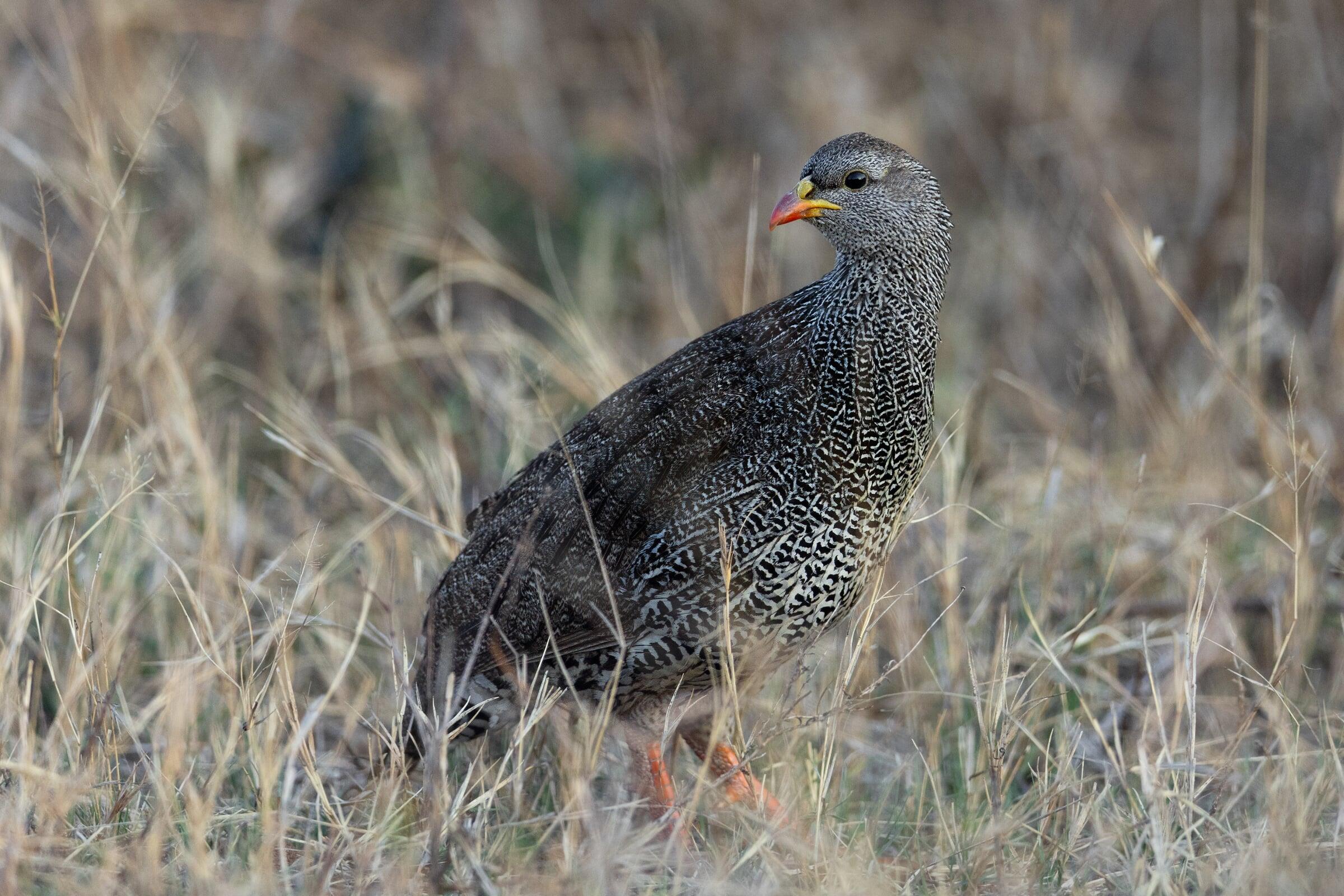
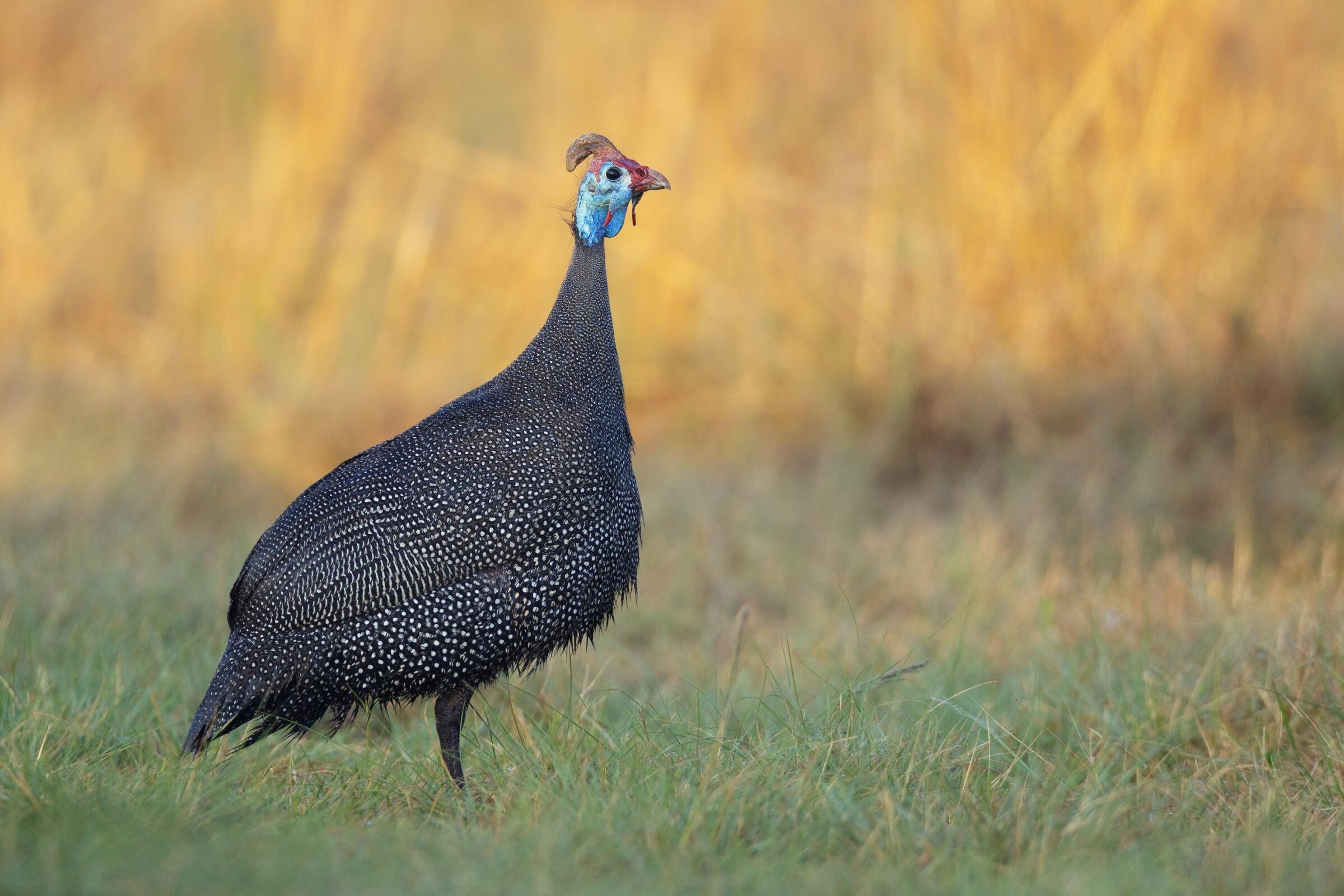
From Ndlovu Gate we took the first self drive turn left (marker 500) and made our way slowly up towards the main road on Tau Gate (marker 489). We almost immediately encountered a Black-backed Jackal, but I mucked up the camera settings. This was soon followed by Southern Warthog and then a mixed group of Crested Francolin and Natal Spurfowl. Once we hit the main road, we turned back on to a game trail, travelling gradually towards Tambotl road (marker 404 on the map). Overall we saw more mammals than birds, but Brown-hooded Kingfisher and Southern Red-billed Hornbill were both cool to see for the first time.
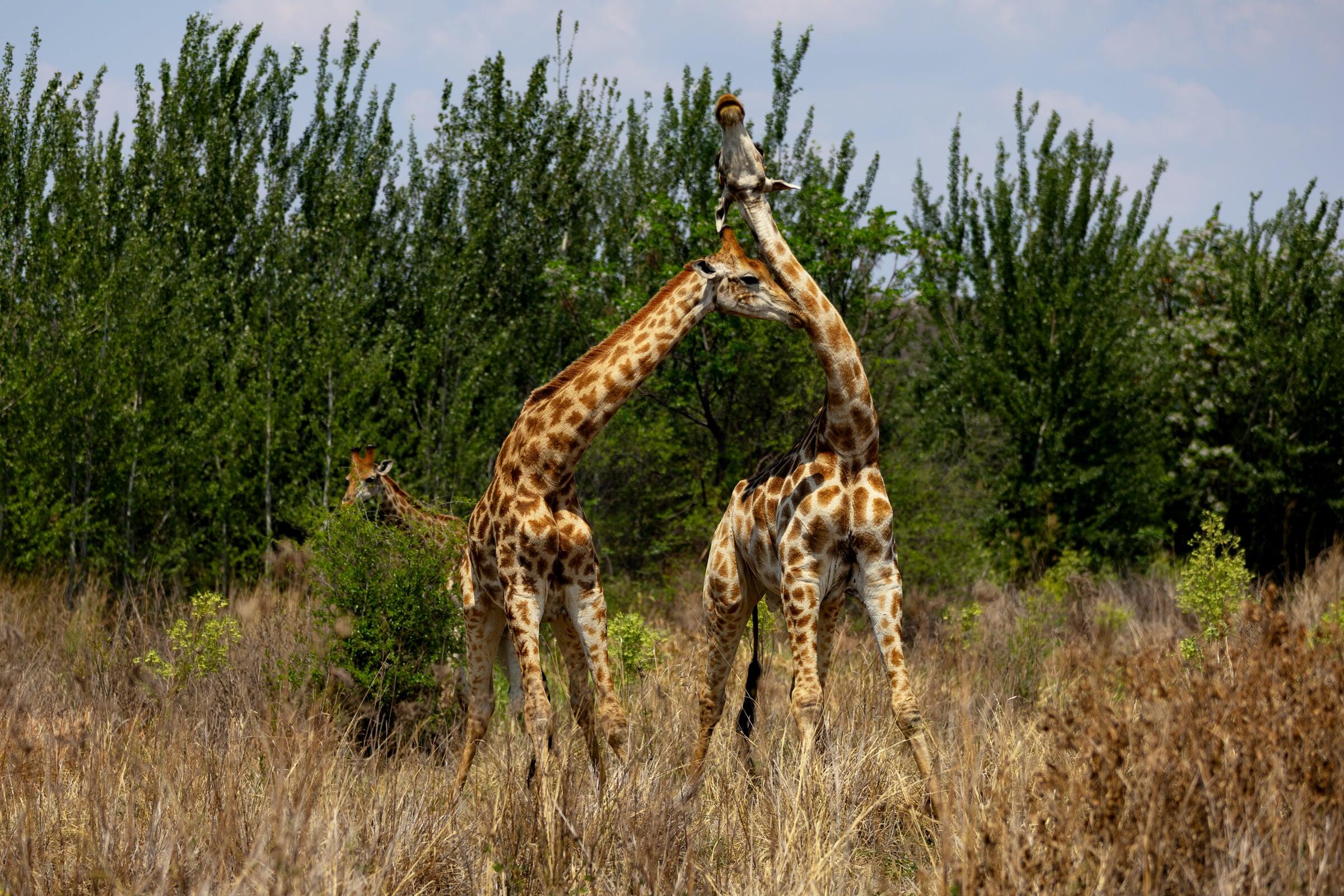
After zig-zagging around for a while we eventually went to the picnic area at Fischer Dam and had a bit of a walk around in the fenced off area seeing species including Groundscaper Thrush and White-bellied Sunbird. After the break we kept driving along Rooibank road, then to marker 411 and due south down to 313. Aside from the herbivores, we encountered another Black-backed Jackal here, as well as a nicely posing Southern Rock Agama. As the day got later, we headed further east, here we quickly started to encounter Giraffe. At the Riverside picnic site this included a large group of perhaps 20.
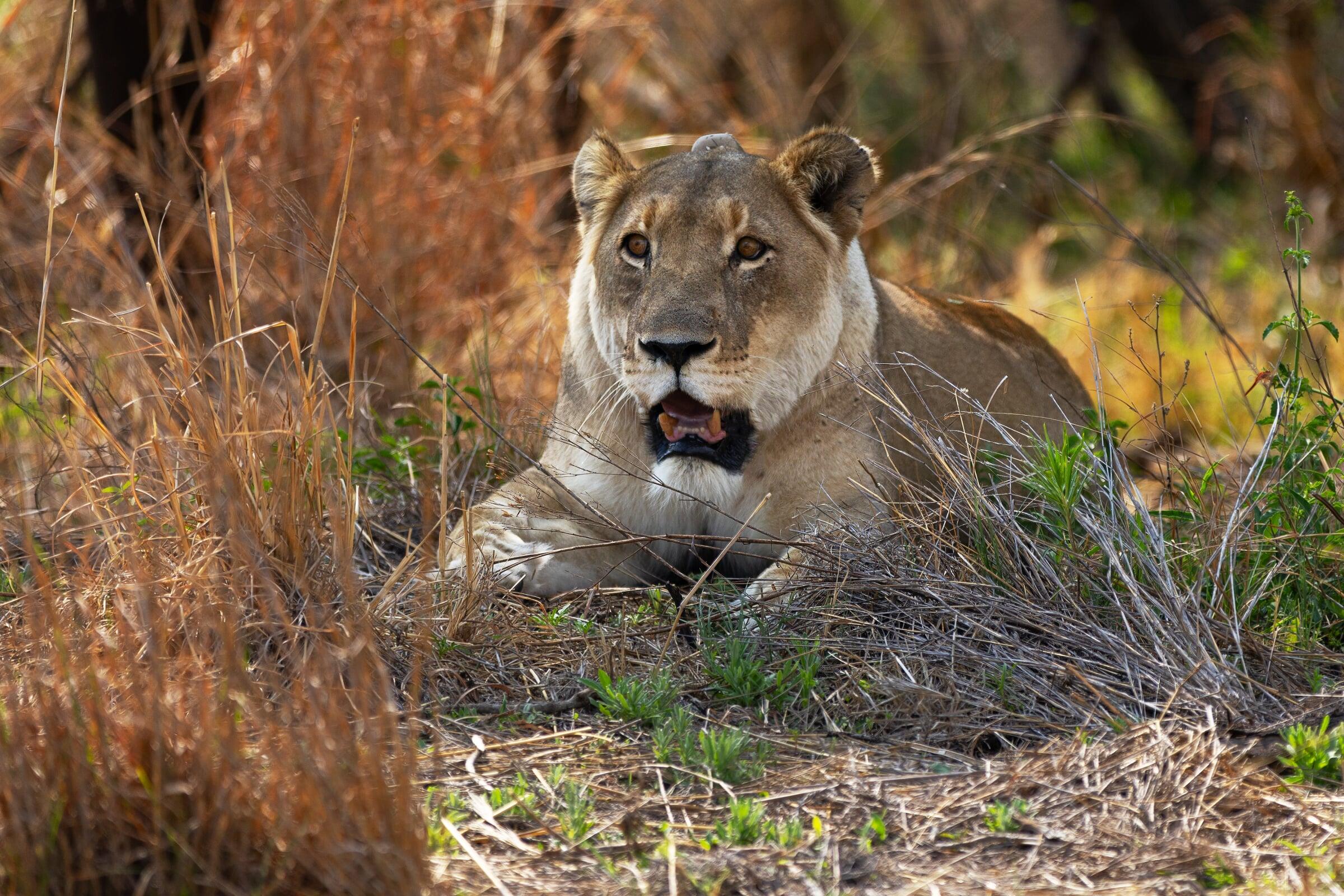
After breaking for brunch, we drove the far eastern part of the reserve. We got out at a hide on a small pond at one point. Eventually we found ourselves at marker 446 where we found a distant common hippopotamus - something we'd missed seeing the previous day at Rietvlei. Things were pretty quiet from a birding perspective by this point and we decided to go and have a second meal. On the way to the restaurant we noticed a group of cars stopped on the main road between markers 401 and 426. I decided to drive slowly behind them to see what the fuss was about - it turned out to be a lion on the side of the road. I woke my wife up and u-turned and we took a quick photo in a gap between some of the other vehicles before moving on!
After lunch, we were also able to see Water Buffalo from the same road - there was a wetland area with two individuals visible down below. We spent almost the entire available opening period in the reserve, gradually birding our way back towards the exit with a small time buffer.
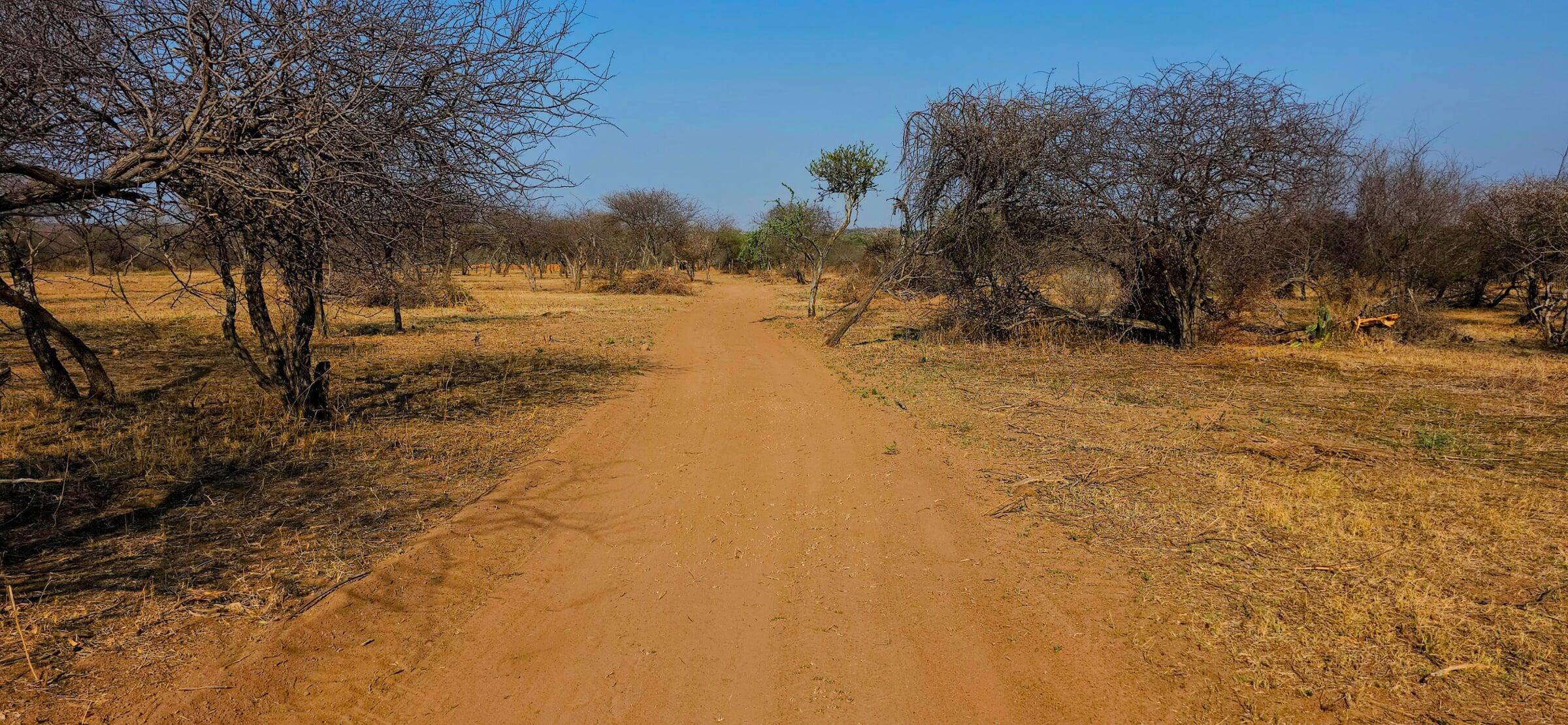
Over the day, we covered a large area - a good sample of the whole reserve I would say. For photography, staying overnight inside Dinokeng would probably be preferable. Having to reach the gate before closing places some constraints on where you can be late in the afternoon, when the light is often at its best.
Driving and Practical Considerations
We stayed near Johannesburg's O.R. Tambo International Airport and used a hired Toyota Yaris Cross for the trip. The Yaris Cross was a bit cramped but adequate. We didn't encounter any significant ground-clearance problems on all the roads we used.
Security was a consideration when planning the trip too. Driving around Johannesburg, it was difficult to miss the extensive walls, electric fences, razor wire and other security measures surrounding residential and commercial properties. Johannesburg also has significant issues with carjacking - we saw signage warning of hotspots for this at some intersections. In some respects it reminded me of Port Moresby, although with considerably more visible wealth.
Summary
The complete bird list, including individual checklists for each reserve, is available in my eBird trip report.