
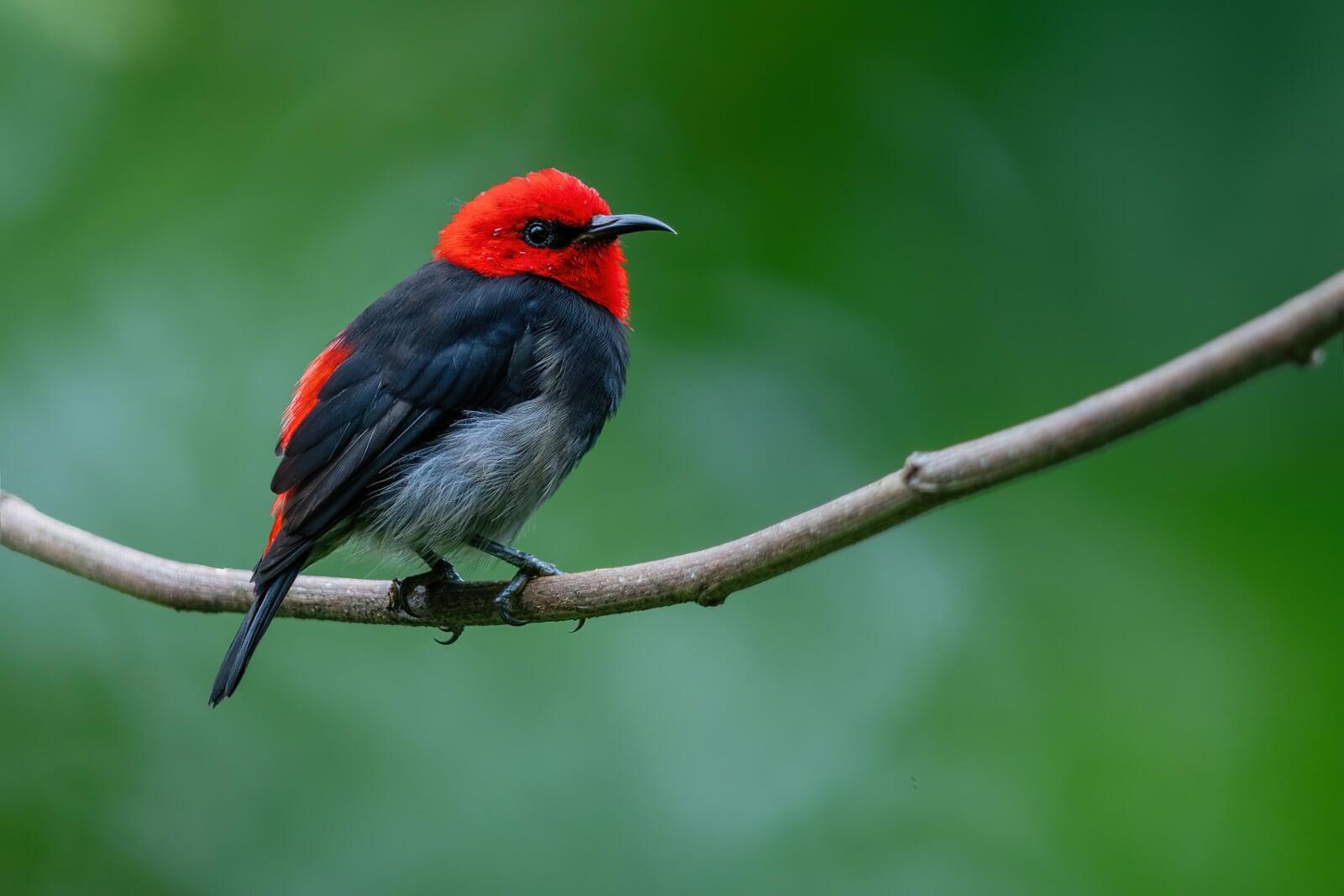
Sumba - Trip Report

06.12.25 04:31 PM By John Harrison

Sumba Myzomela
Sumba Myzomela

Recently I published a trip report about birding for a few days in Timor. This was part a trip that involved travelling to both West Timor and Sumba in Indonesia. This blog post covers the Sumba part of the trip. See this previous post for the Timor part.

3 November - Waingapu

We landed in Waingapu at 4:30 PM and drove through town and open grassy country to the first site. The target was Sumba Buttonquail. The grass was about 50 cm high in the most fruitful spots, and though we flushed periodically birds at close range, the thermal (a mid-range hikmicro LYNX LH15) was nearly useless - the ground was dotted with sun-heated rocks - creating a lot of visual noise. At one point after sunset I was walking very slowly scanning through the long grass with the thermal, thought I heard a faint buttonquail-like vocalisation and then flushed two birds - I couldn't see them from two meters away even with the thermal. 

In hindsight I think a better tactic would be to attend the site early morning or late at night after rain in the hopes that the environmental temperatures had become much more uniform and then that the birds might stick out temperature wise. Spotting birds by sight was very difficult too. I also tried playing some recordings of closely related buttonquails in the best spots, but there were no responses to this.
Sumba Buttonquail Habitat

After giving up on the buttonquail we made our way to Lewa where we stayed in a homestay.

4 November - Langgaliru

The next morning was spent birding near the village of Langgaliru. The traffic was pretty light so it wasn't too unpleasant. Initially we focussed on the roadside. Initially it was foggy enough to make good photos impossible But before long the sun was out and it cleared. This netted decent photos of Sumba Flowerpecker and Yellow-spectacled Heleia and some record shots of other species. 
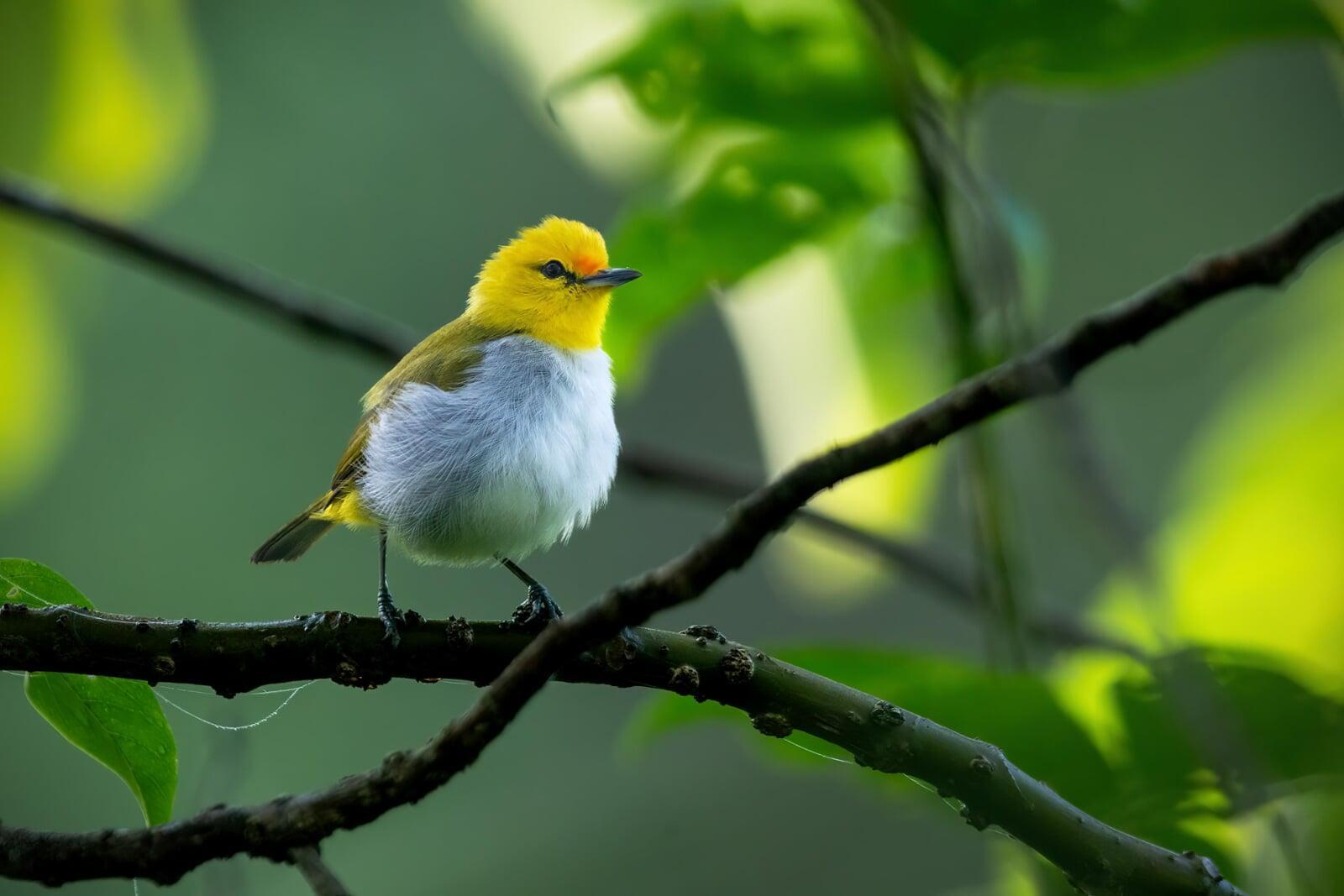
Yellow-spectacled Heleia roadside.

Once the sun was too high we drove down the hill to a hairpin bend and walked a short way into the forest. Several Elegant Pitta were calling in this area, and we were able to see Sumba Jungle Flycatcher as well. I spent a few hours attempting to photograph the pitta here and got a passable photo through vegetation, but ultimately I wanted to do better so would try again in later days. It was challenging because of a thick understory consistent with secondary forest.

The author playing dress ups during the pitta chase!

In the evening it was time to focus on nocturnal birds. Daris had sites for both birds and both were photographed pretty easily for this reason. The usual method was used to photograph them - observe and line things up in the dark with the thermal with Daris holding my flash attached to a BeamMount Pro with a small torch mounted and turned on a few moments before one or two low power flash pops.
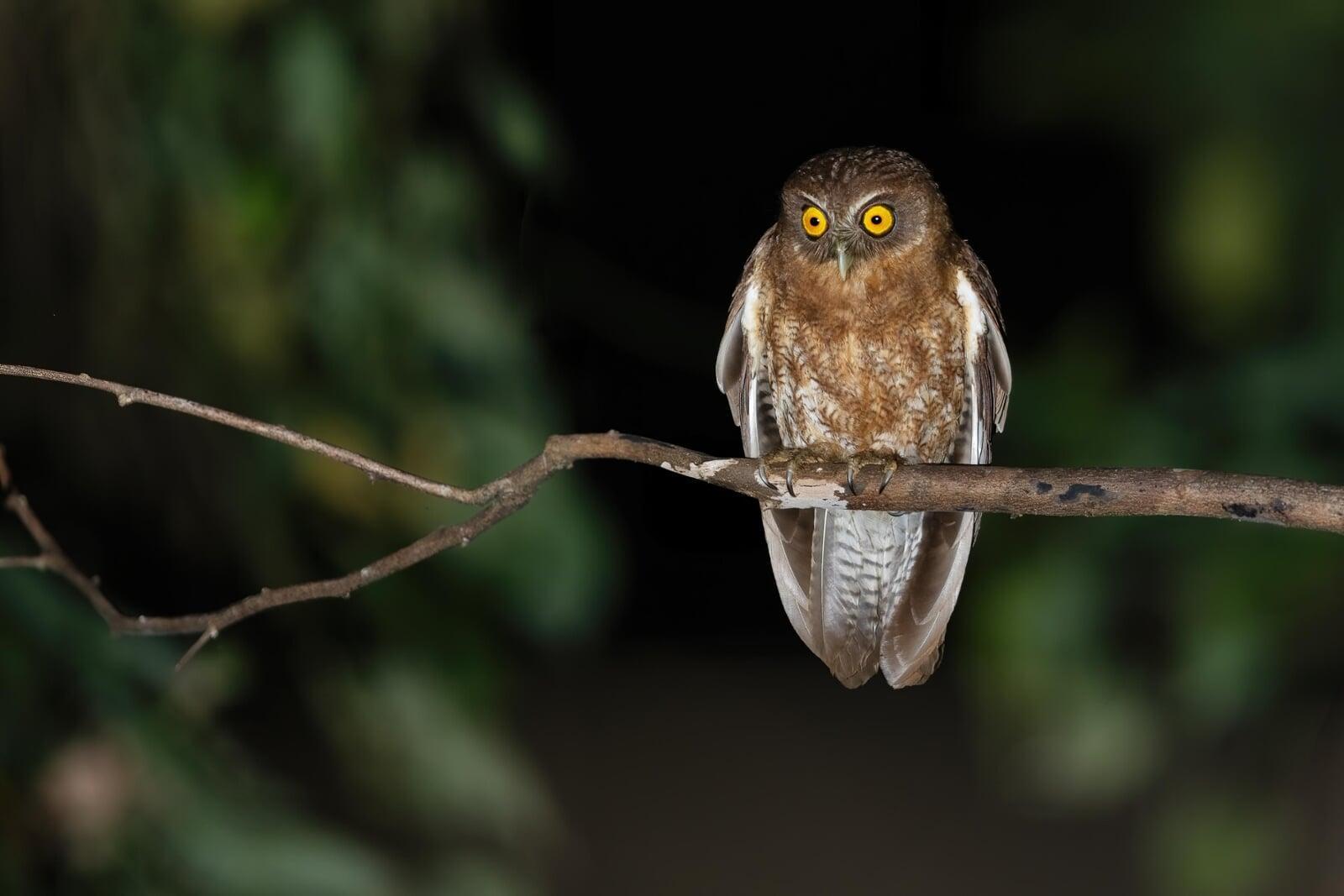
An endangered Least Boobook. We got it first try thanks to local knowledge. It is meant to be relatively rare and difficult to locate, however. First formally described in 2002.

5 November - Taman Nasional Manupeu Tanah Daru
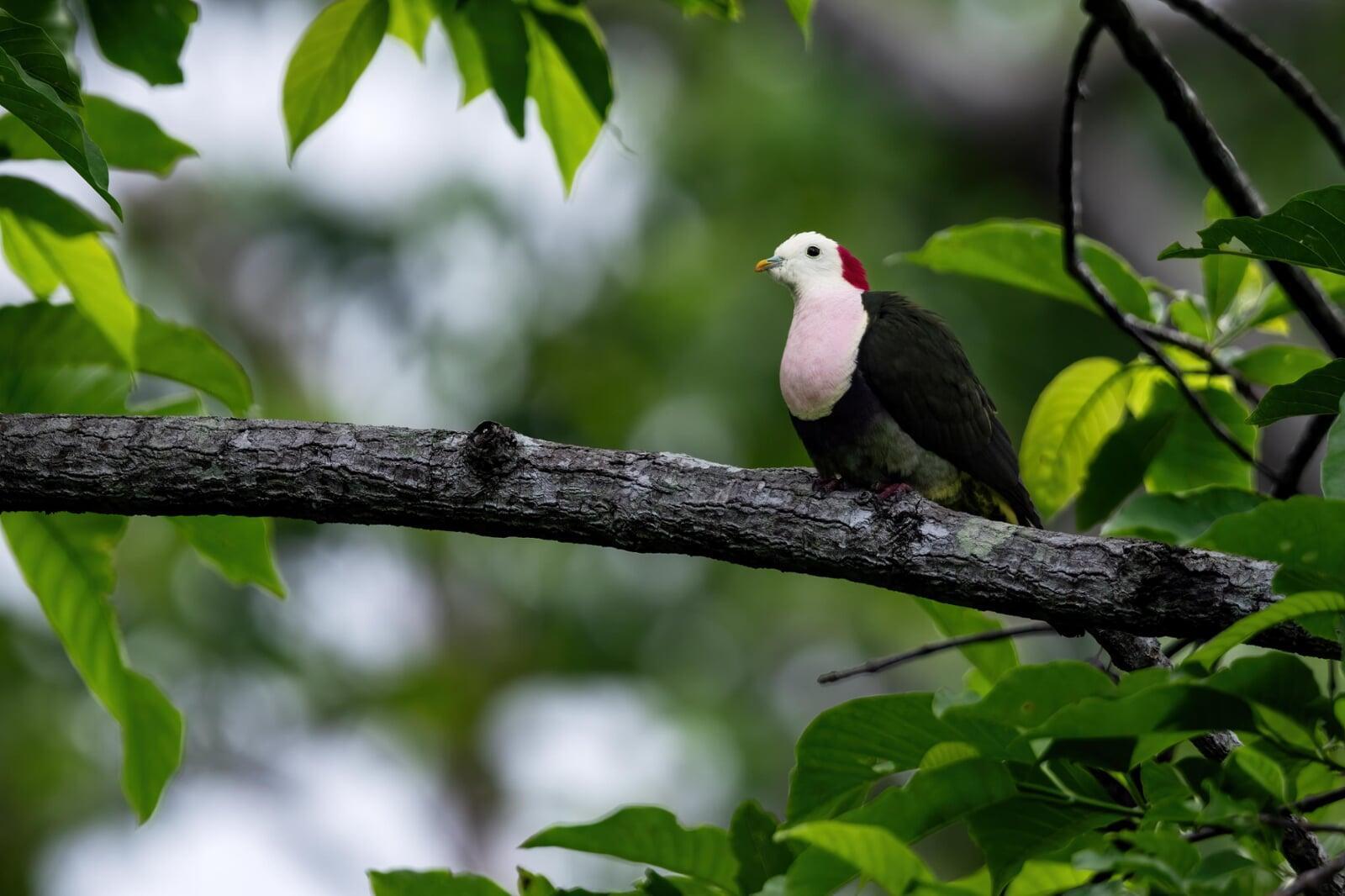
This day we headed a bit further west relative to the day before focussing on Tanah Daru National Park. We started the day roadside, trying for Sumba Green-Pigeon, Red-naped Fruit-dove and Black-naped Fruit-Dove with modest success.
One of the Red-naped Fruit Dove photographed during the trip. A Sumba Endemic.

 By about 9am we moved on and I put in more effort for the Elegant Pitta  and Chestnut-backed thrush. I succeeded with the Pitta basically by very carefully stalking two calling birds in two locations and got something passable for the thrush.
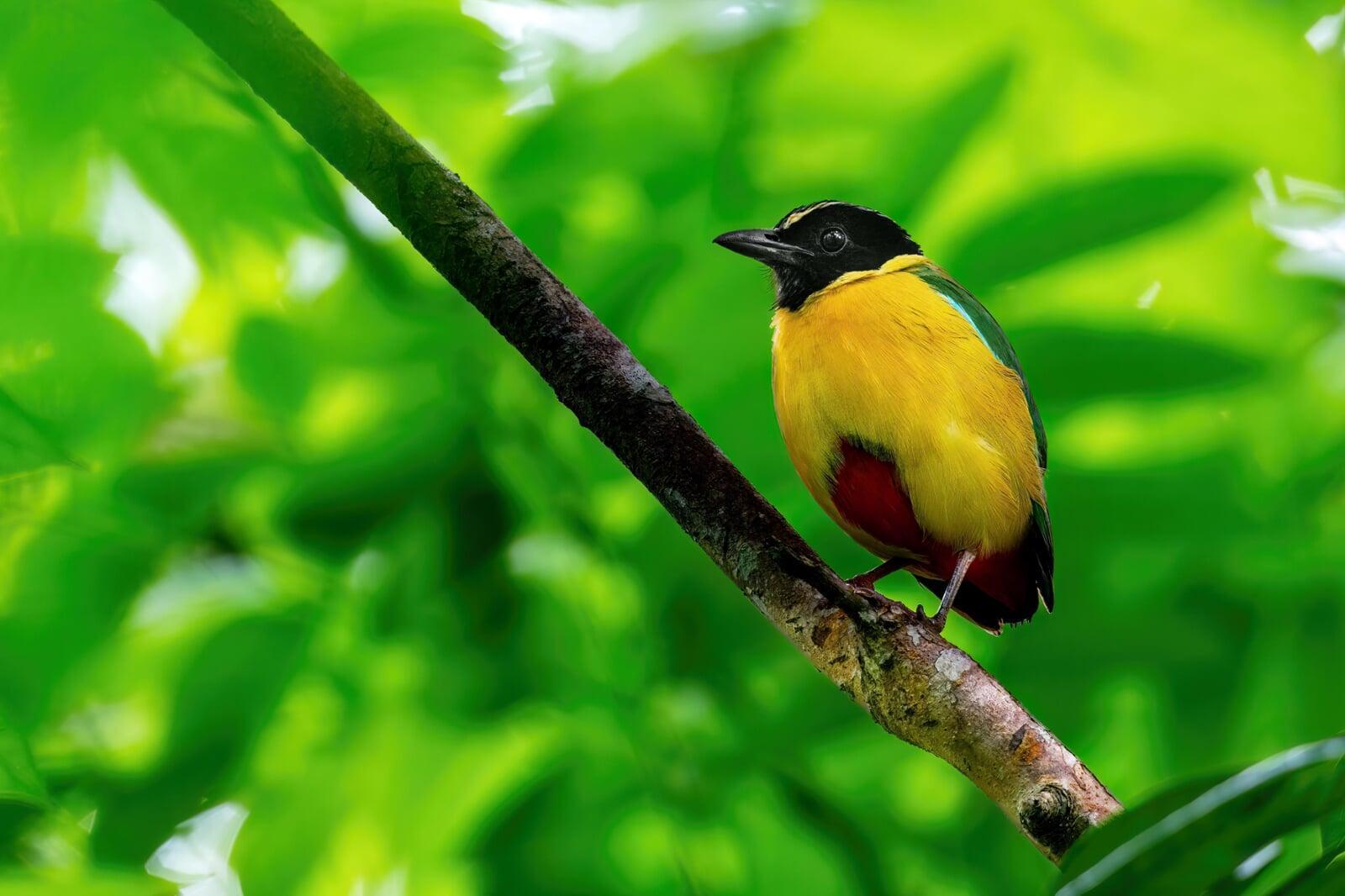
Elegant Pitta. Overall it felt closer to Noisy Pitta than the Ornate Pitta in Lombok did. Even the call was similar.
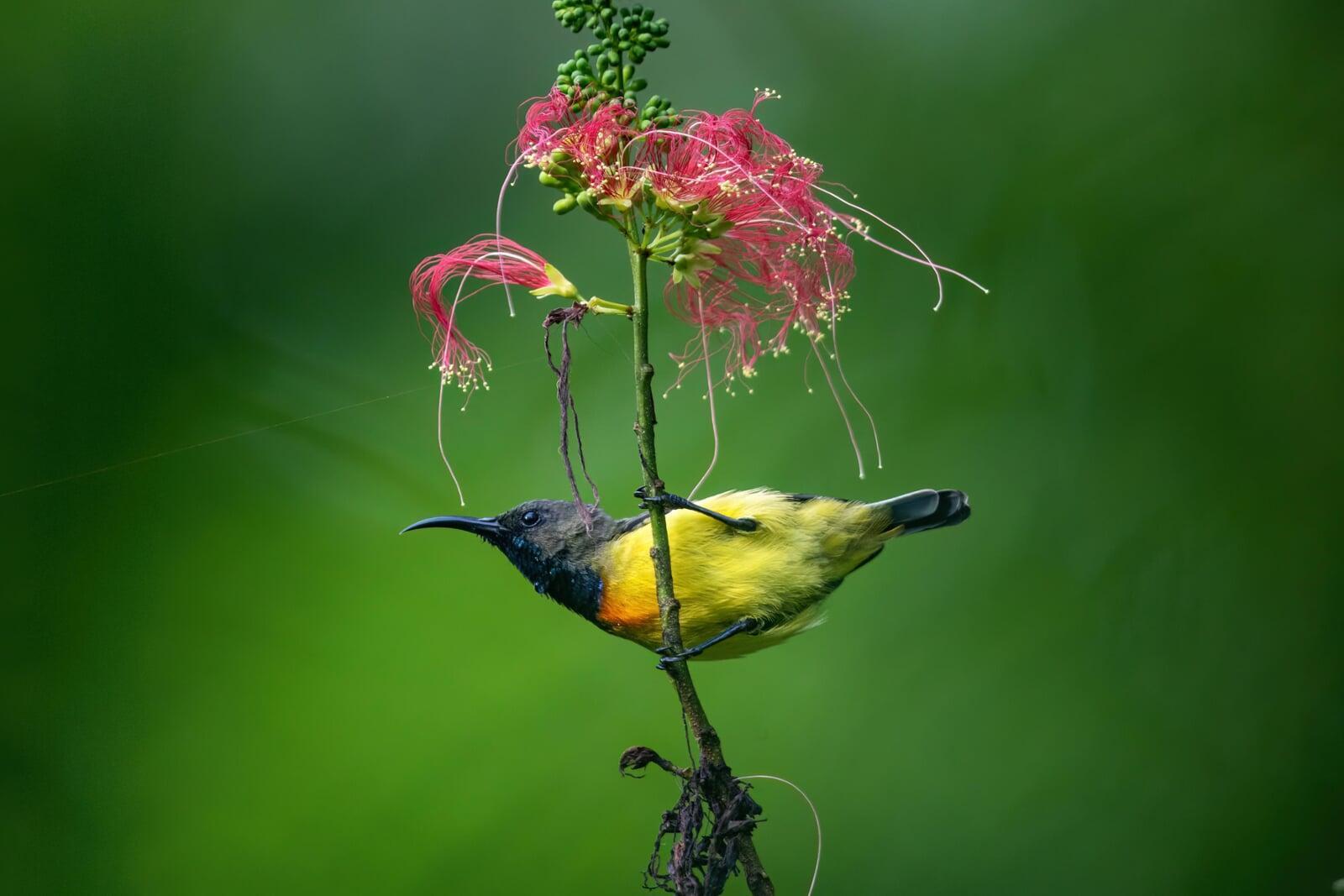
We finished the daylight back near Umbu Ratu Nggay on the side of the road. The focus here was some roadside flowering shrubs. They were periodically attracting very cooperative Sumba Myzomela and Apricot-breasted Sunbird. White-eyes and Broad-billed Flycatchers also moved through occasionally and some Marigold Lorikeet were present up in the taller trees.
Apricot-breasted Sunbird, a Sumba endemic

That night we did a little more nocturnal birding. I didn't bother with a checklist on eBird, but mostly we just saw more Sumba Boobook.
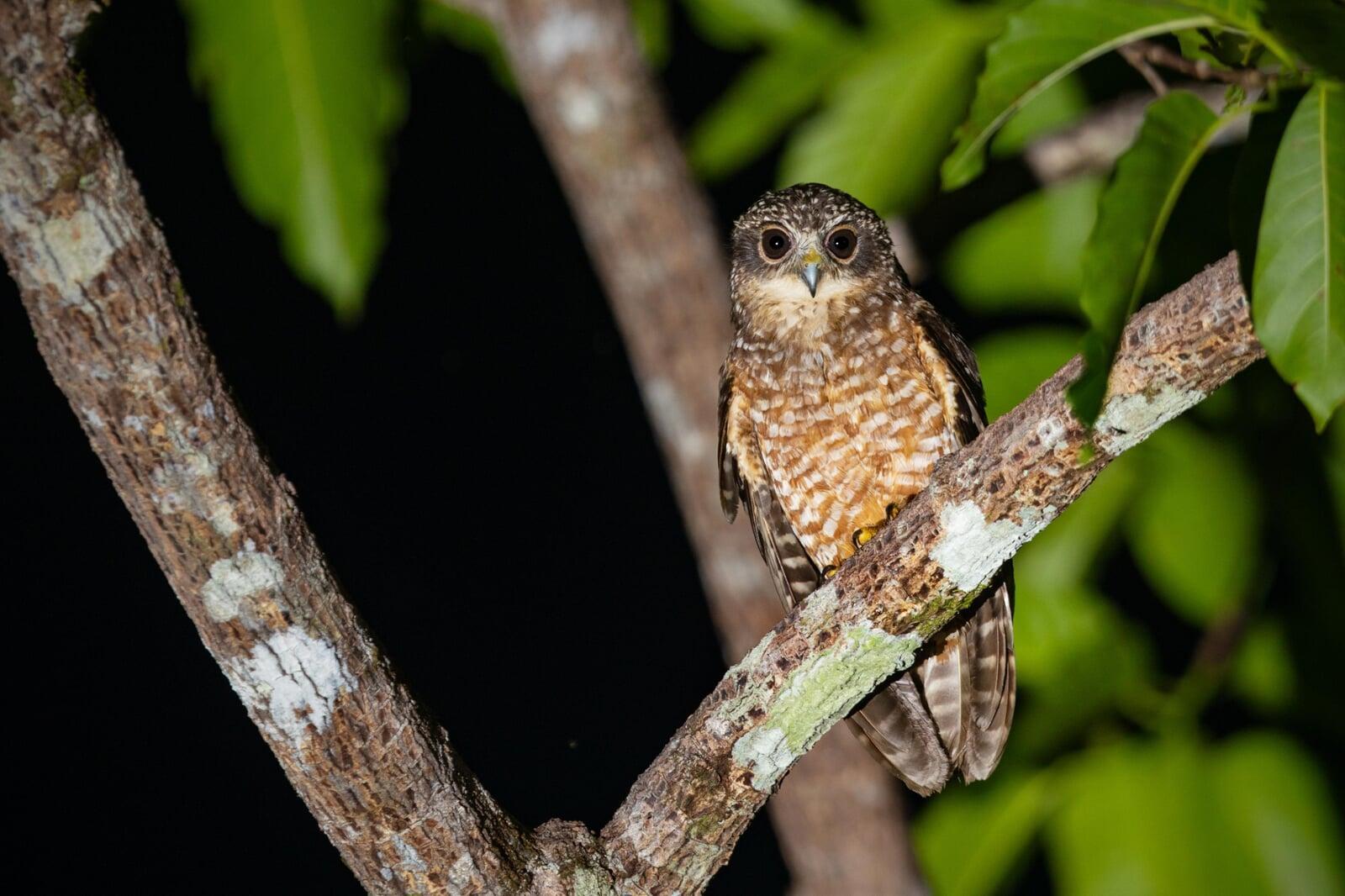
Sunda Boobook - from a previous night for illustration purposes

6 November - Manurara and Manupeu Tanah Daru National Park
At Manurara we positioned ourselves on a grassy hilltop overlooking forest, hoping for Sumba Hornbill or Citron-crested Cockatoo to pass near enough for photography. Both species appeared but remained distant. The ridge was open, so you could see a long way, and probably a perfect spot to sit with a scope, but the morning didn't really yield many photographs. 

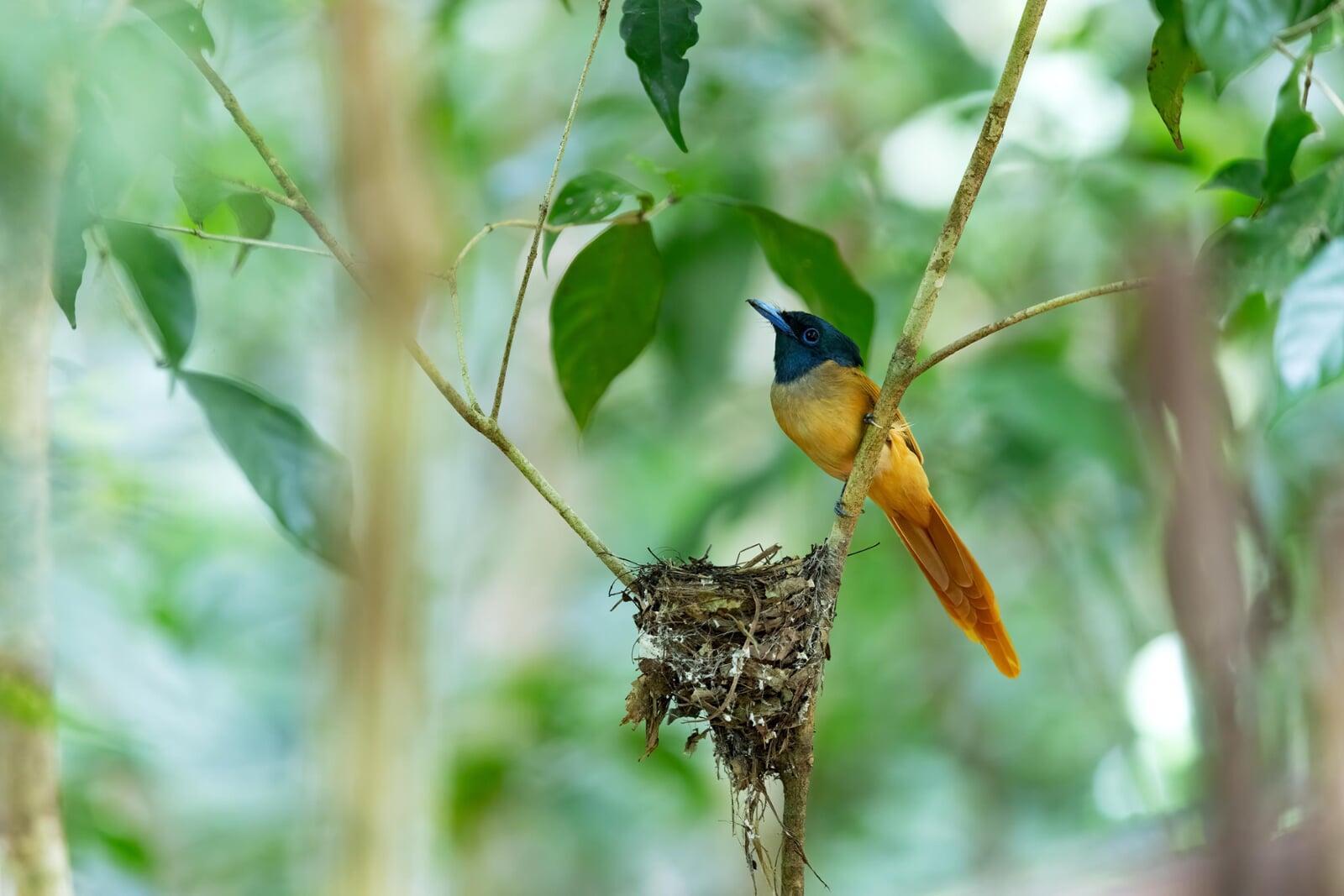
In the afternoon we moved into Manupeu Tanah Daru National Park. Here there was a nesting Tenggara Paradise-Flycatcher at a fairly busy trailhead. We waited in the car park nearby hoping for a visit from the male but didn't have any luck with that!
The female Tenggara Paradise-Flycatcher

In the afternoon we headed to a top secret site where I was told there would be a tree with Eclectus Parrot nesting in the hollow. To get there we walked about 20 minutes through new slash-and-burn agriculture to find a solitary large tree with a number of hollows. Short-tailed Starling occupied some of these and there were some visits from Citron-crested Cockatoo. More slashing was going on on the next hillside and there was fresh smoke, so I had pretty mixed feelings about the whole affair about staking out what felt like the one tree left behind. We didn't see the Eclectus, and we did see some Short-tailed Starling checking out the same hollow without an argument. So I think perhaps it had finished using it for the year. At least I got a flyover the day before!
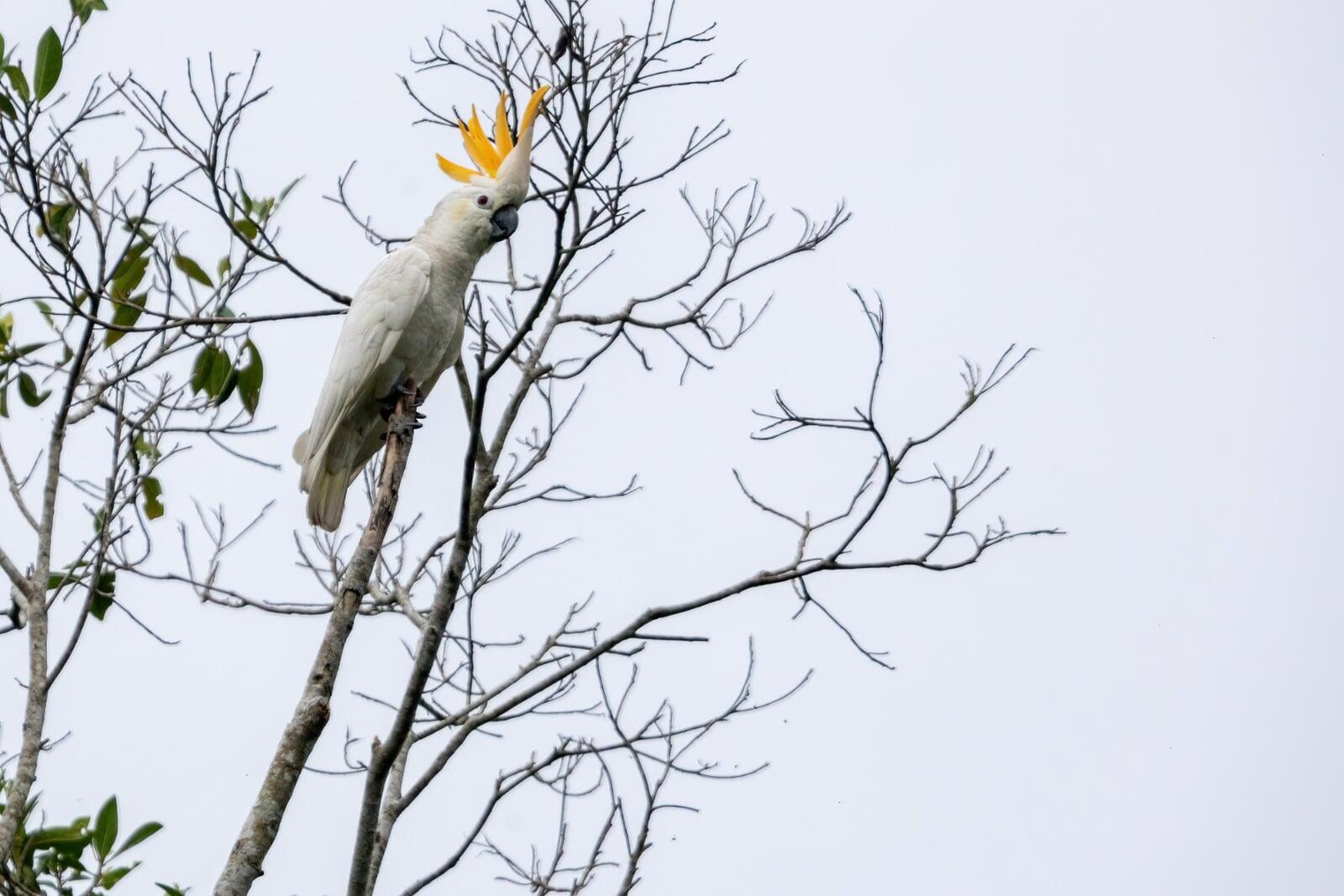
Citron-crested Cockatoo. Critically Endangered due to habitat loss and direct persecution - apparently they like to eat the corn crops.

7 November - Final Birding: Umbu Ratu Nggay, Yumbo Bridge, Pandawai

We returned to Umbu Ratu Nggay at dawn for one more attempt at Sumba Green Pigeon, a species that had remained photographically difficult.


Some rice paddies Pandawai in the late afternoon produced large flocks of Pale-headed MuniaScaly-breasted Munia with a few Five-colored Munia, moving between feeding on rice paddies and some trees nearby. We got permission to stake them out in the field, but a local was semi-active chasing them off his crop which didn't help!

Afterward we revisited the buttonquail site (Yumbo Bridge). With the sun already up, the rocks were warm again, and thermal detection remained ineffective. The sandflies were really active this time, but I had covered up better so just got a few bites on the backs of my hands. This was really the end of the trip. The next morning was an early flight back to Denpasar and eventually home.


If you'd like a species list or more location detail then see the eBird trip report (which covers Timor as well). 

John Harrison

TalonFab

Items have been added to cart.
One or more items could not be added to cart due to certain restrictions.
Added to cart
Your cart has item(s).
- Can't add this product to the cart now. Please try again later.
Quantity updated
- An error occurred. Please try again later.
Deleted from cart
- Can't delete this product from the cart at the moment. Please try again later.